Your grandparents are carrying around years of stories, and a curious kid with one good question can open the whole thing up. Grandparents Day is Sunday, September 13. Here are 5 ways to help your kid come away with a story worth keeping.
Aim the questions at their teenage years
Memory researchers keep finding the same thing: people hold onto their teens and twenties with unusual clarity. There's a name for it, the reminiscence bump, and it's one of the most reliable patterns in memory research. Try pointing your kid's questions at that stretch of a grandparent's life and the stories come back with more detail.
Music is also one of the fastest ways in. In a recent study, the songs people named as their most nostalgic had mostly come out while they were teenagers, and other research puts the peak right around age 14. So work out the year grandma or grandpa turned 14, build a short playlist from it, and let it run in the background while your kid asks questions.
Questions that work in this window:
What did you do the summer you turned 16?
Who was your best friend in high school, and what did you two get up to?
What was your first job, and what did you spend the money on?
What music did you love when you were my age?
Put something in their hands
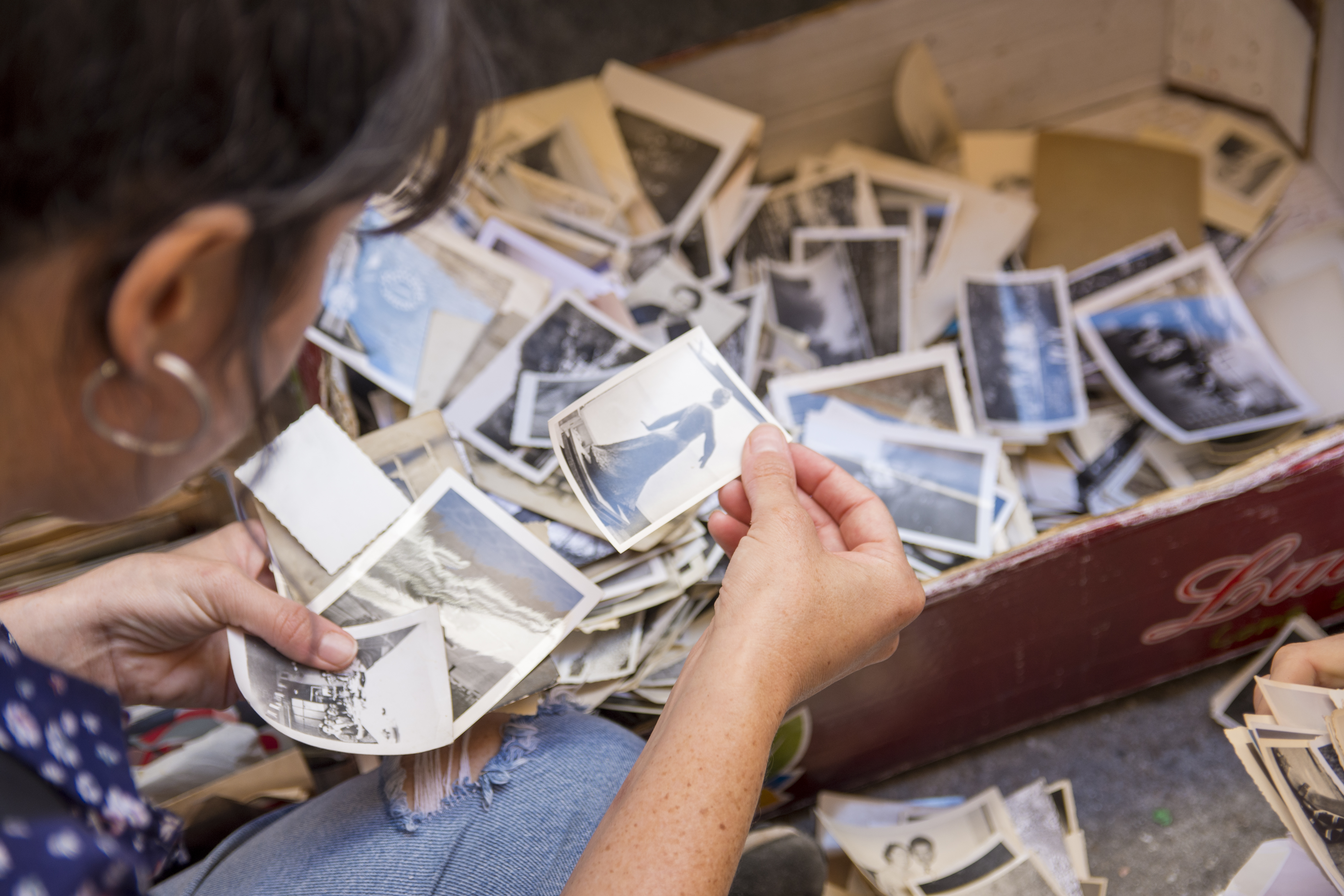
Objects give a memory somewhere to land, and they give your kid an easy starting point. A photo album, a recipe card in someone's handwriting, a tool from the garage, a hat they've kept for 40 years. Set two or three items on the table before you start and let your kid pick one up.
Interestingly, smell reaches a different decade entirely. When researchers gave older adults things to sniff, the memories that surfaced came mostly from before age 10, while photos and words brought back the teenage years. That makes a spice jar a shortcut to childhood stories your kid would otherwise never hear about.
Things to try:
A photo from before they were parents
A spice from their kitchen, or a bar of soap in an old-fashioned scent
A song from the year they turned 14
A map, and a question about the farthest they ever traveled
Give your kid a job title
Pick one and hand it over: reporter, family historian, documentary director. Give a kid a role and they'll run with it. The title does real work here, turning the whole thing into a project your kid owns.
Set them up in five minutes:
Pick three questions together beforehand and write them on an index card
Show them how to start a voice memo on your phone
Sit them close enough that the phone picks up both voices
Let them run the conversation while you stay out of it
Save the audio file somewhere safe when you're done. A folder in your phone’s photo library or on your computer works, and the file gets more valuable every year it sits there.
Teach one follow-up question
Give your kid one question to keep in their back pocket: "And then what happened?" It works on any answer, and it's usually the one that turns a fact into a full story. Kids catch on fast and start using it on their own.
Two more worth teaching, once they've got the first one down:
"What did that feel like?"
"Who else was there?"
There's one more trick, and it's the hardest one for adults: let the quiet sit. Grandparents may pause partway through a memory while they reach for the next detail. Kids are usually happy to wait, which is exactly the right instinct.
Match the questions to your kid's age
Ages 3-5 do best with favorites and yes-or-no questions. Did you have a pet? What was its name? What was your favorite food when you were little? Keep it to 10 minutes and let them wander off when they're done.
Ages 6-9 love firsts and funniest. What's the most trouble you ever got into? What was your first bike like? What did you want to be when you grew up? This age will happily ask the same question three times, which is fine, because the third answer is often the best one.
Ages 10-14 can handle the real ones. What's a decision you'd make differently? What scared you at my age? What did you think your life would look like at 30? Older kids can also handle a two-part interview, one this weekend and one at the holidays, which gives them time to think of better questions.

Somewhere in your family there's a story only one person still knows
This weekend is a good excuse to go find it. Pick one tip from this list, spend 20 minutes on it, and you'll have something your family keeps.
Want to keep going? Try our 5 handmade gifts for grandparents, or animate one of the stories your kid collects with our stop-motion movie DIY.
Tell us in the comments: which question worked best, and what story came out of it?