Few things beat a brand-new pack of markers and a backpack that still zips without a fight. The start of a school year has a real sparkle to it. It also comes with a bit of first-week chaos while sleep schedules and morning timing sort themselves out. A few simple habits, set up before the first bell, smooth out that stretch for the whole house. Here are the ones that hold up across ages.
Shift the sleep schedule early
Summer bedtimes love to creep later. In the week or two before school, nudge bedtime and wake-up a little earlier every couple of days, around 15 minutes at a time. Kids adjust more easily in small steps, and you skip the rough Monday where nobody can find their shoes. Morning light helps too, so throw open the curtains and let daylight do some of the waking for you. By the first day, their bodies are already halfway used to the new schedule.
Build the routine together
A morning routine sticks better when kids help make it. List the steps with them: get dressed, eat, teeth, backpack, shoes. Draw it or print it, then post it where they'll actually look. There's a reason this works. The CDC's parenting guidance notes that steady routines help kids know what's coming next, which lowers stress and makes the day run smoother; that kind of predictability is exactly what the first weeks of school call for. Little kids love checking off pictures. Older kids usually want to run their own list without a hovering reminder, which is great practice for them and one less thing on your plate.
Give school stuff a home
Pick one spot by the door for backpacks, shoes, water bottles, and anything that travels to school. A hook, a bin, a shelf, whatever fits your space. When everything lives in one place, the morning treasure hunt gets a lot shorter. A quick reset each evening means the launch pad is loaded before anyone's fully awake. For tweens, hand this one off entirely. A phone alarm labeled "pack up" turns it into their job, not yours.
Set up a comfortable spot to work
Kids focus better with a consistent place to do homework and a few supplies within reach: pencils, paper, scissors, tape. Keep phones and tablets out of that zone during focus time. With older kids, a timer helps more than nagging does; try 20 minutes of work, then a real break. It doesn't need to be a fancy desk. The same corner of the kitchen table most days works just fine.
Make room for first-day feelings
Excitement and nerves like to show up together before a new year, and this goes for tweens as much as little ones. A younger kid might worry about missing you. An older one might stress about a new school, lockers, or who they'll sit with. Give them an easy opening: "What are you looking forward to, and what feels a little scary?" Naming a worry out loud usually lets some of the air out of it. Keep your own tone easy, since kids take their cue from you on whether something's a big deal.
Keep a little curiosity going
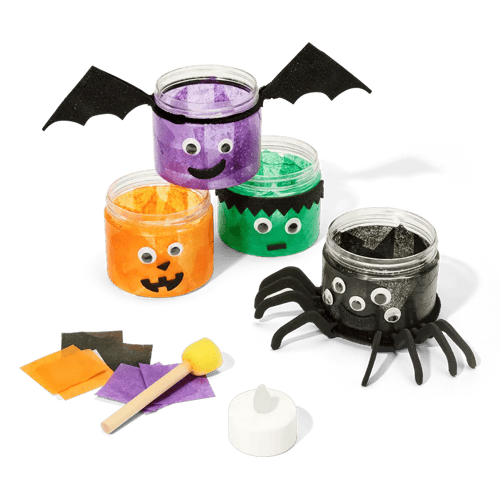
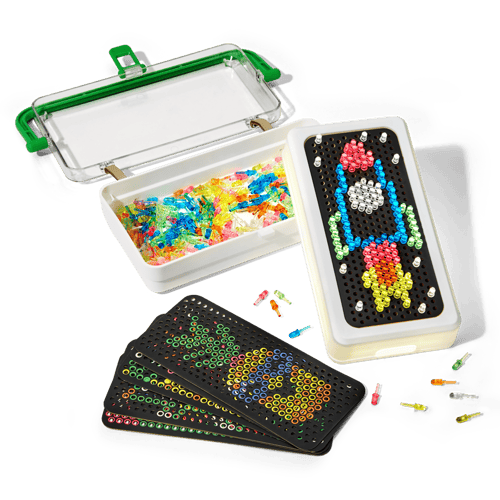
The jump from open summer days to a full school schedule is a big one. You can soften it by keeping one low-key creative thing in the mix. A weekend building project, a backyard experiment, a story they write and illustrate. It keeps their brain warmed up and reminds them that learning can be the fun kind, which is a nice note to carry into the classroom.
If the routine-building tip lands, KiwiCo has free printable morning and bedtime routine charts you can post on the fridge and let kids cross off. And for that last tip, a hands-on project is an easy, low-pressure way to keep curiosity going on a slow afternoon.
None of this has to be perfect by day one. Pick one or two habits, start them a little early, and let the rest fall into place as you go. Smoother mornings and calmer evenings add up fast, and the payoff is a kid who walks in on the first day feeling ready rather than rushed. You've got this.
What's the one back-to-school habit that saves your family every year? Drop it in the comments; some other tired parent will thank you for it.