
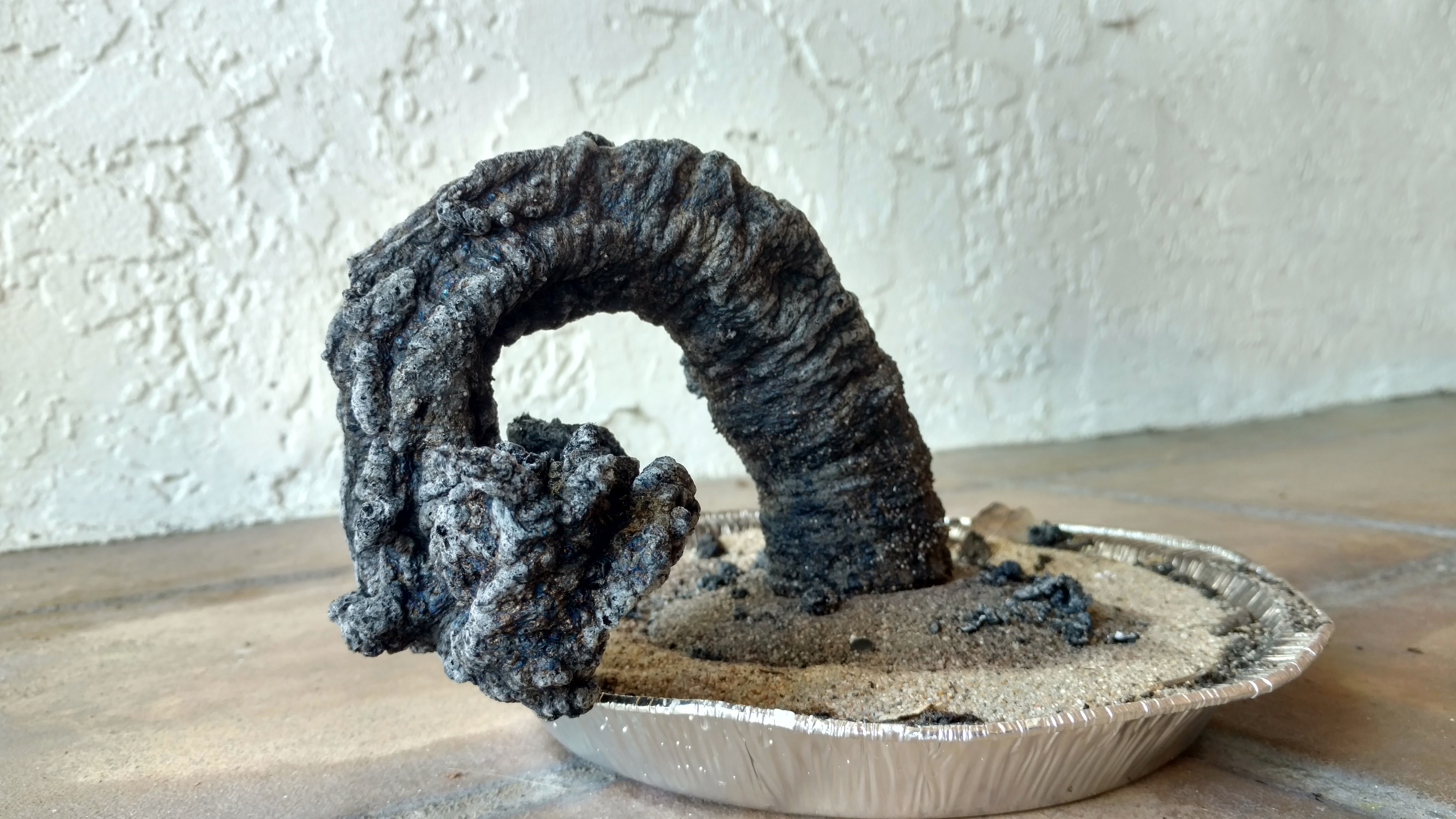
 Carbon Sugar Snake
(Ages 12-16)
Make a fiery black snake rise from the ground with this exciting experiment! Using simple household ingredients, learn how a burning mixture of baking soda and sugar can create a stunning carbon snake. Always be careful when conducting experiments involving fire. Be sure to only light the sand on a safe fireproof base in a well ventilated area. Keep water nearby as a precaution. Remember to tie back long hair and never leave flames unattended or unsupervised by an adult.
Want more slithery science adventures? Discover robotics by building your own Remote-Controlled Snake Robot from the KiwiCo Store!
Magnetic Slime (Ages 5-12)
This magnetic slime DIY turns glue and iron filings into a squishy blob that moves when a magnet gets close. Full materials list and video step-by-step instructions in the link.
Magic Vacuum (Ages 5-12)
Watch colored water climb into a jar on its own. This candle and air pressure DIY is a simple science trick kids can set up at home.
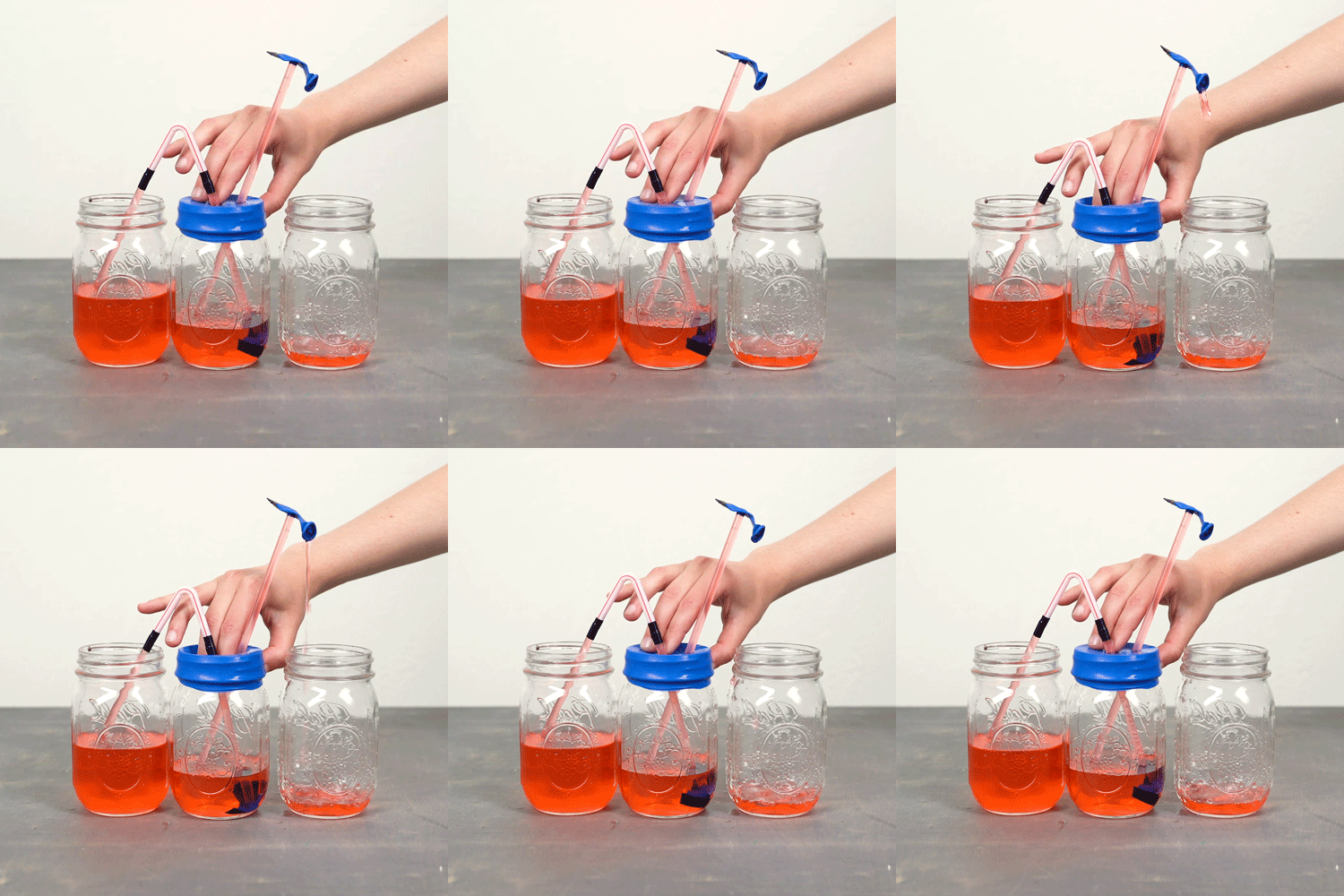 Pumping Heart
(Ages 9-16)
Curious about how your heart pumps blood? Use this model to learn about the right atrium and ventricle!
Discover more about the science of pressure with a Bottle Rocket kit from the KiwiCo Store! Assemble a launcher, rocket, funnel, and launch mixture to experience some extremely fizzy fun.
Spooky Magic Bottle (Ages 5-12)
Make a color-changing bottle for Halloween. This spooky science DIY shows the salting-out effect in action. Mix blue and yellow into green, add salt, and watch the colors pull apart into two layers.
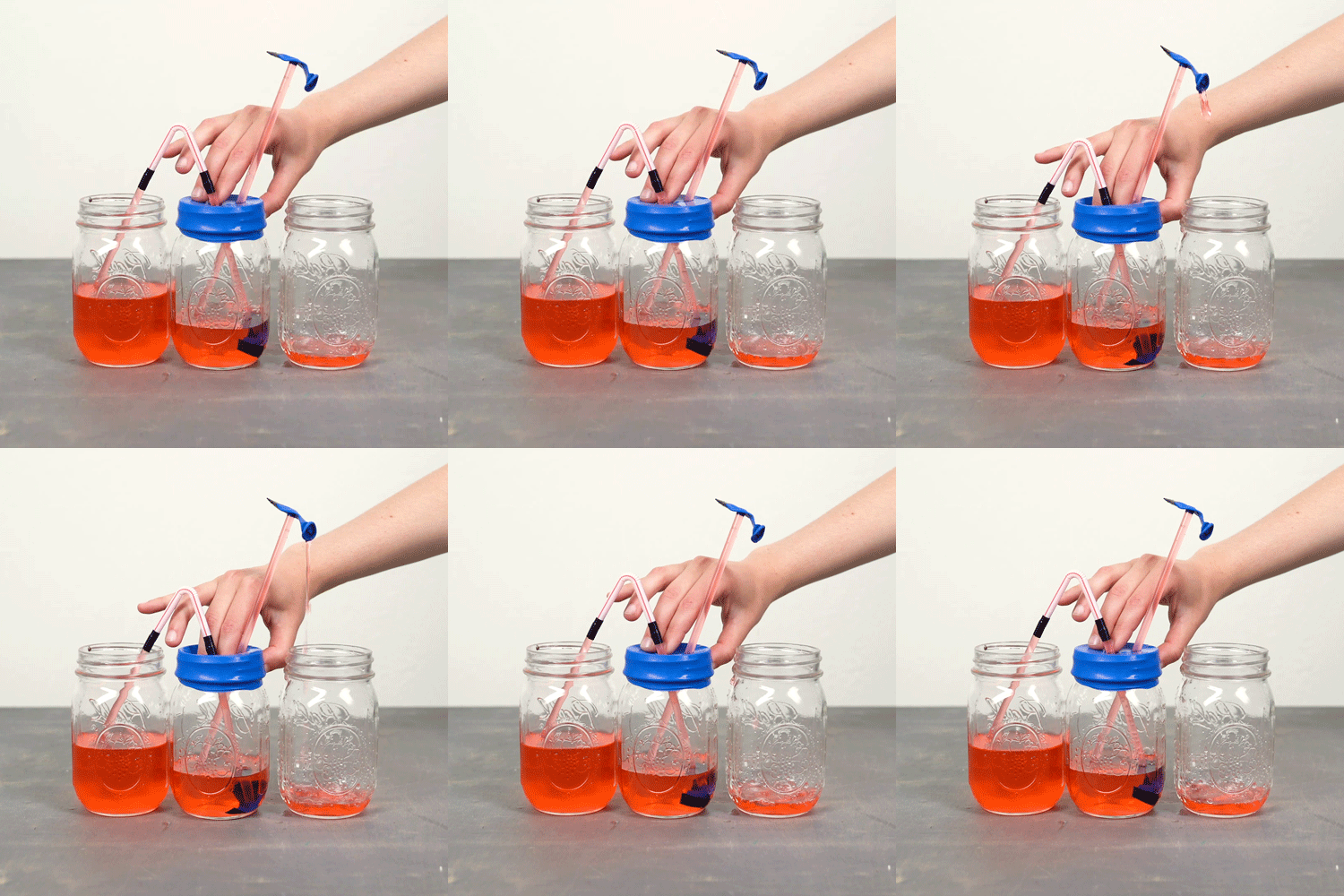
5 Mad Scientist Experiments You Can Do at Home
Ready to make something that looks impossible? These mad scientist experiments let kids grow a carbon snake out of sand, build a pumping heart model, give magnetic slime a mind of its own, make a magic vacuum that pulls water into a jar, and turn a color-changing bottle from green into two spooky layers. Most projects use things you probably already have at home. Best for ages 9 and up, with a grownup on hand for the experiments that use fire or acetone. The best part of these Halloween-themed experiments is that real chemistry, biology, and physics sit under every bit of the drama.