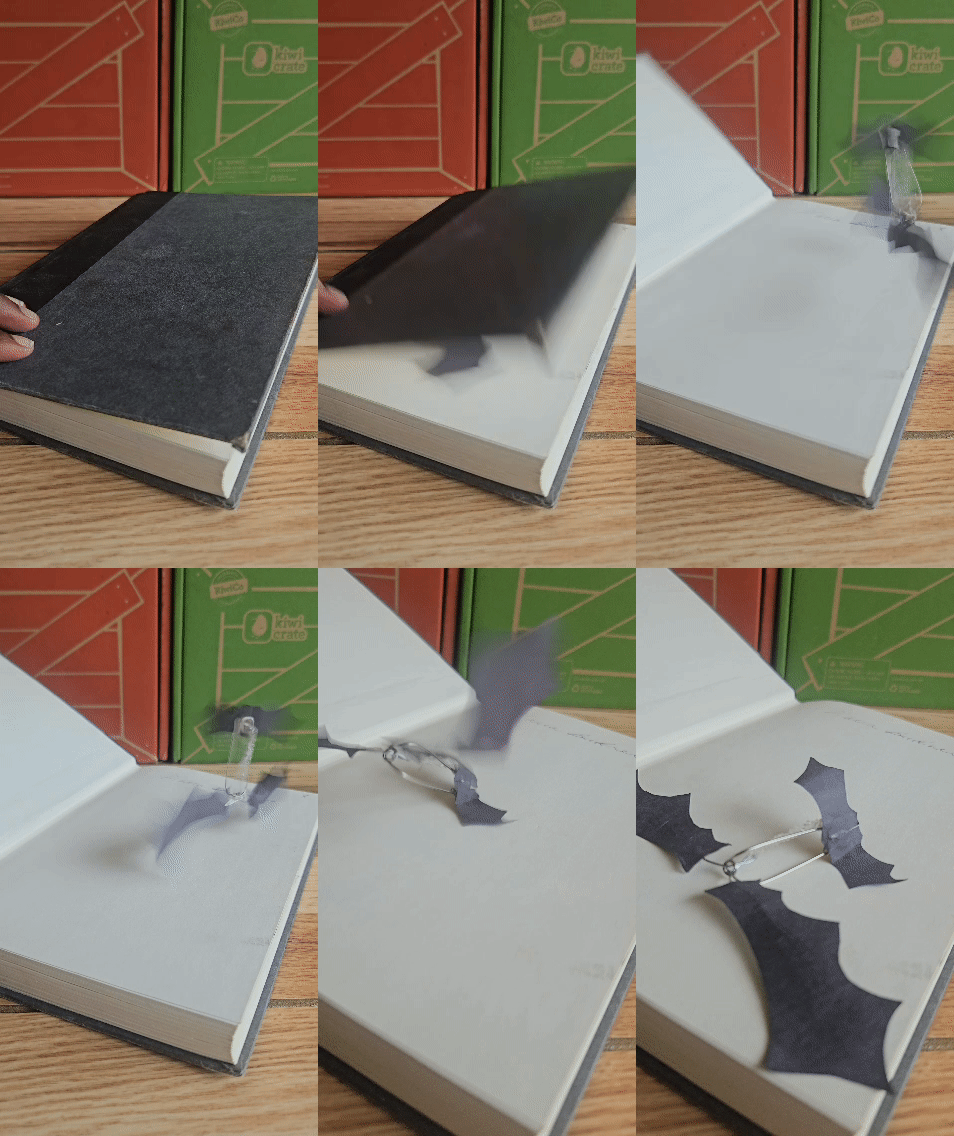
Step-by-step tutorial
Step 1
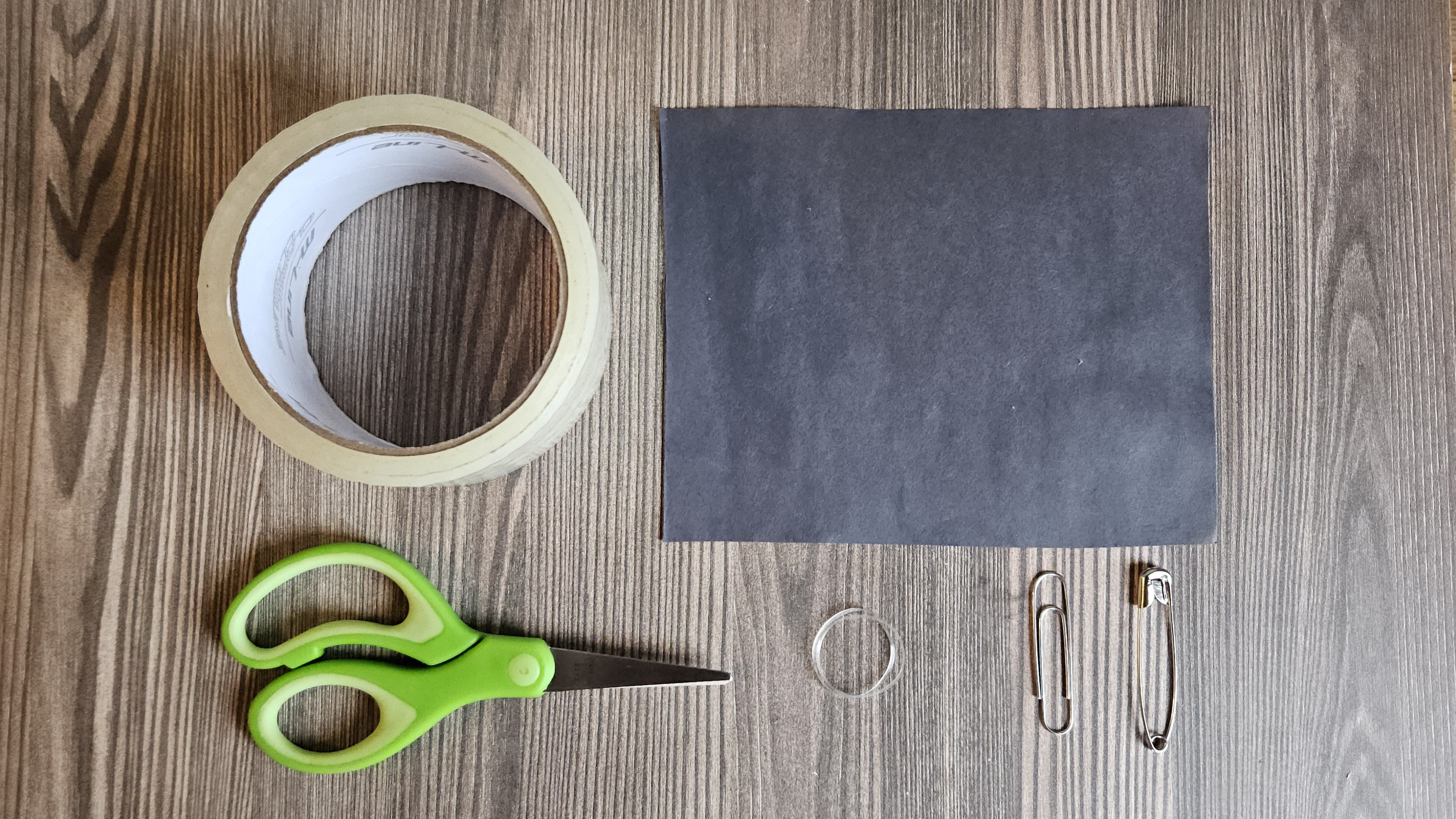
Gather your materials.

Step 2
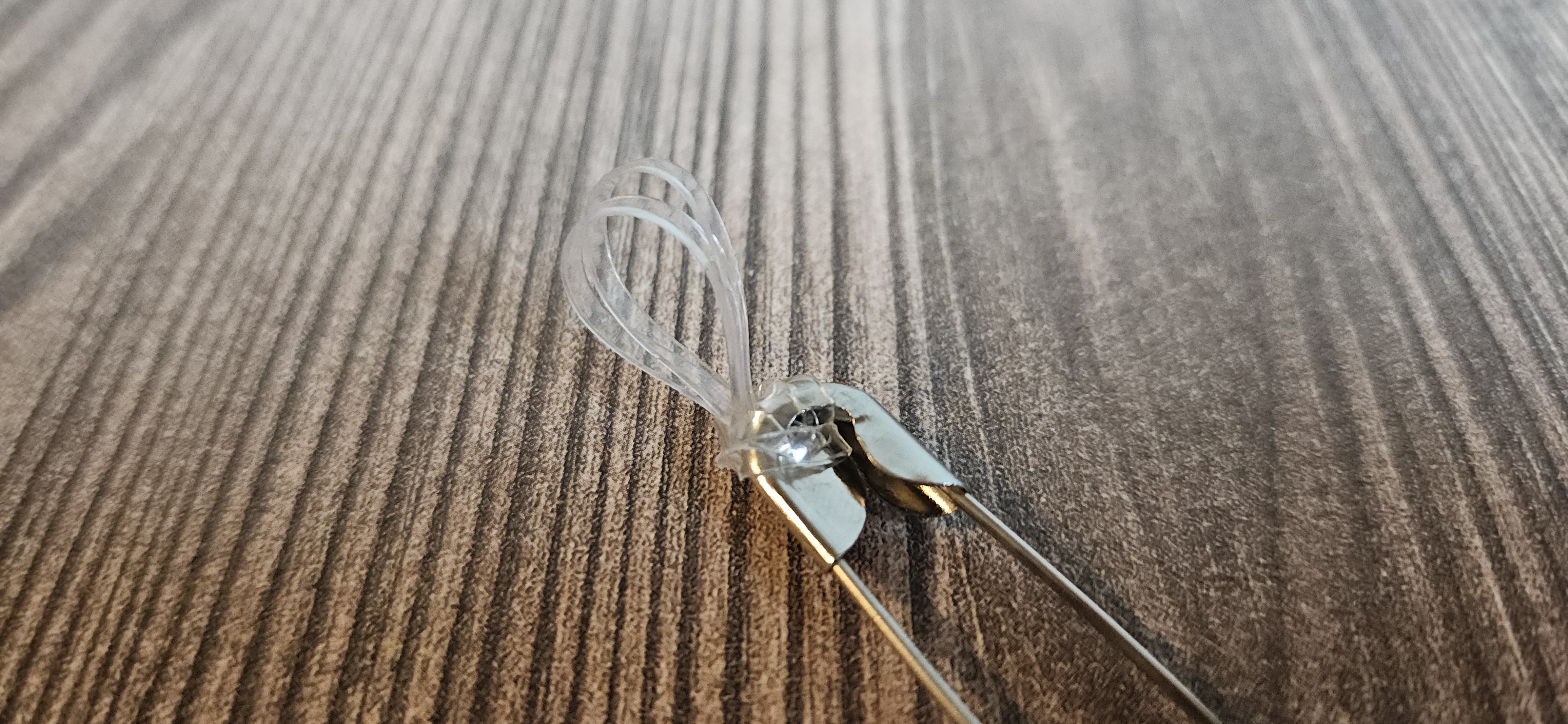
Loop and knot two small rubber bands on big end of a safety pin.
Step 3
Bend the other end of the safety pin.

Step 4
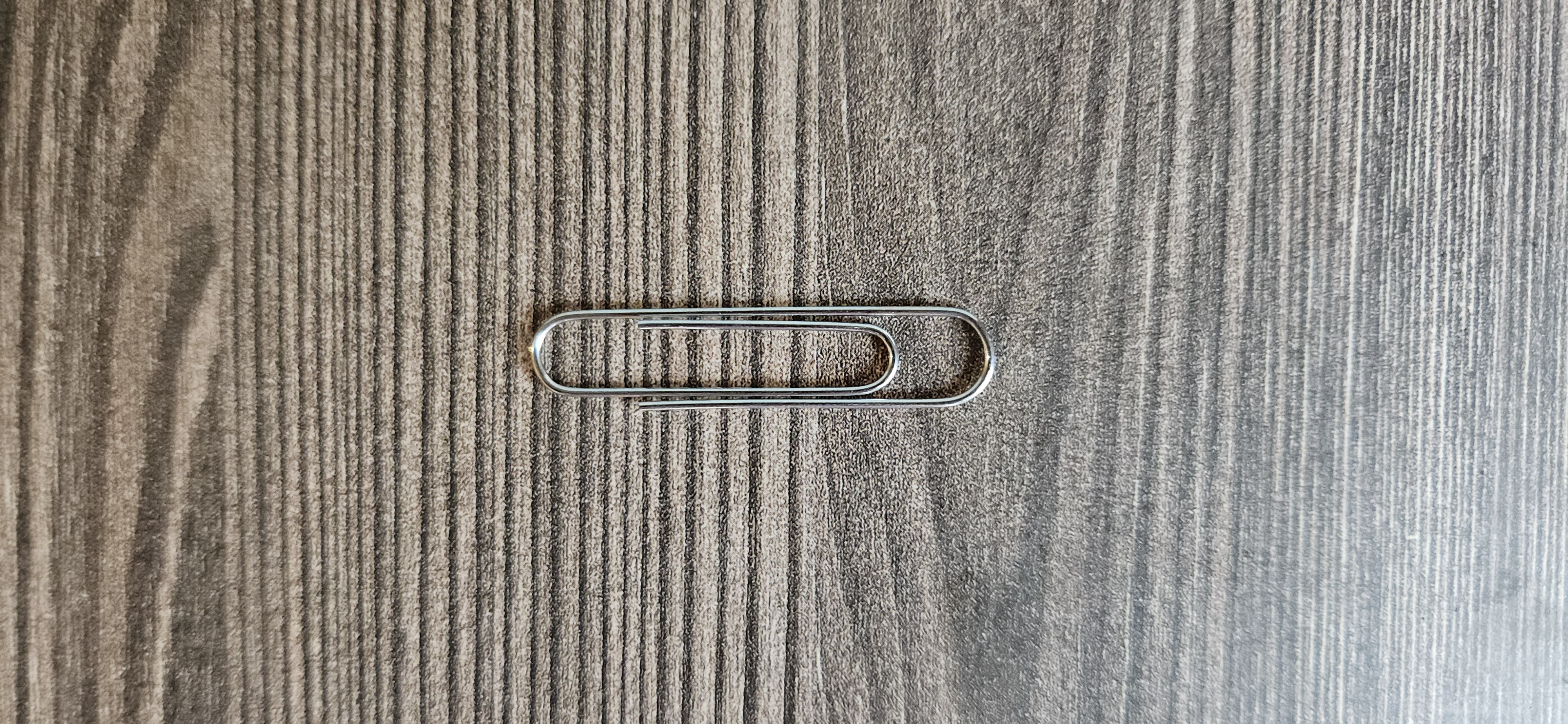
Straighten out a paper clip and make a loop.
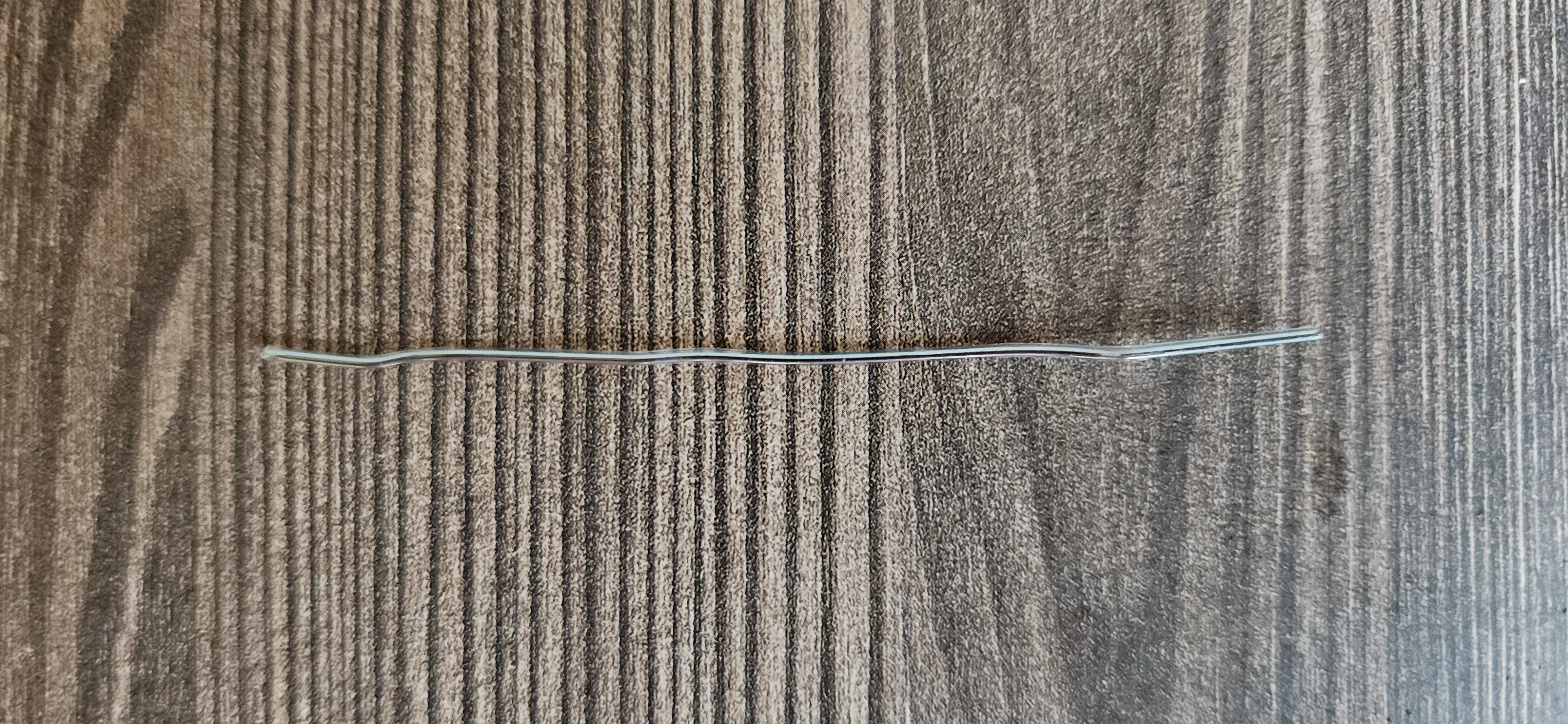
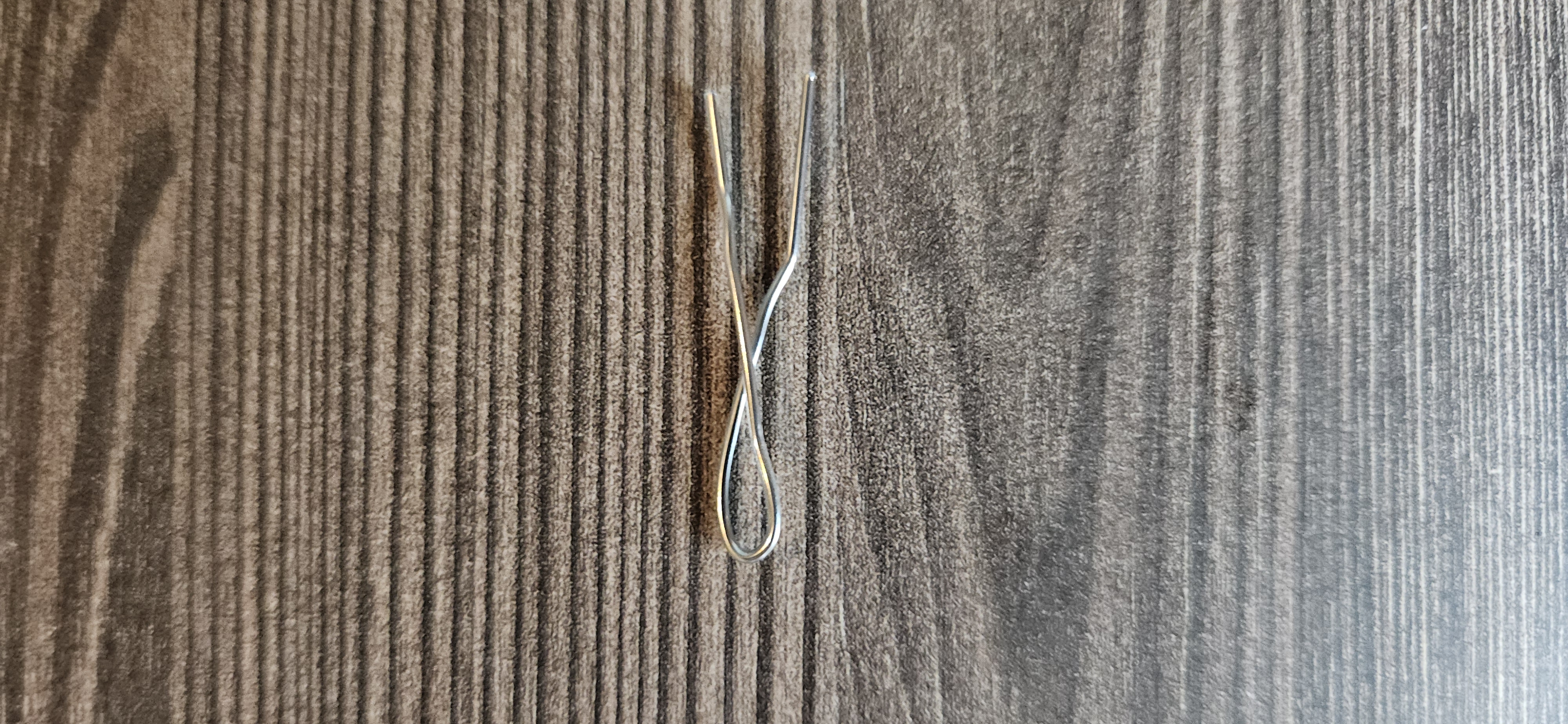
Step 5
Slip rubber bands into paper clip.
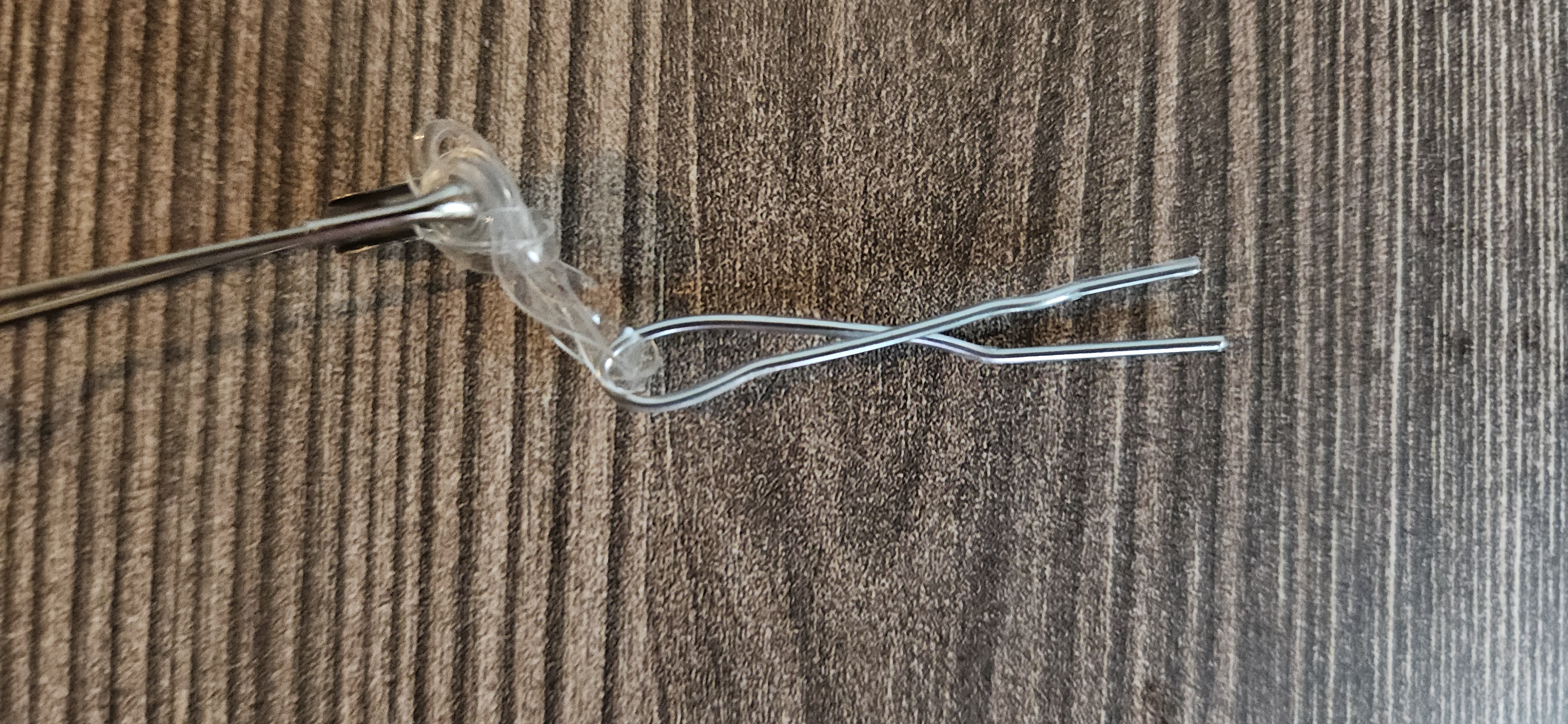
Step 6
Push clip ends through bent safety pin end.
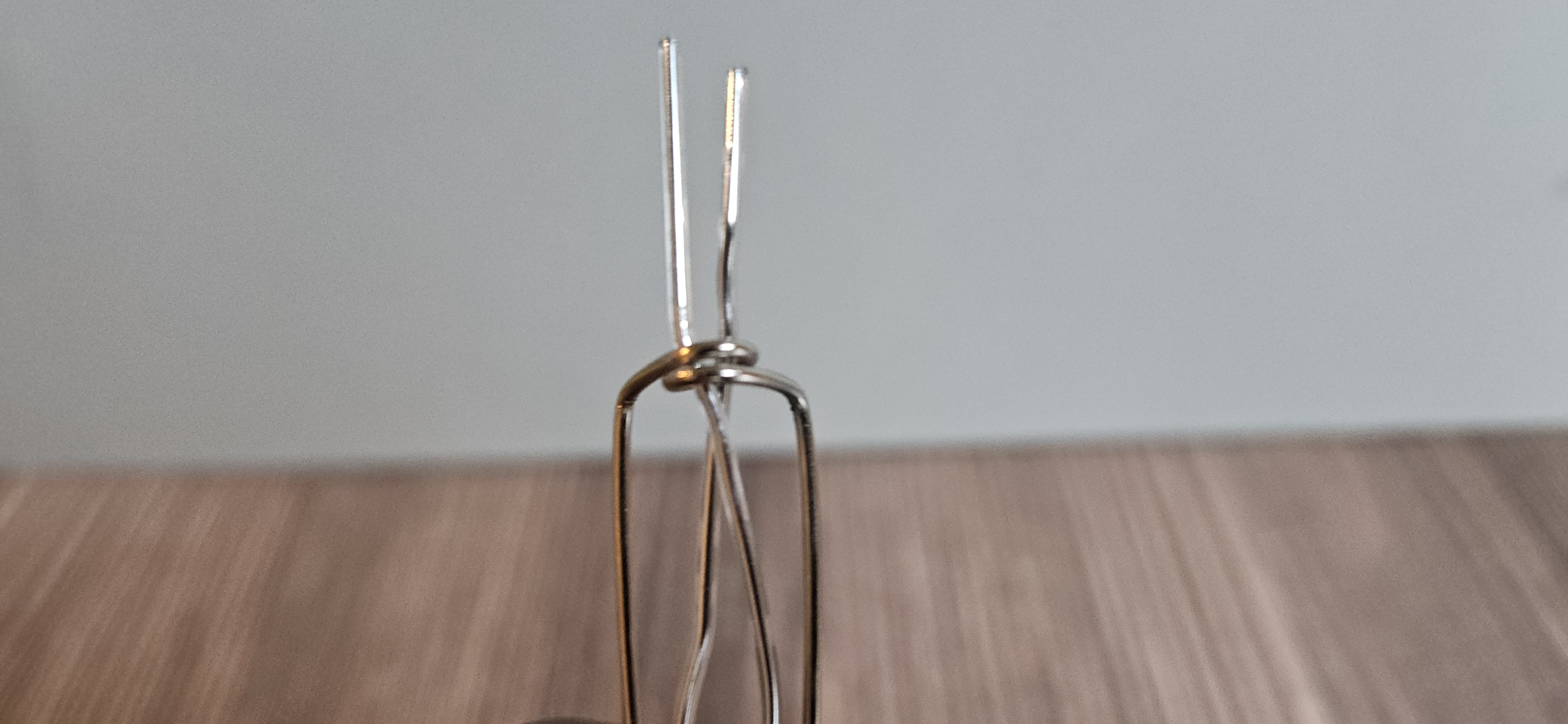
Step 7
Bend and split the paper clip ends.
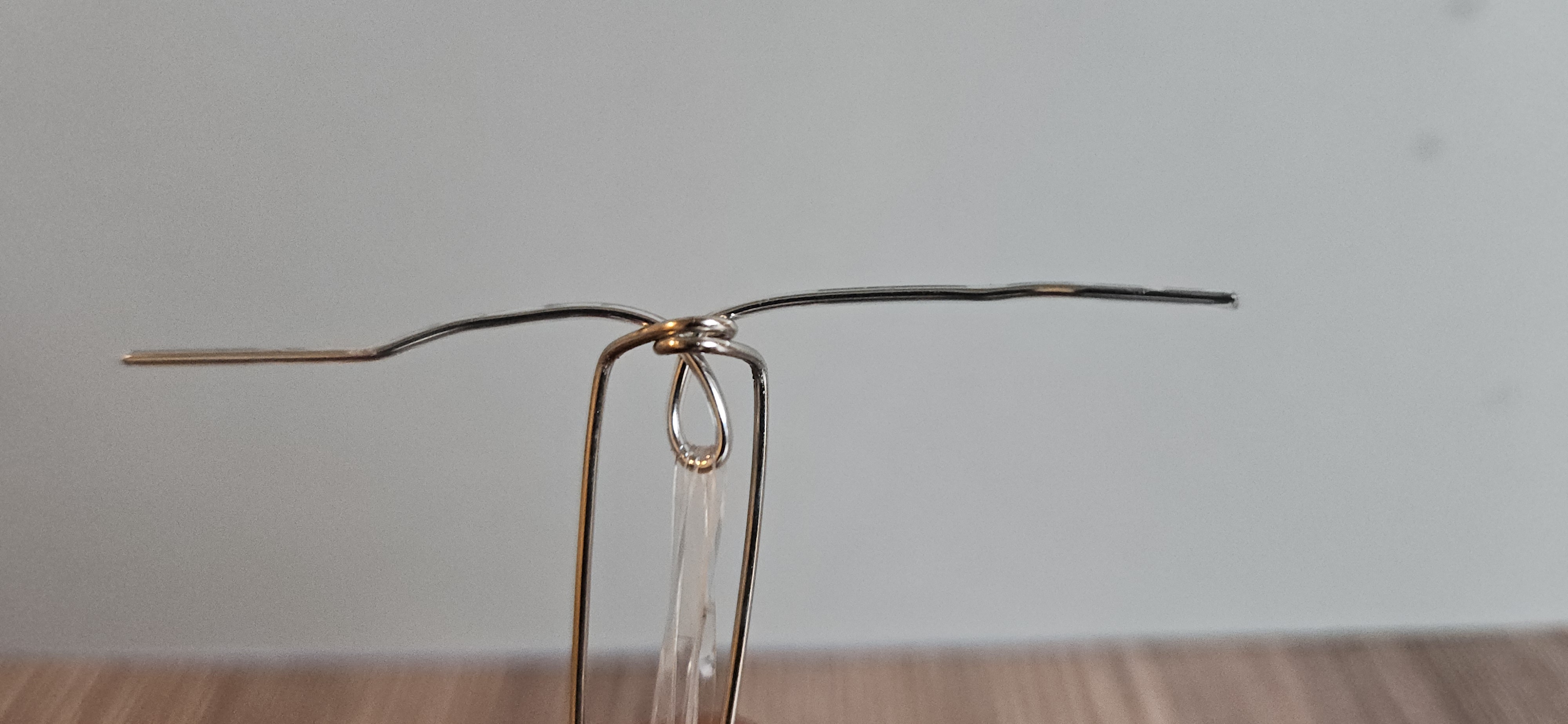
Step 8
Cut big and small bat wing shapes out of black paper.
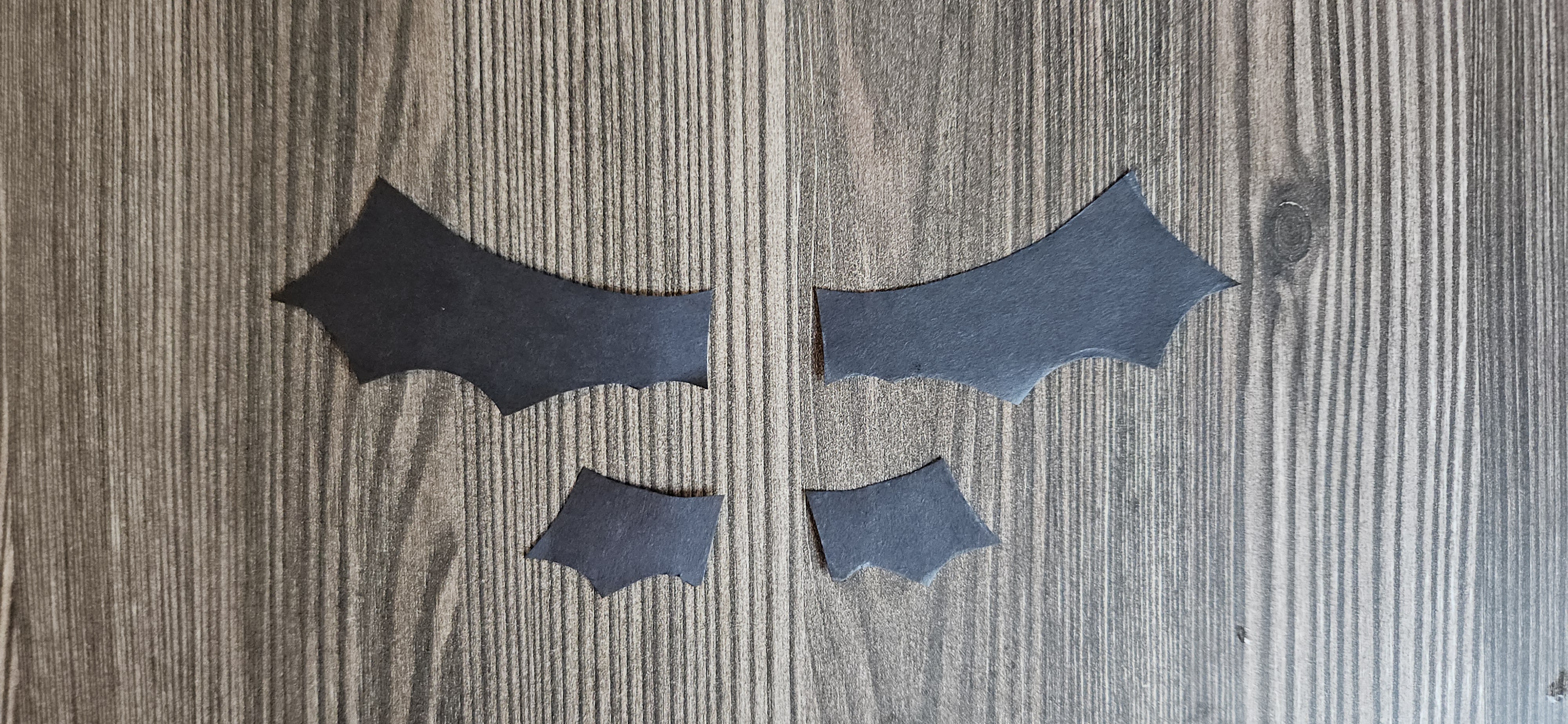
Step 9
Tape wings to the paper clip ends and the bottom of the safety pin.
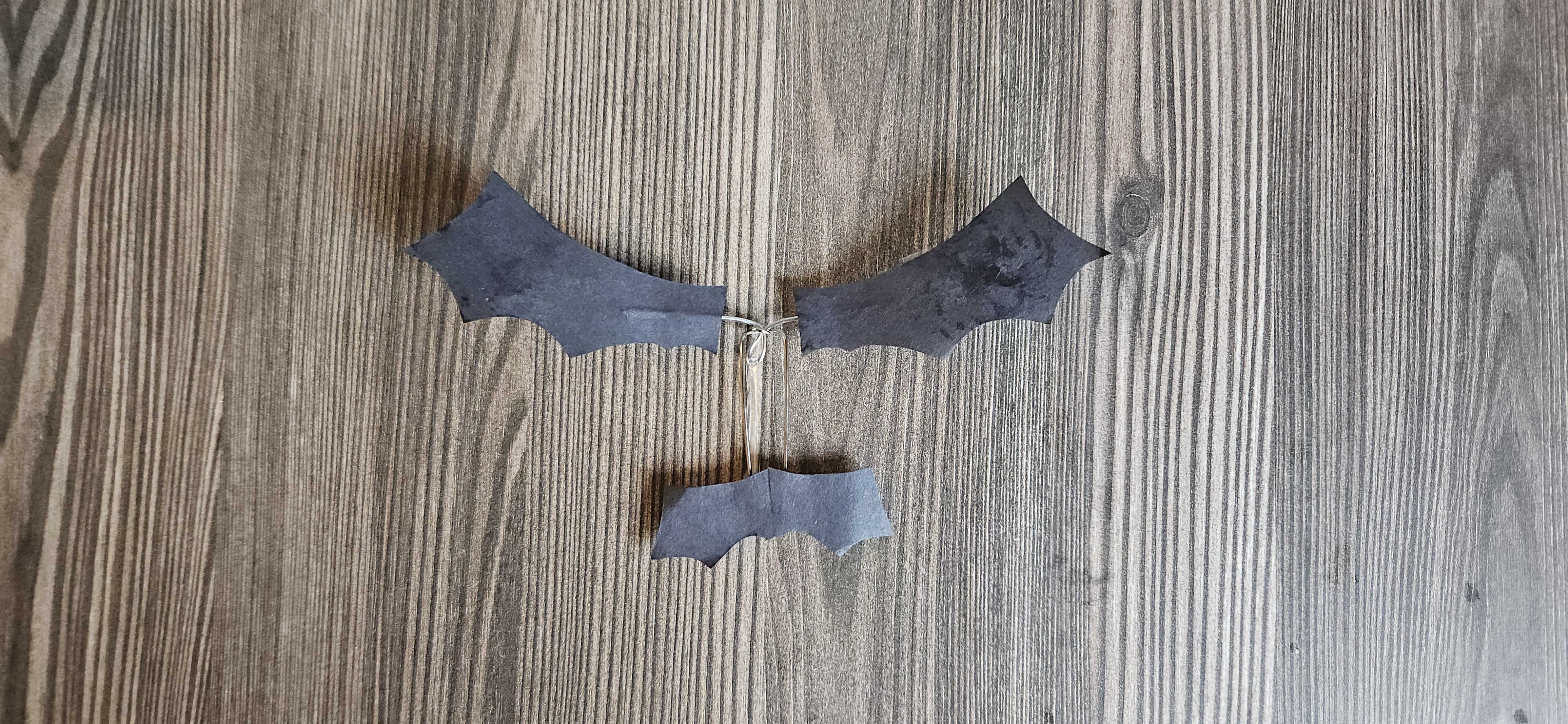
Step 10
Wind the wings around 30-40 times to tighten.
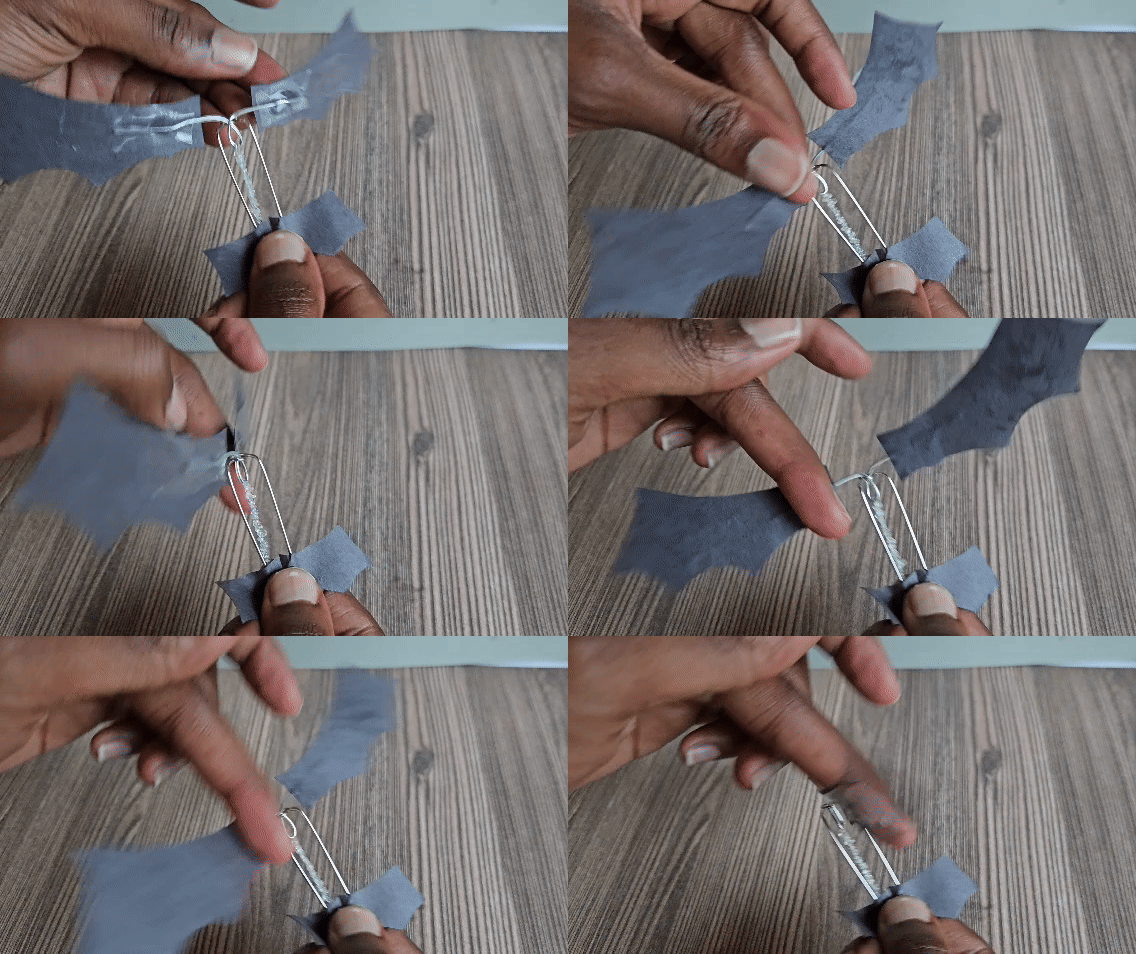
Step 11
Releasing the wings causes them to spin back around quickly.
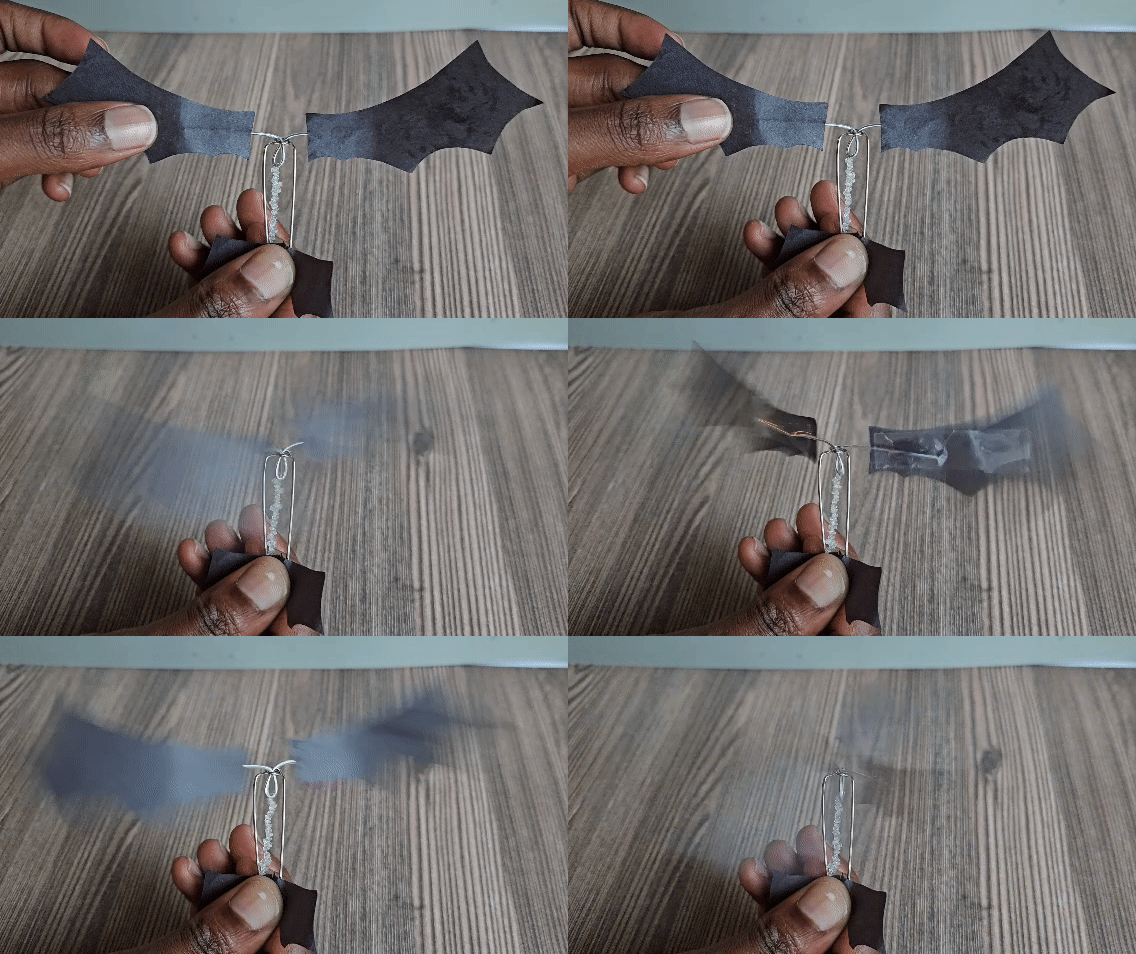
Step 12
Wind and release the wings on a surface to watch them jump and flutter.
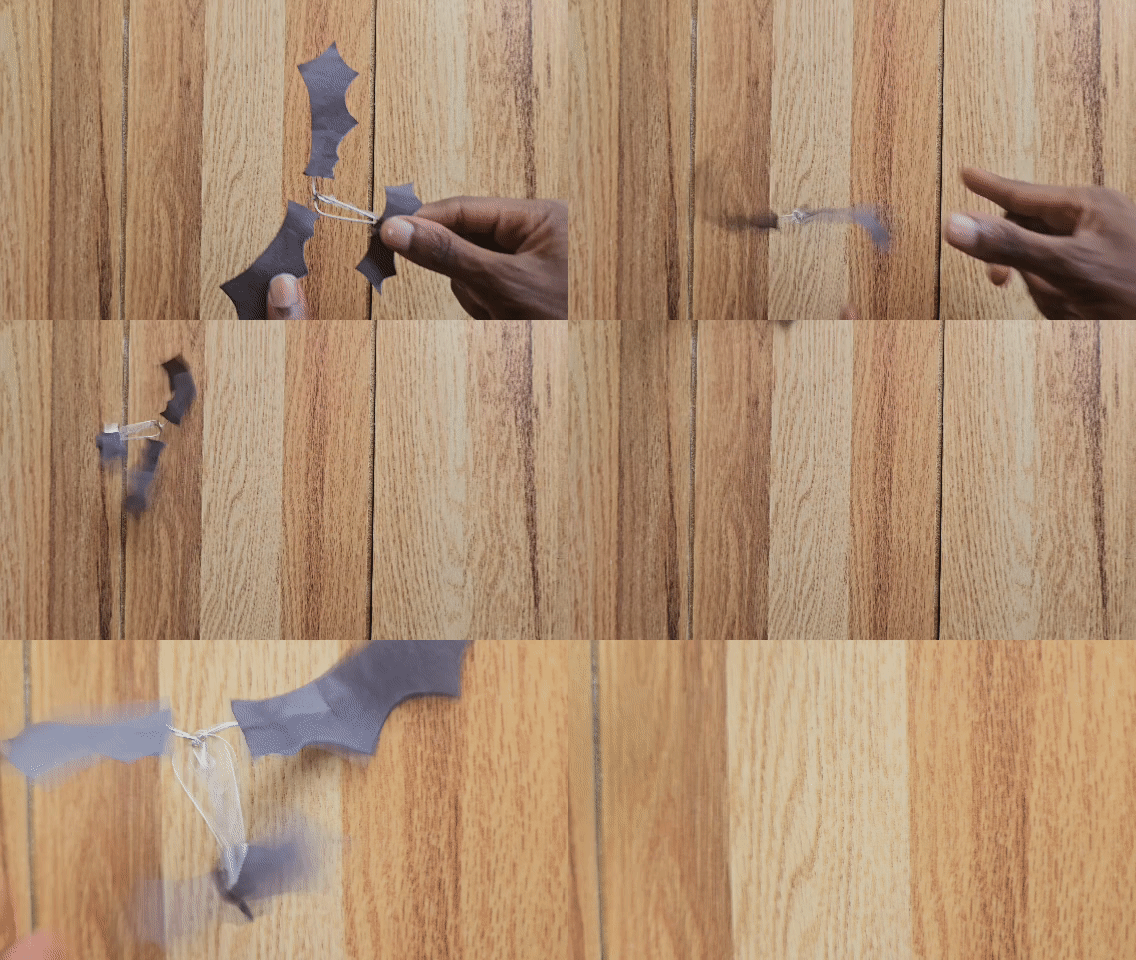
Learn more

Bats are among the most nimble flyers in the animal kingdom, capable of darting through pitch-black forests and swooping to catch tiny insects mid-flight with pinpoint precision. While birds rely on rigid, feathered wings that mostly flap up and down, a bat’s wing is made of thin, elastic skin stretched over flexible, multi-jointed finger bones. This unique structure allows a bat to independently bend and twist different parts of its wings in milliseconds, continuously altering their curvature and surface area. By making these split-second adjustments, bats can make sharp 180-degree turns on a dime and reach flight speeds exceeding 30 miles per hour—with the Brazilian free-tailed bat even reaching horizontal speeds over 60 miles per hour in straightaways!