Step-by-step tutorial
Step 1
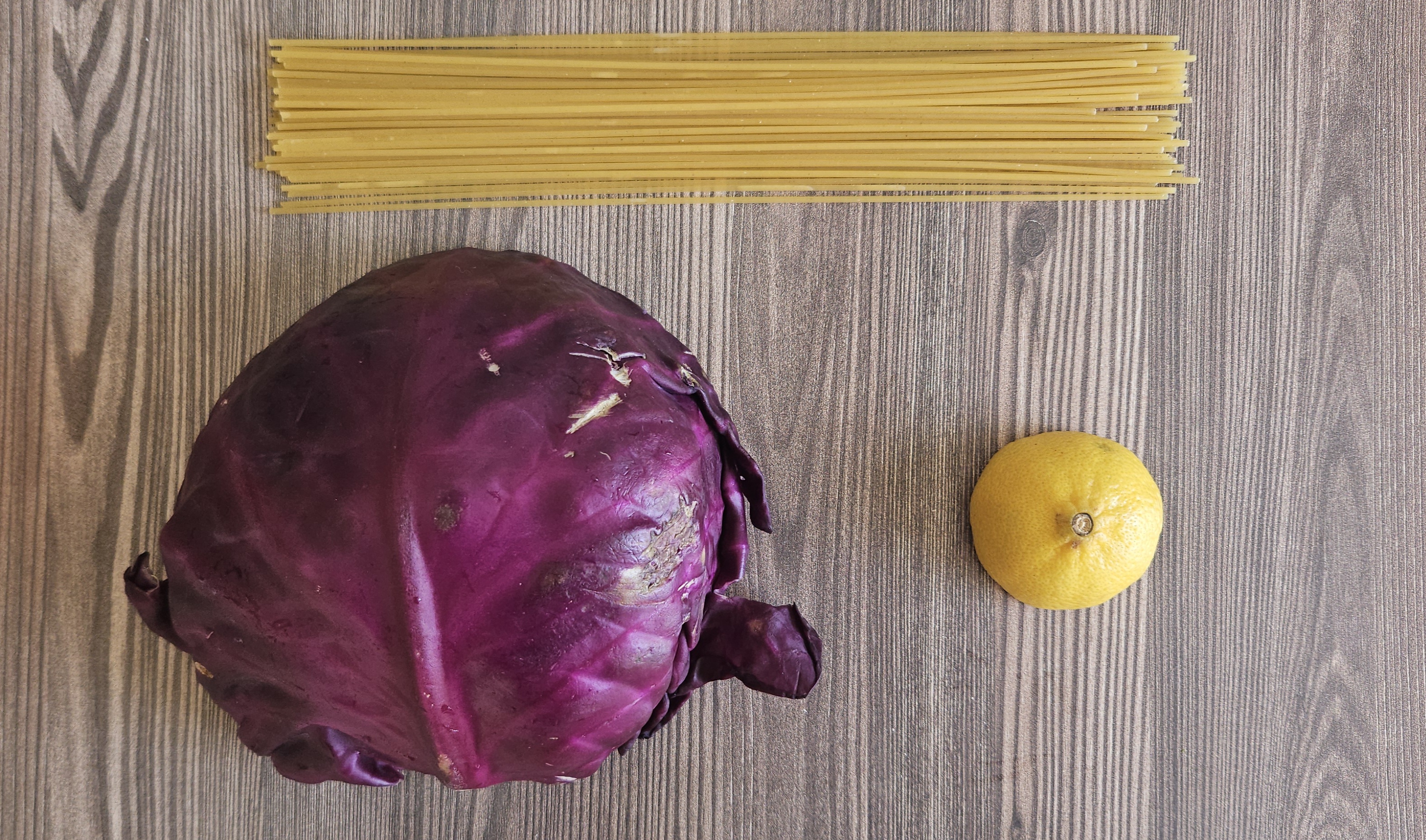
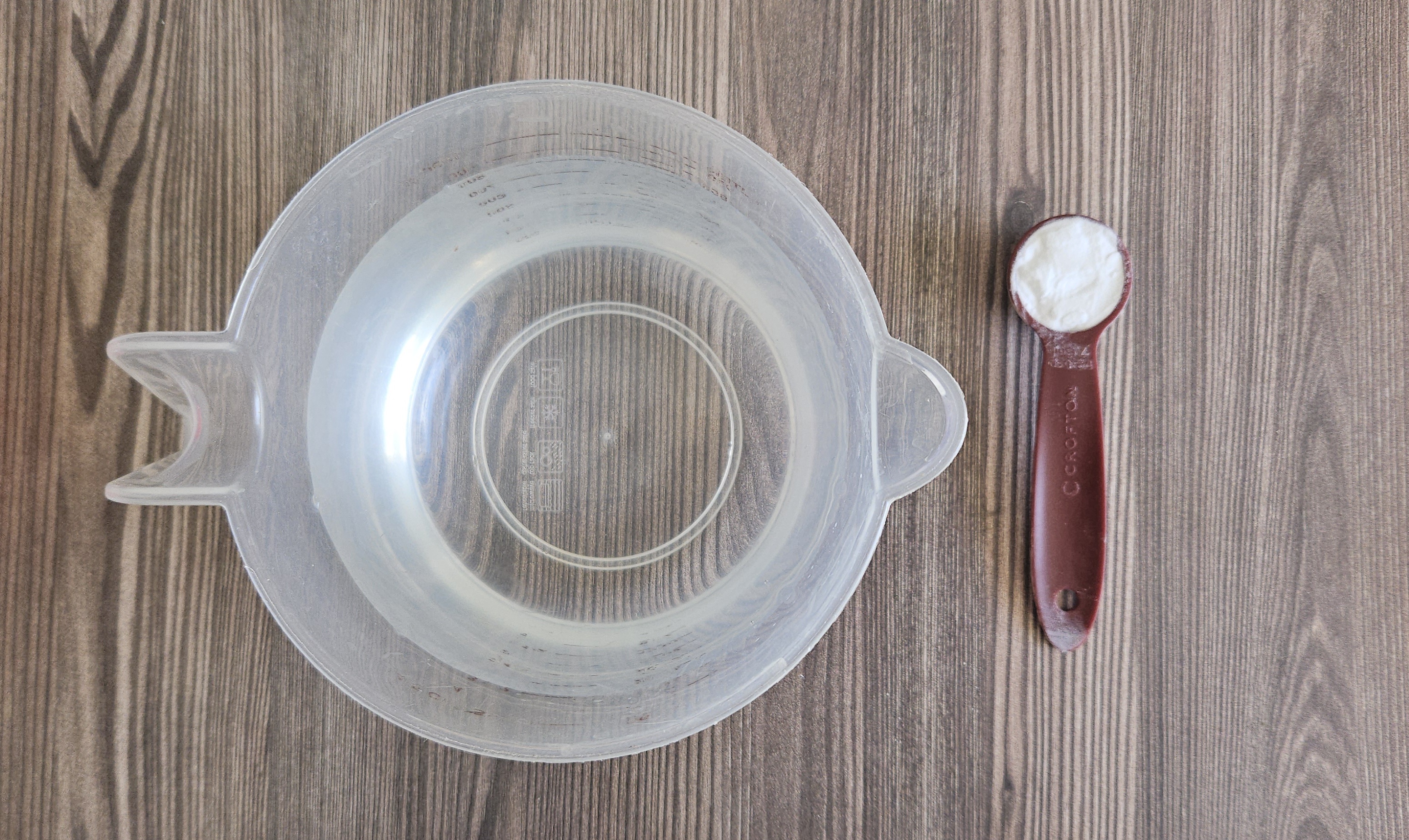
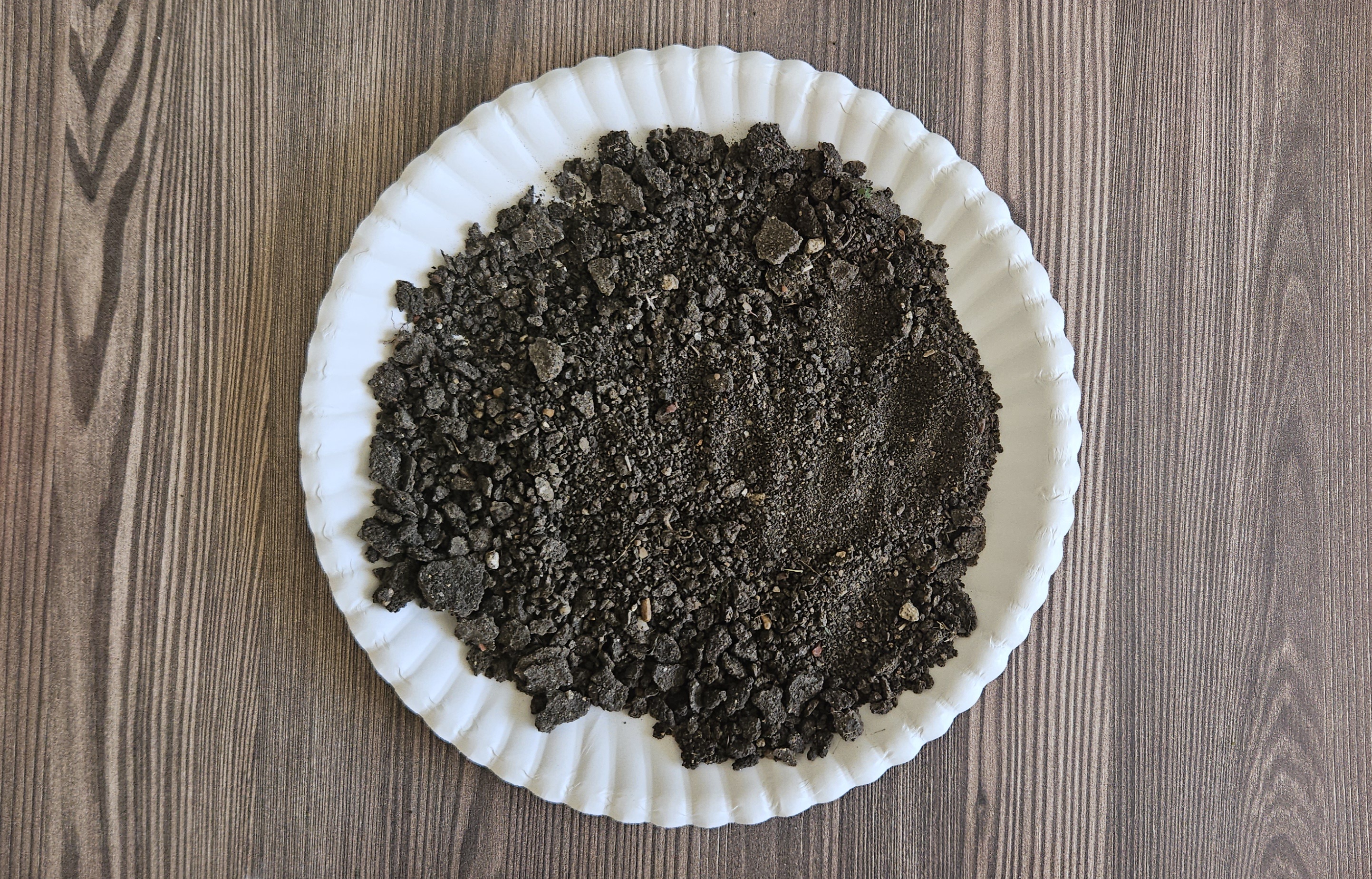
Gather your materials.

Step 2
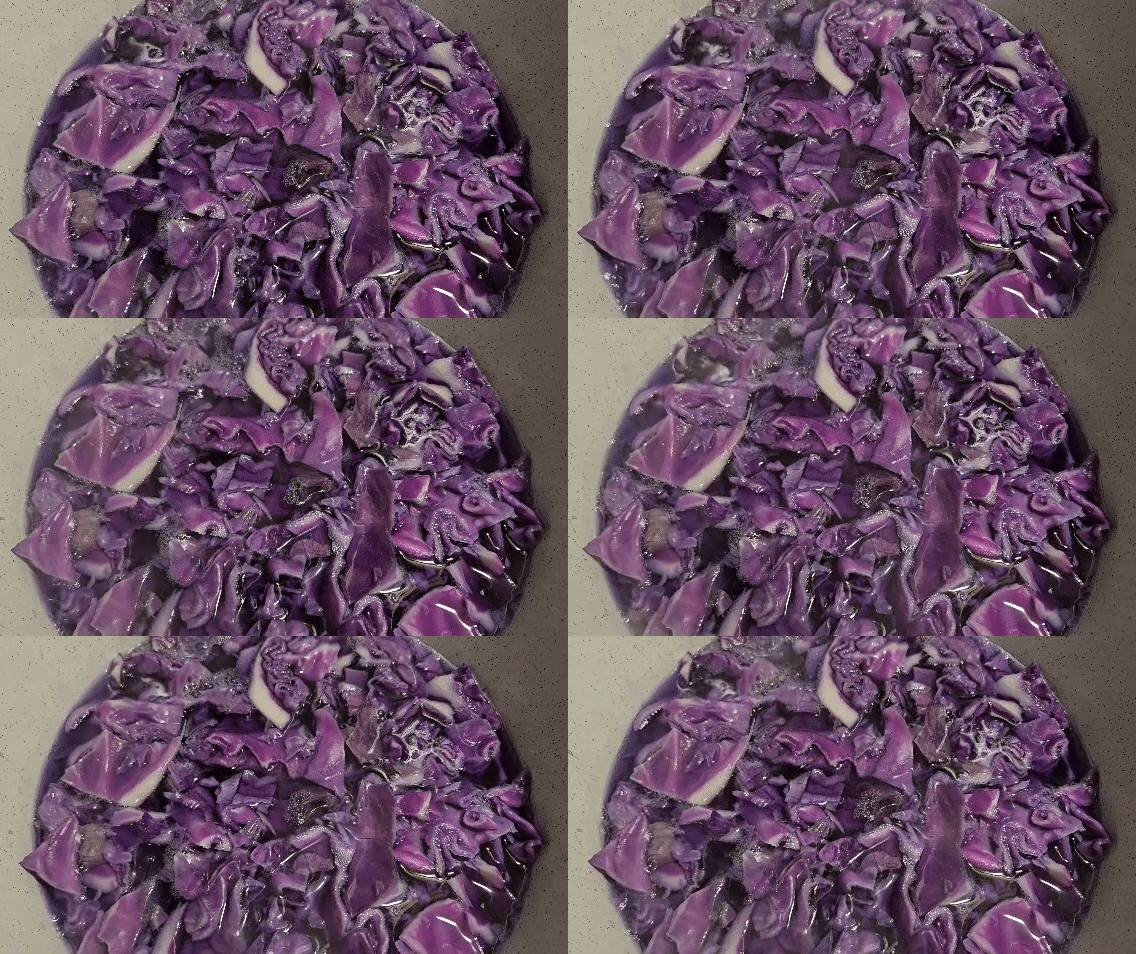
Chop up and boil half a head of red cabbage in 4 cups of water for 20 minutes.
Step 3
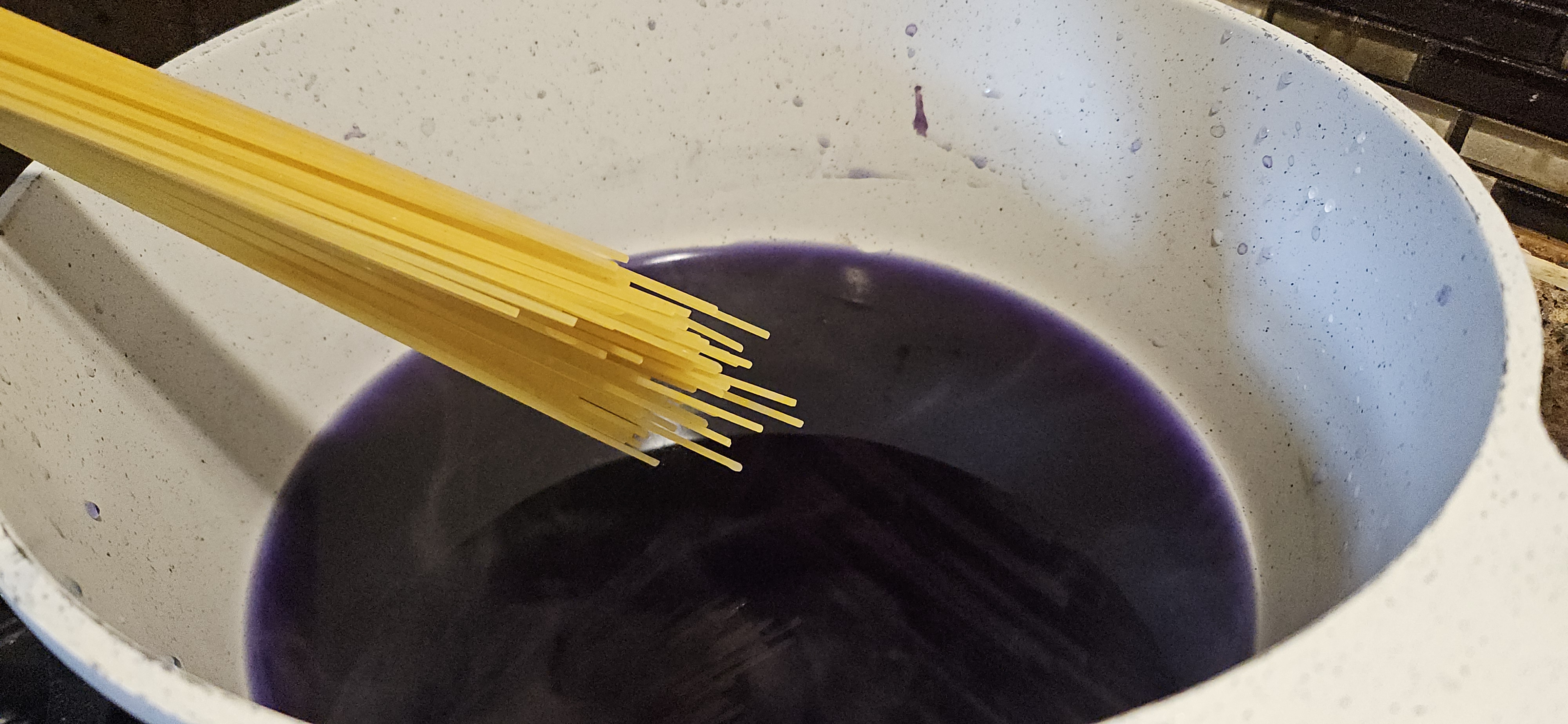
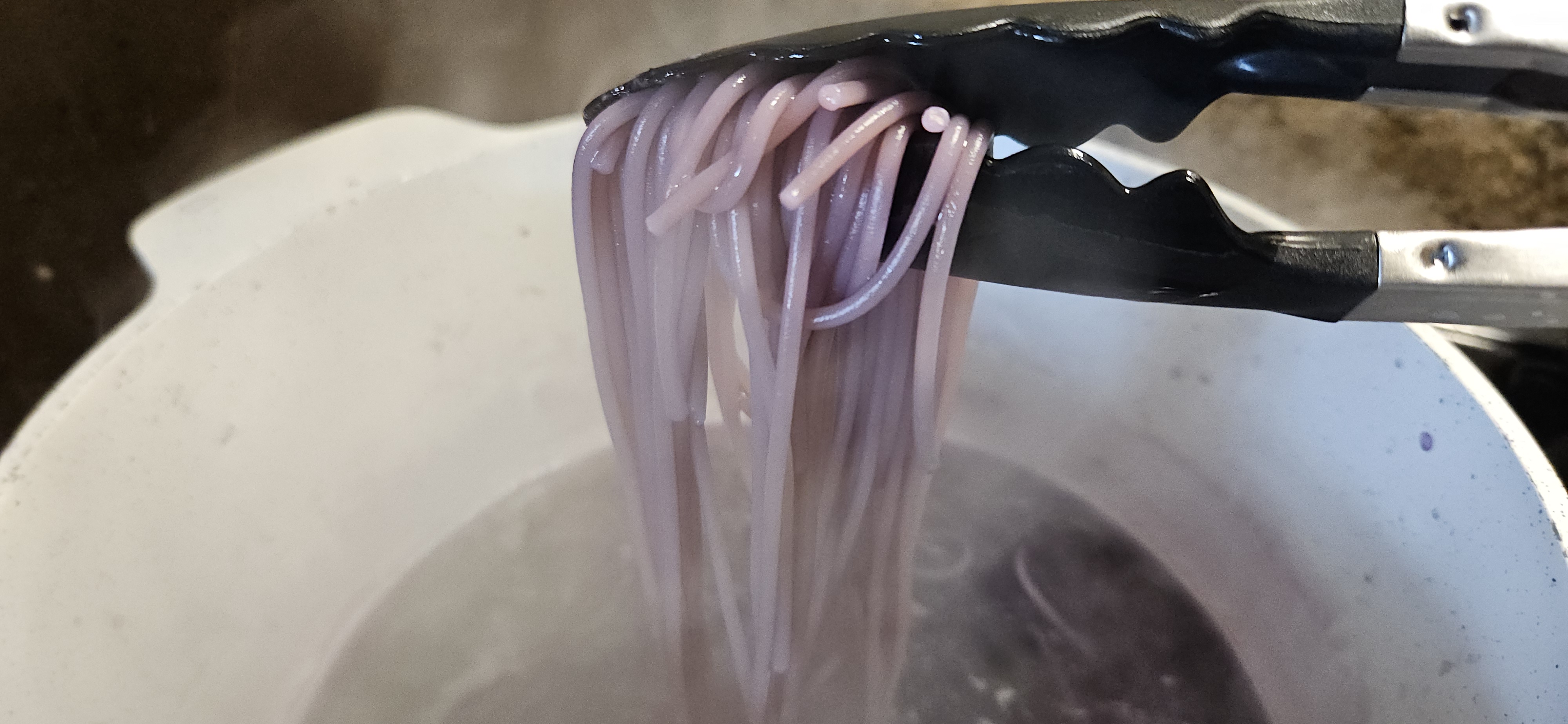
Separate the purple water and boil spaghetti in this water for 10 minutes, or until the pasta has a consistent purple color.
Step 4
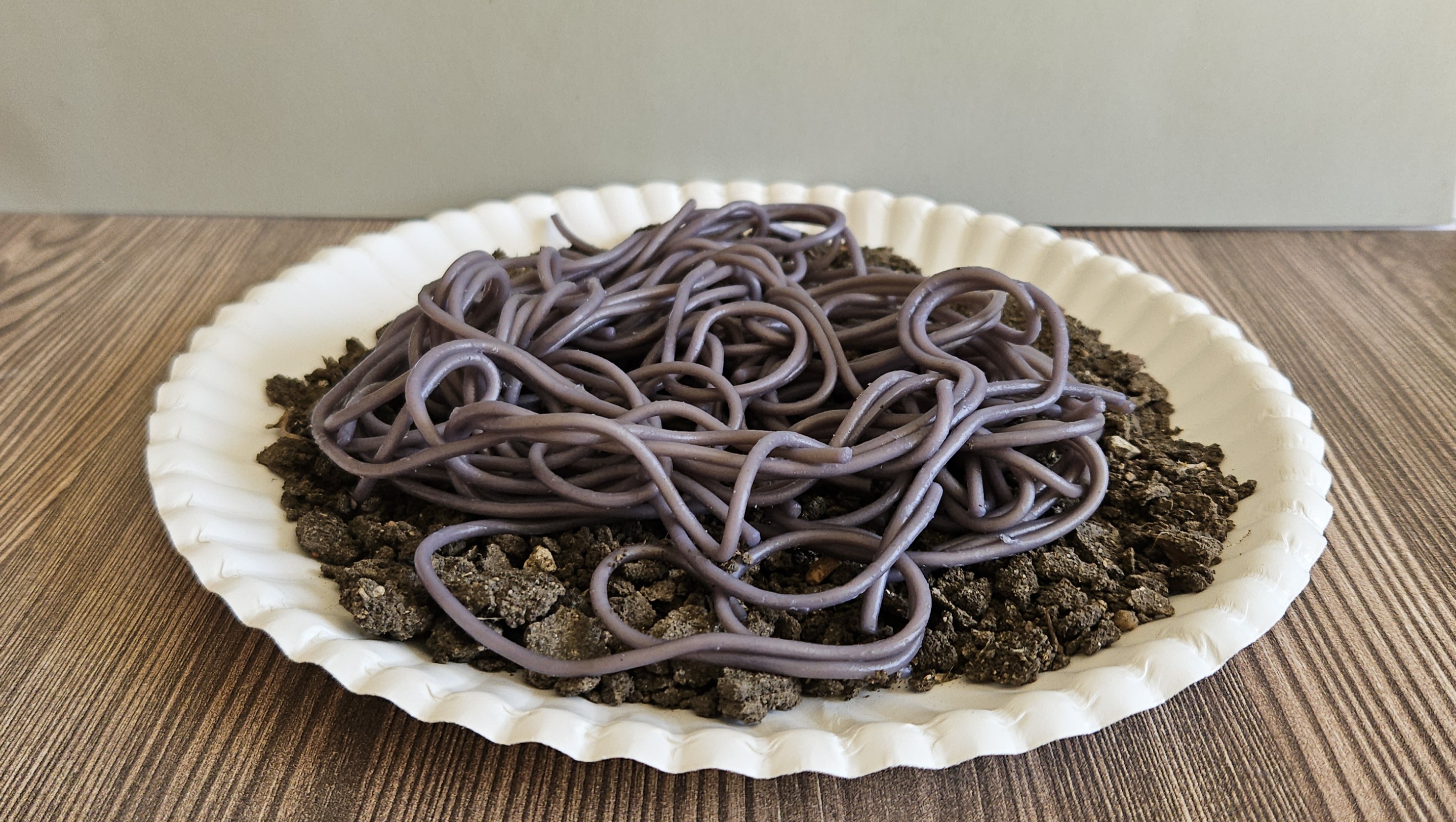
Place the spaghetti worms on a plate of soil.
Tip
You can use crumbled up chocolate cake or brownies instead of actual soil to make this project fully edible!
Step 5
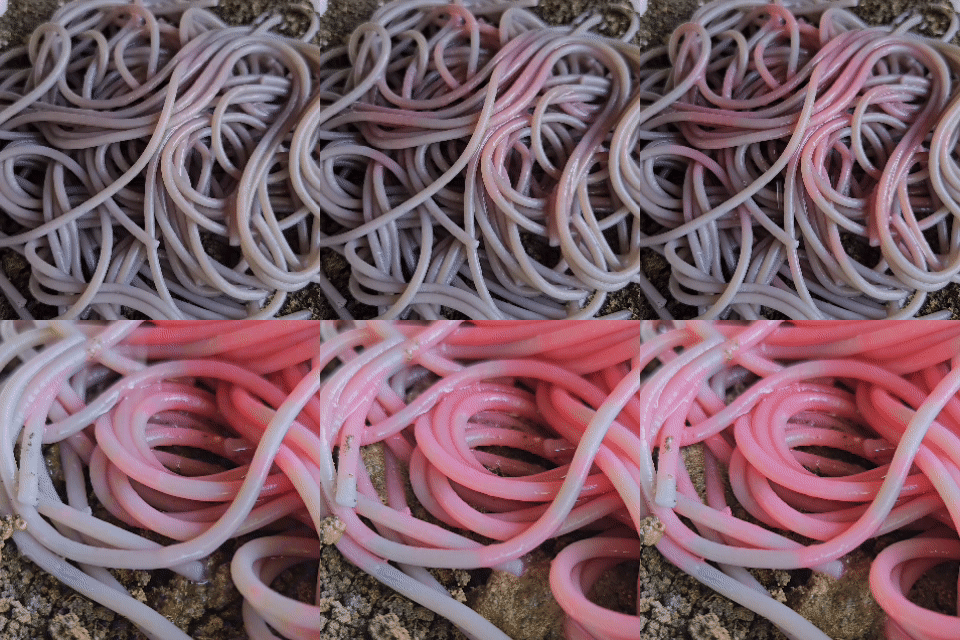
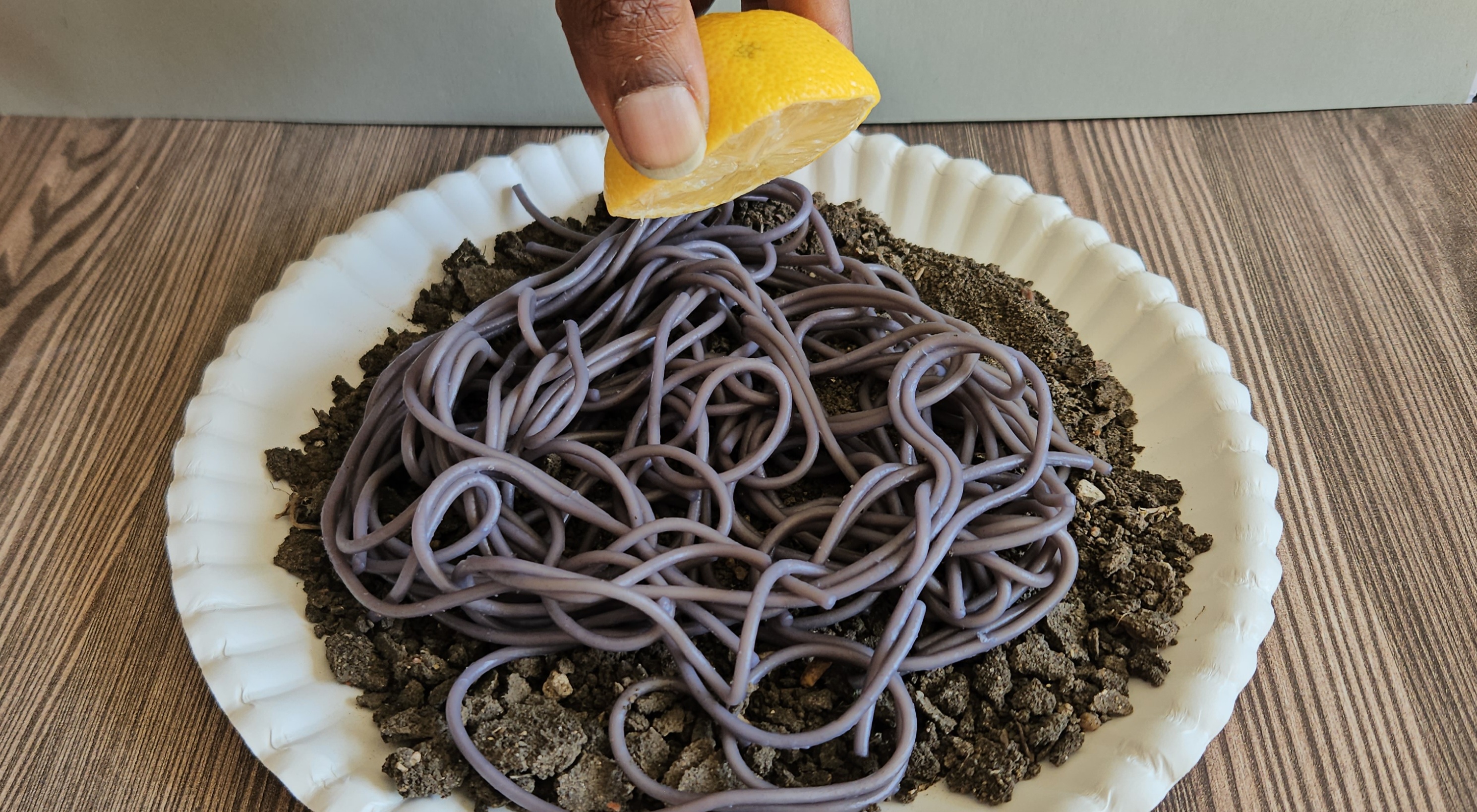
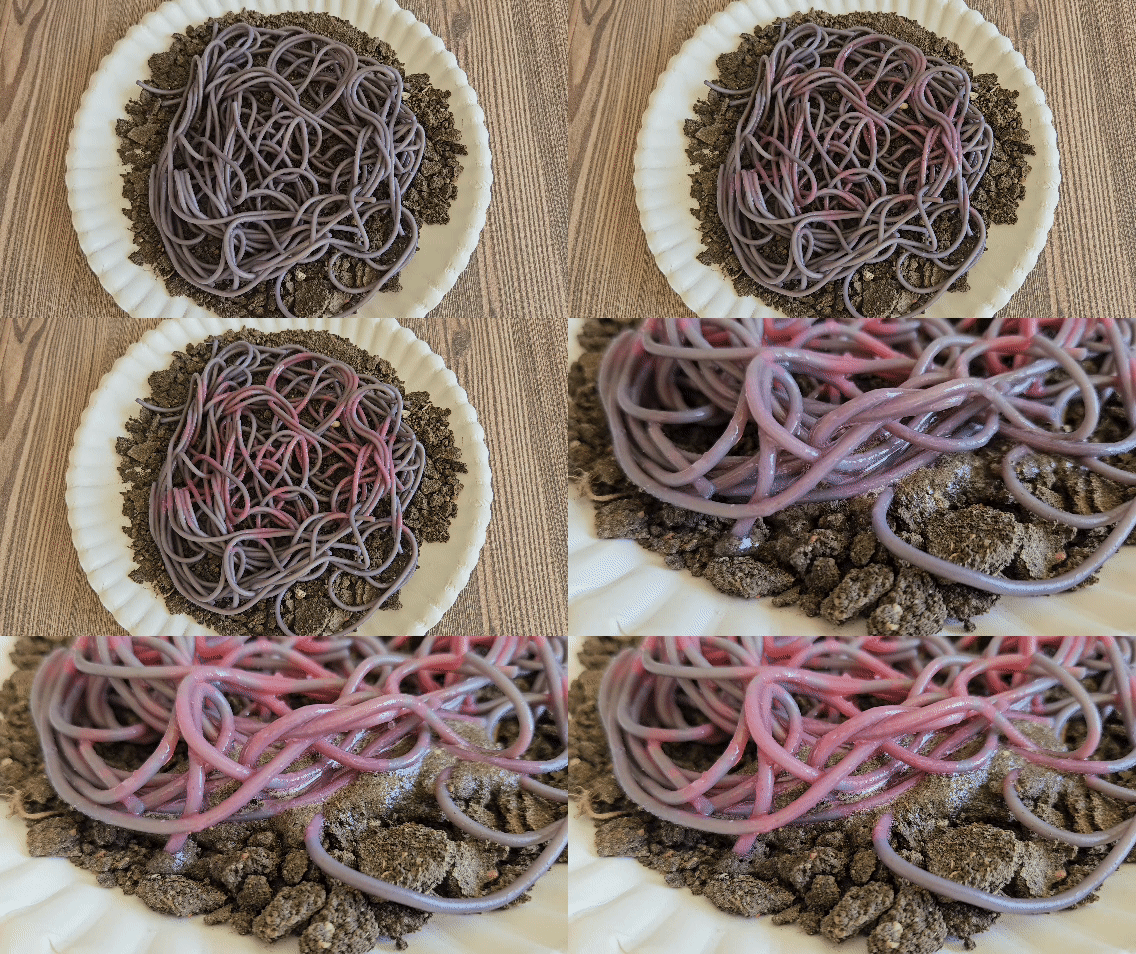
Squeeze lemon juice over the pasta and watch the worms transform in color!
Step 6
Spooky Spaghetti Worms.
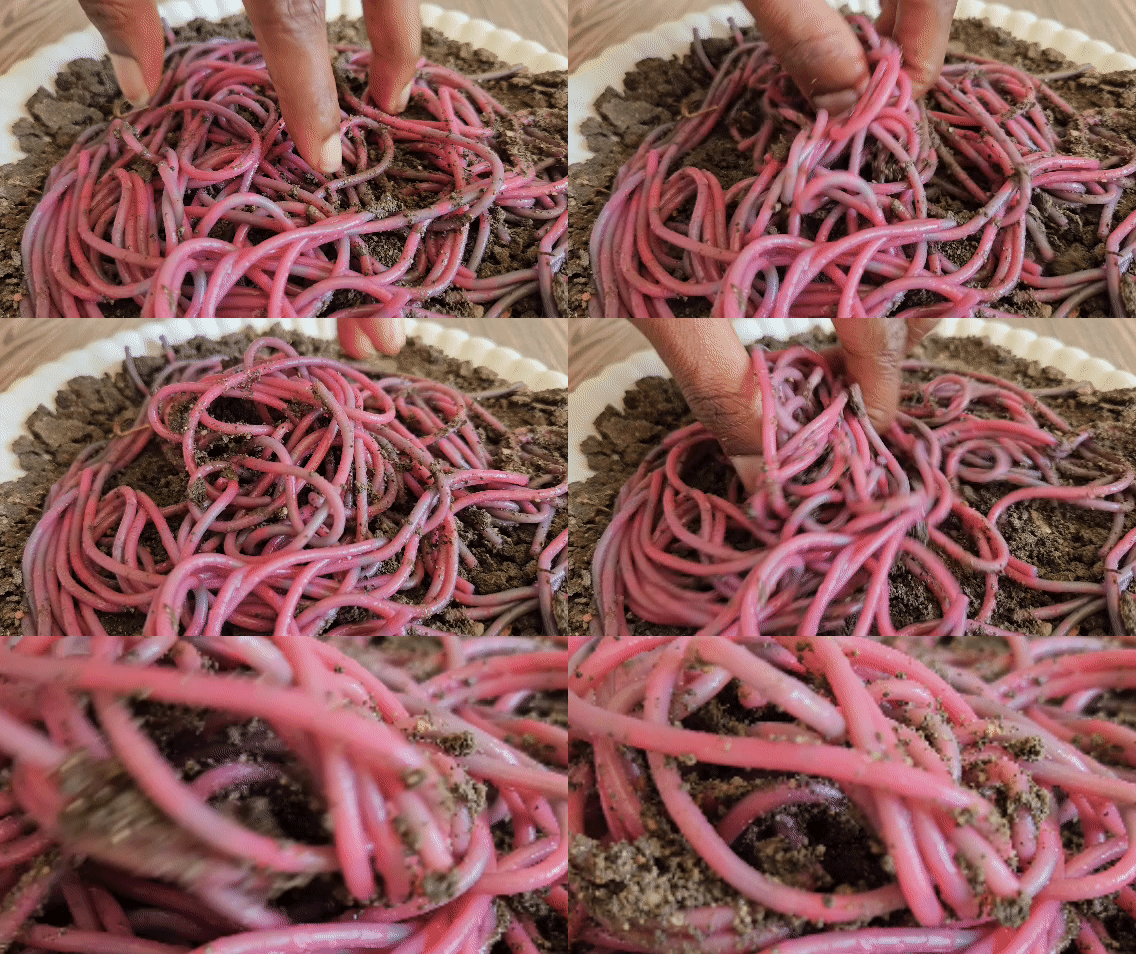
Step 7
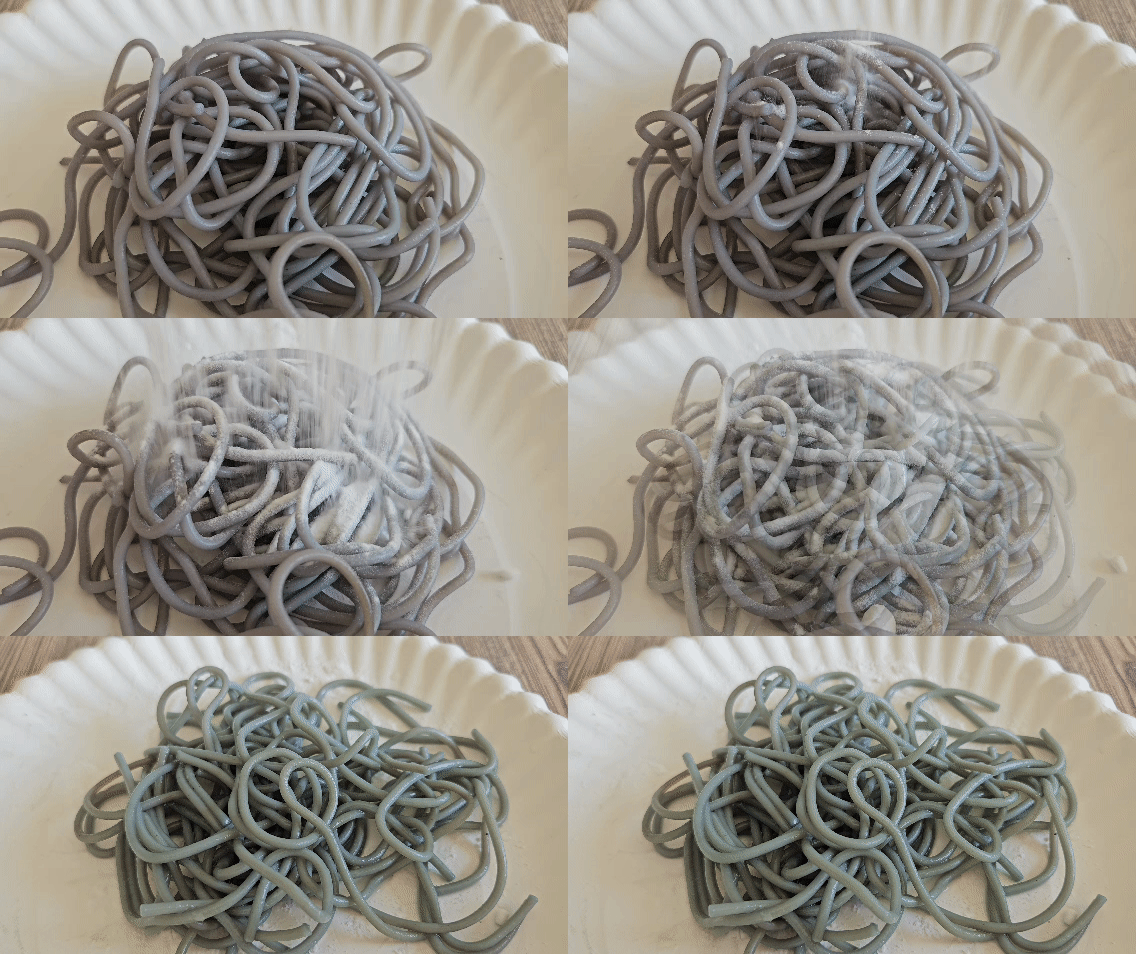
Bonus: Mix baking soda into a fresh batch of pasta and watch the worms turn green!
Learn more

Red cabbage gets its vibrant purple color from a natural pigment called anthocyanin, which acts like a built-in chemical chameleon! When you chop up red cabbage and steep it in hot water, the pigment dissolves into the liquid, creating a neutral purple juice. Anthocyanin molecules are super sensitive to hydrogen ions, changing their physical shape and color depending on how acidic or basic a liquid is. If you mix the cabbage juice with an acid like lemon juice or vinegar, the molecules shift to turn bright pink or red. But if you mix it with a base like baking soda or soapy water, the molecules react in the opposite direction, transforming the liquid into a vivid blue, green, or even yellow—making red cabbage juice a colorful, all-natural pH indicator!