Step-by-step tutorial
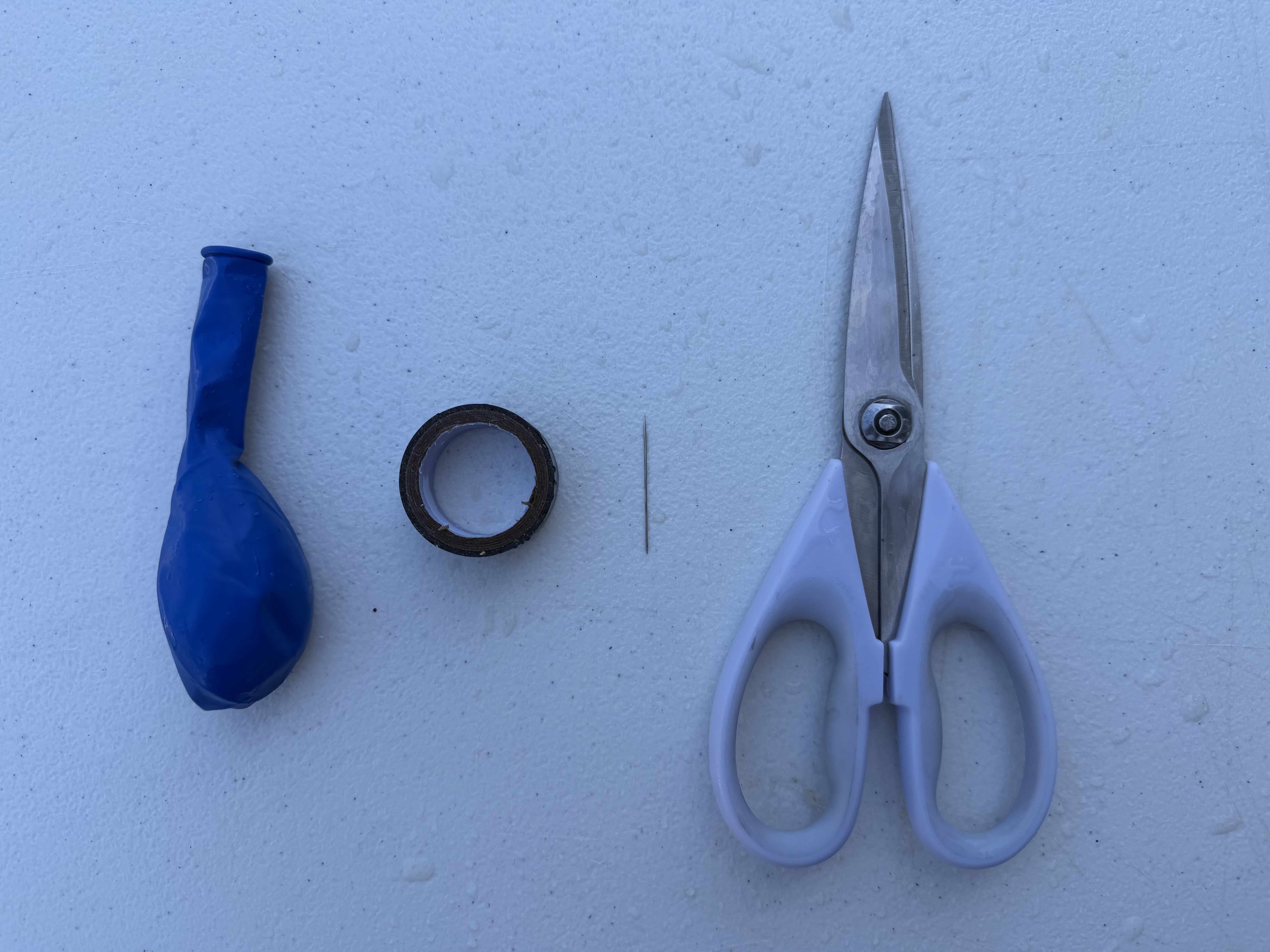
Step 1
Gather your materials.

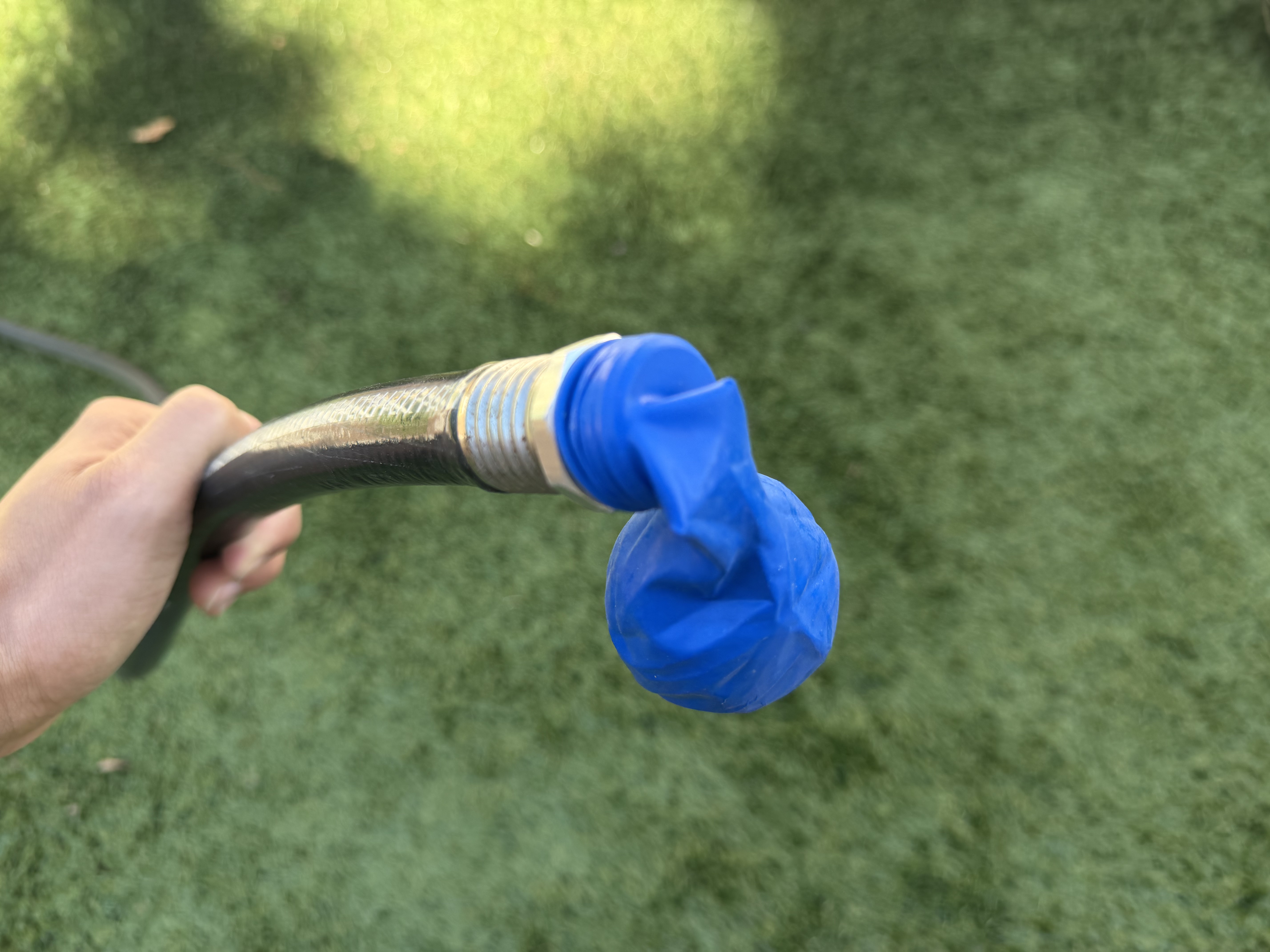
Step 2
Wrap the balloon around a hose.
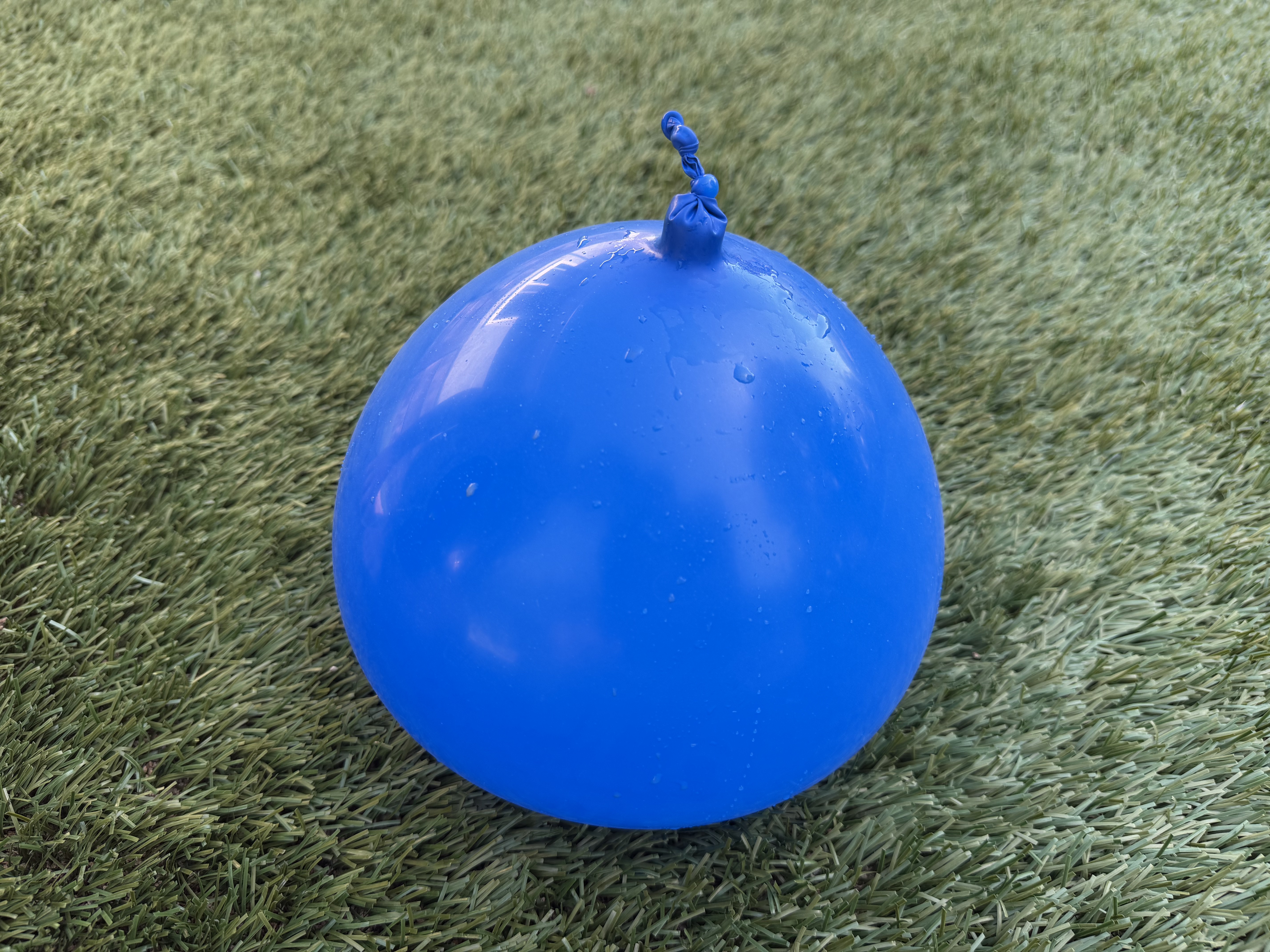
Step 3
Fill up the balloon. If it's too full, it might pop later, so be careful! Let out all the air before tying it.
Step 4
Create a square with electrical tape.

Tip
Make sure the tape is pressed on all the way. If it's not, the whole balloon can explode when you puncture it!
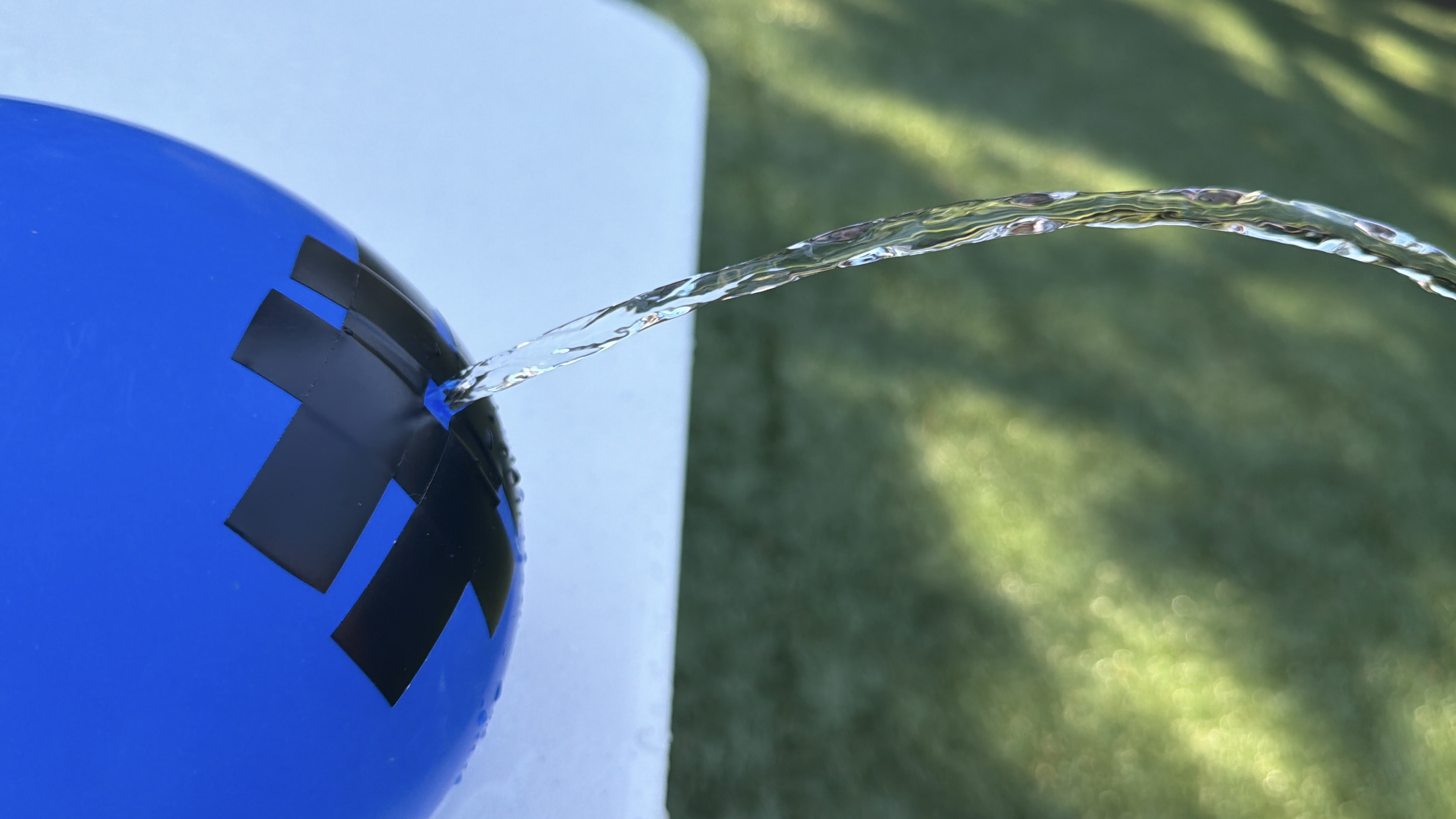
Step 5
Make sure the water and balloon are not moving. Use a needle to poke a small hole inside the tape square.
Tip
Try experimenting with different water levels and poking tools. It took us a few attempts before getting it right, so don’t get discouraged!
Learn more

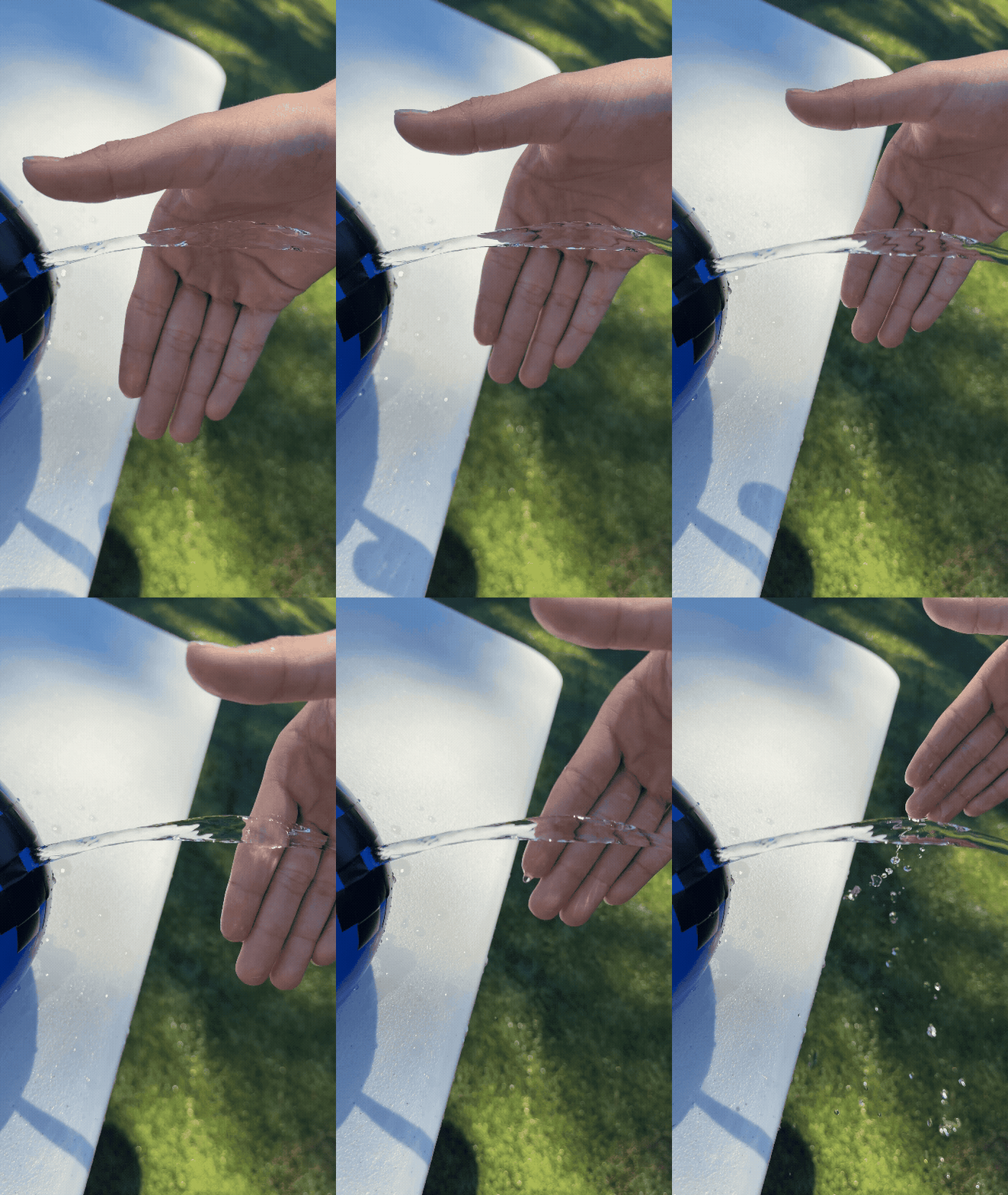
Fluids can flow in two ways: laminar and turbulent. When water (or any fluid) moves in smooth, straight, parallel layers, that's laminar flow. It's what makes a stream look almost frozen in place. Turbulent flow is the one you see more often. It's when a fluid swirls and mixes in every direction instead of staying in neat lines.
You've probably seen laminar flow before, even if you didn't know its name. Watch for it in a gently running faucet or honey pouring from a jar.