How Weather Works

Weather isn't just something outside the window. These two activities bring it right into your home.
Water Cycle Bags: Draw clouds and a sun on a ziplock bag, add a splash of blue-tinted water, and tape it to a sunny window. Within a few hours, condensation forms on the inside, drips back down, and pools at the bottom. The included printable turns it into a real observation activity. Once kids see it happen in a bag, they'll start spotting it on car windows, cold glasses, and bathroom mirrors, which is exactly how weather literacy starts.
Cloud in a Bottle: Pour a splash of rubbing alcohol into an empty plastic bottle, cap it, and shake. Then grip the middle and twist as hard as you can — and let go. A cloud appears inside the bottle instantly. The pressure drop cools the air so fast that the alcohol vapor condenses into tiny floating droplets, which is exactly what happens when real clouds form.
How the Ocean Works
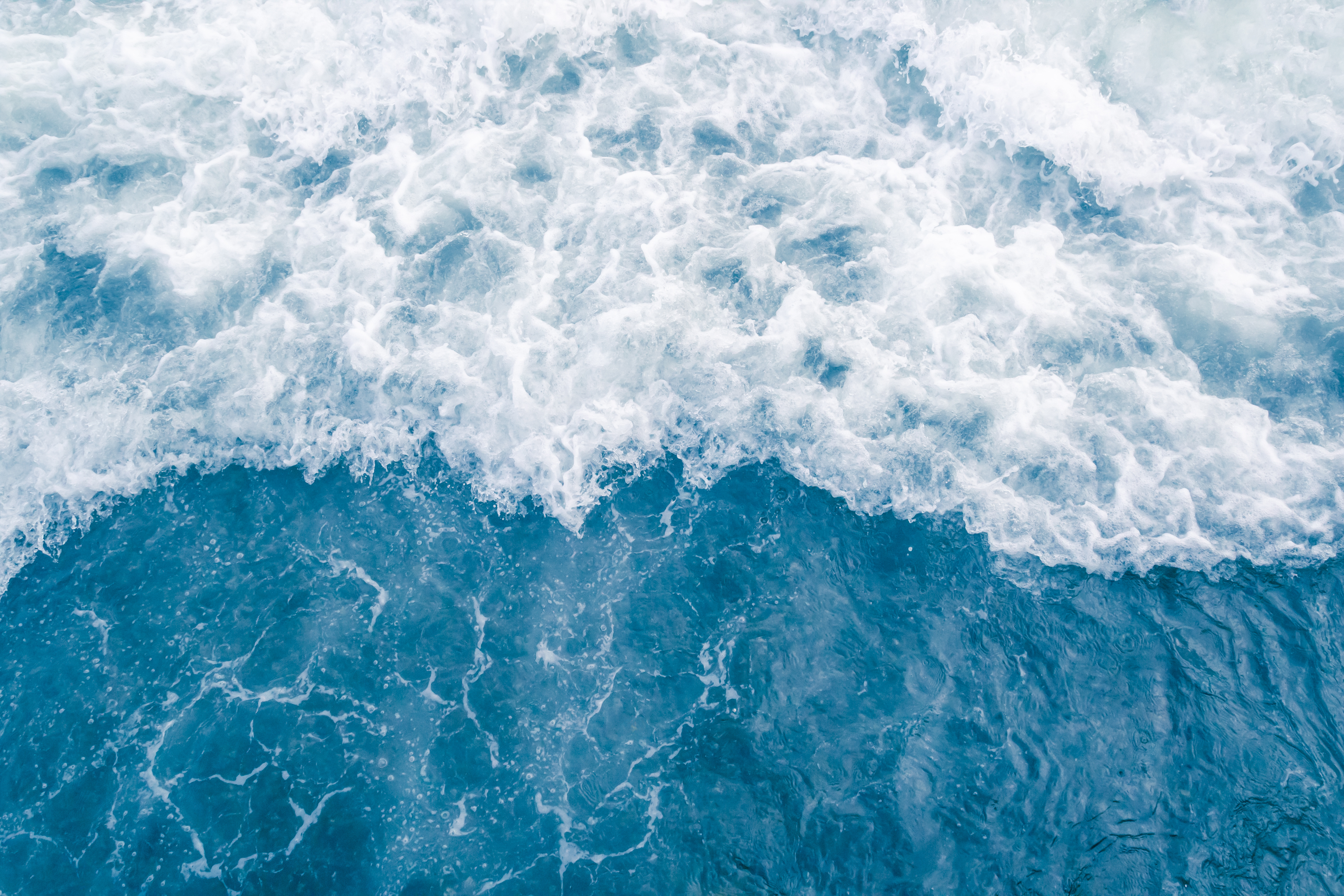
The ocean covers 71% of the planet and runs on a handful of principles kids can test in a jar.
Floating Egg: Fill a jar halfway with saltwater, drop in a raw egg, and it floats. Then slowly pour fresh water on top. The egg stays suspended right in the middle, hovering between the two layers. The concept is density: saltwater is denser than freshwater, so it sinks below it. It's one reason ocean layers don't freely mix, and why different sea creatures live at different depths.
Underwater Fireworks: Layer saltwater and fresh water in a bottle, then slowly add drops of food coloring. Instead of sinking straight down, the drops hit the denser salt layer and explode outward in slow motion. That boundary between layers is what oceanographers call a halocline, and it influences where nutrients, oxygen, and marine life are found throughout the real ocean.
How Plants Work
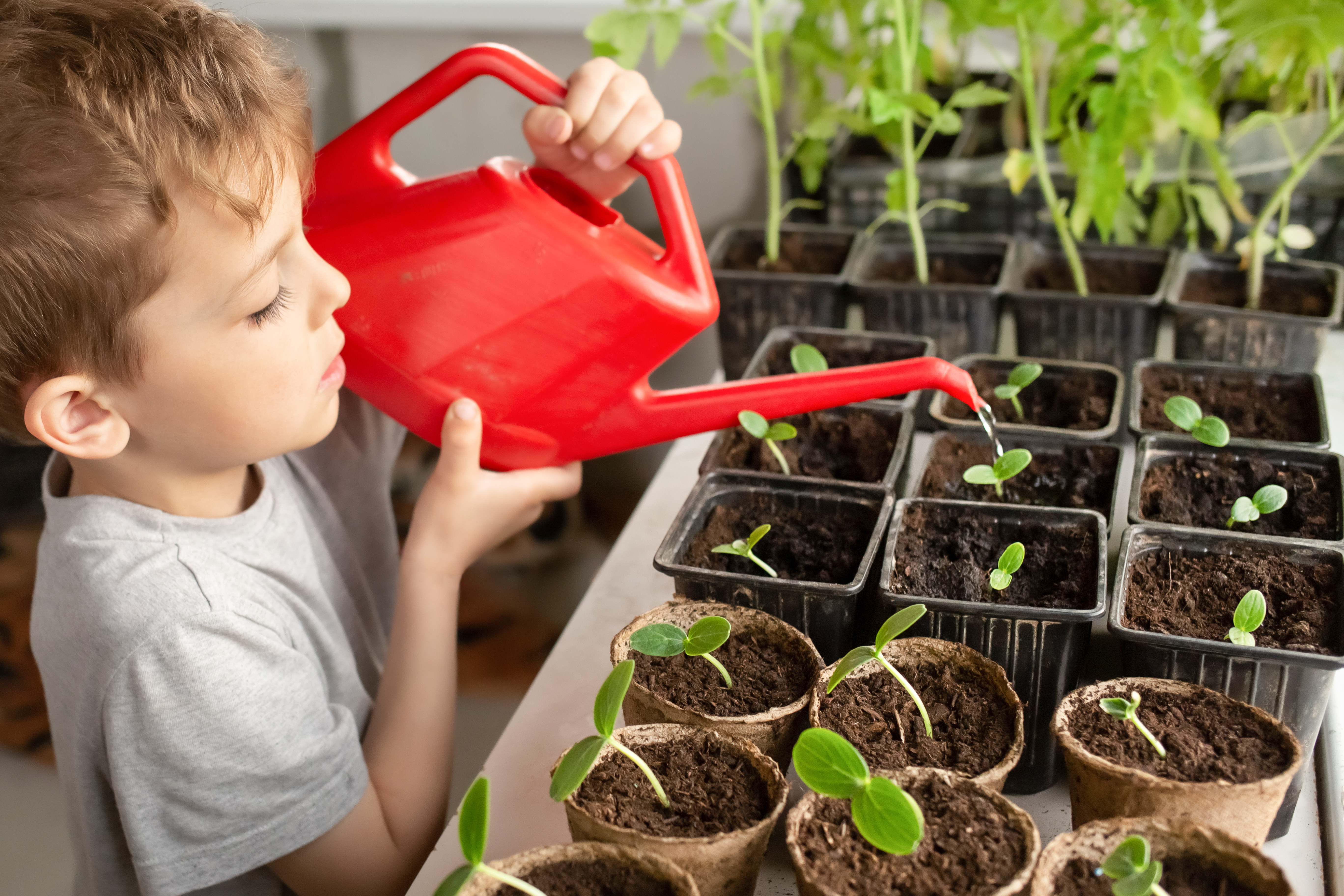
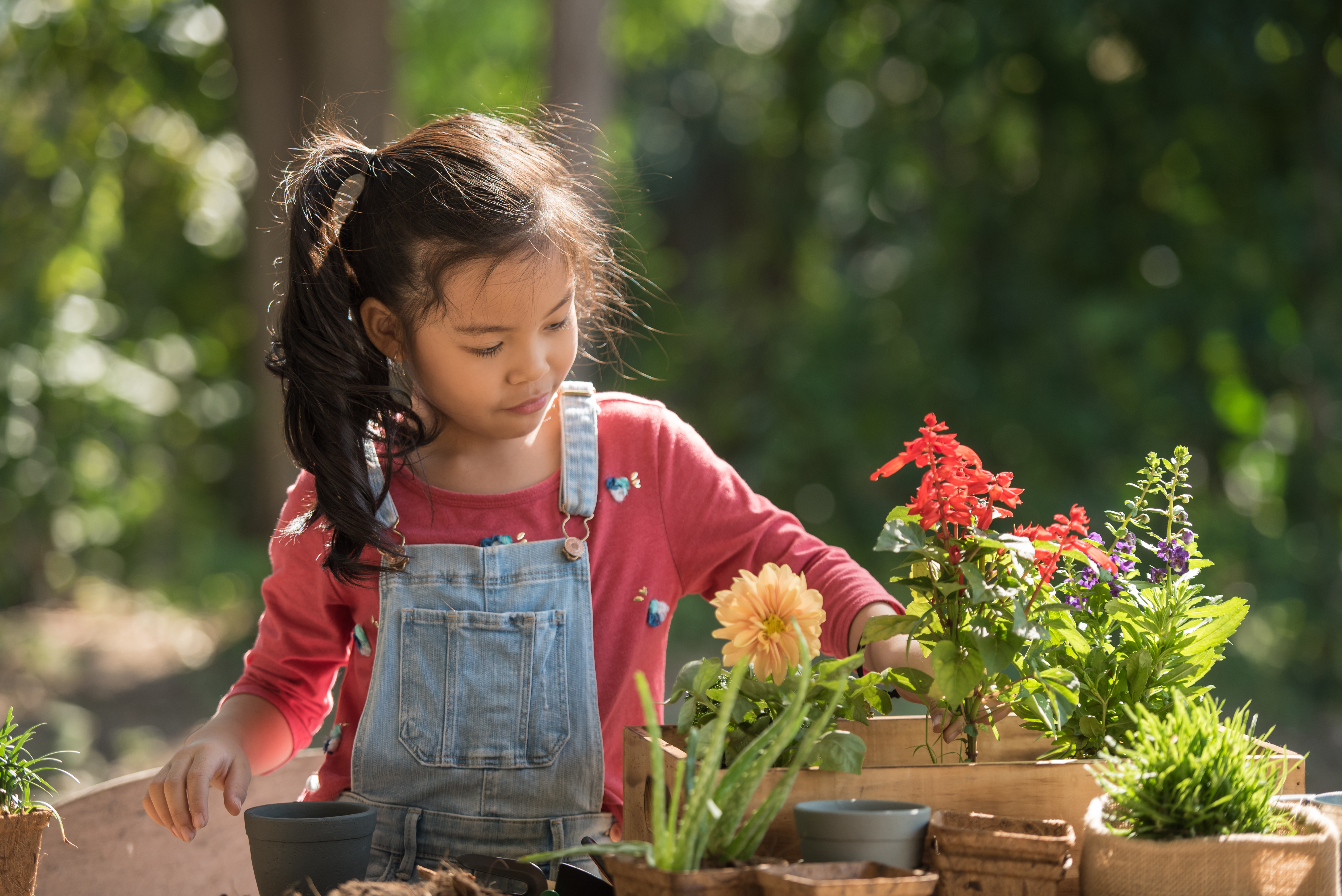
Plants are doing something genuinely remarkable right now. These two experiments make it visible in real time.
Celery Experiment: Drop a celery stalk into a jar of colored water and come back in 20 minutes. The color has already started climbing through the stalk. Leave it overnight and it reaches the leaves. Split the stalk open afterward and you can see the tiny tubes (xylem) that did the work. Every plant on Earth (from a houseplant to a nearly 400-foot redwood) moves water this way.
Plant Light Maze: Plant a bean in a cup of soil, put it inside a shoebox with cardboard obstacles and a small hole cut at the far end, then close it up. Check back daily. The plant navigates around every obstacle on its way to the light, driven by a hormone called auxin that makes cells on the shady side grow longer. It takes a week or two, and it's a clear, slow-motion answer to how plants sense and respond to the world around them.
Get Outside and Look Closely
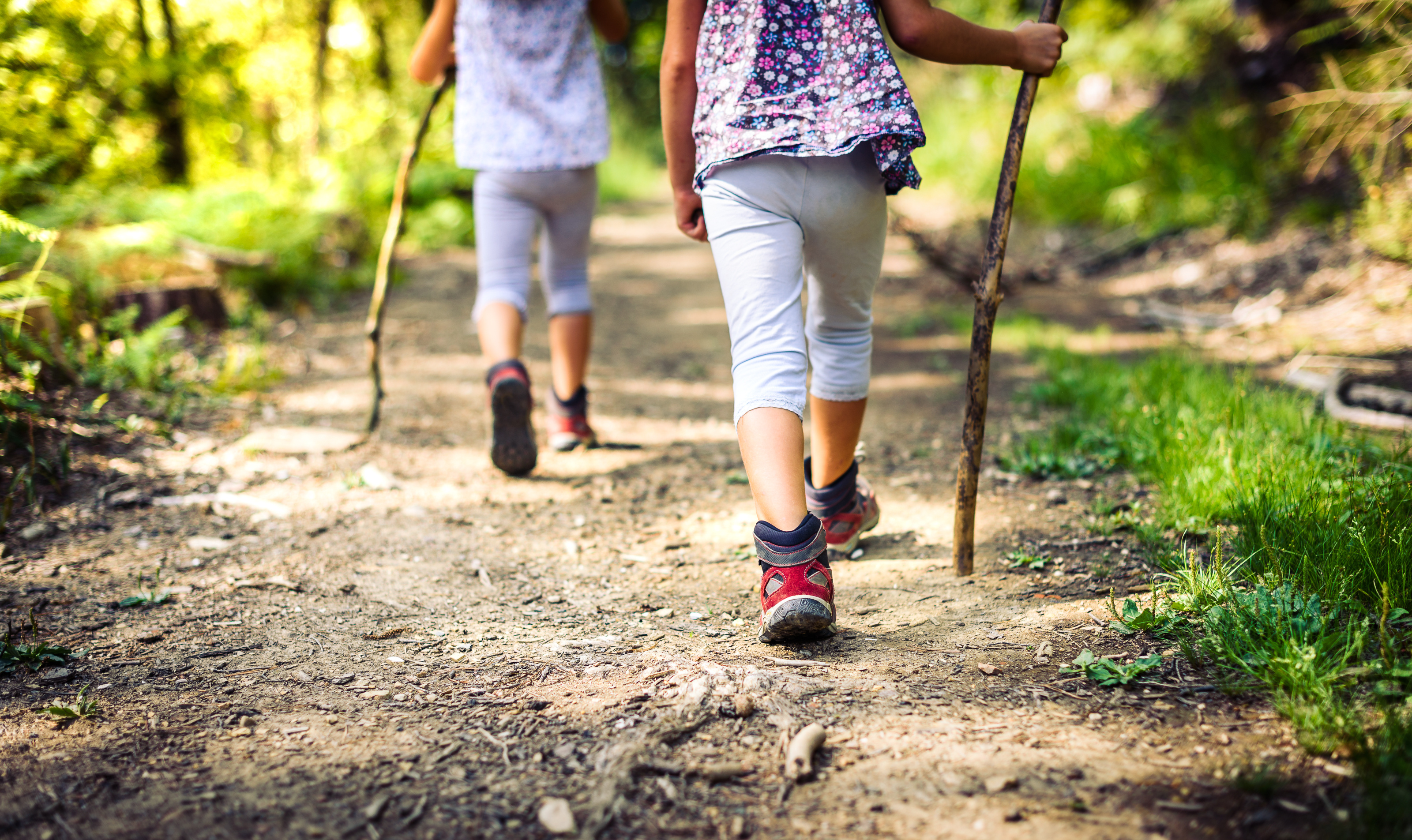
You'll need a sidewalk, a trail, or a backyard for these.
Earth Day Cleanup: Grab some bags and walk your neighborhood, a trail, or a park. The conversations that come with it tend to stick like how litter travels, how it affects animals, how separating the recyclables is something kids can do right now. Bring tongs to make it feel more official. It's one of those activities where kids can feel the size of the problem and the size of their own impact at the same time.
Nature Scavenger Hunt: Head outside with a list and a mission. A Color Hunt has kids matching found objects to a color list: a red flower, a grey rock, a brown seed pod. A Sound Hunt uses ears instead of eyes, tracking bird calls, wind, and rustling leaves. A Nature Art Hunt turns whatever kids collect into a backyard sculpture on the spot. The full guide has ten hunt variations, so you can tailor it to any age or any amount of time you have. The real payoff is what happens to how kids move through outdoor spaces afterward and how they start noticing things they used to walk right past.
The best part of any of these activities is the question that comes after: why did that happen? If your kid is the type who always wants to know more, KiwiCo delivers a new hands-on project every month. Find the right crate for your family.