Reading to your kid is one of those things that feels good, but is also sometimes impossible to fit in. The day is long and bedtime is already a production. Still, the research on what shared reading actually does makes a pretty strong case for fighting for that ten minutes.
Something shifts when you read aloud together
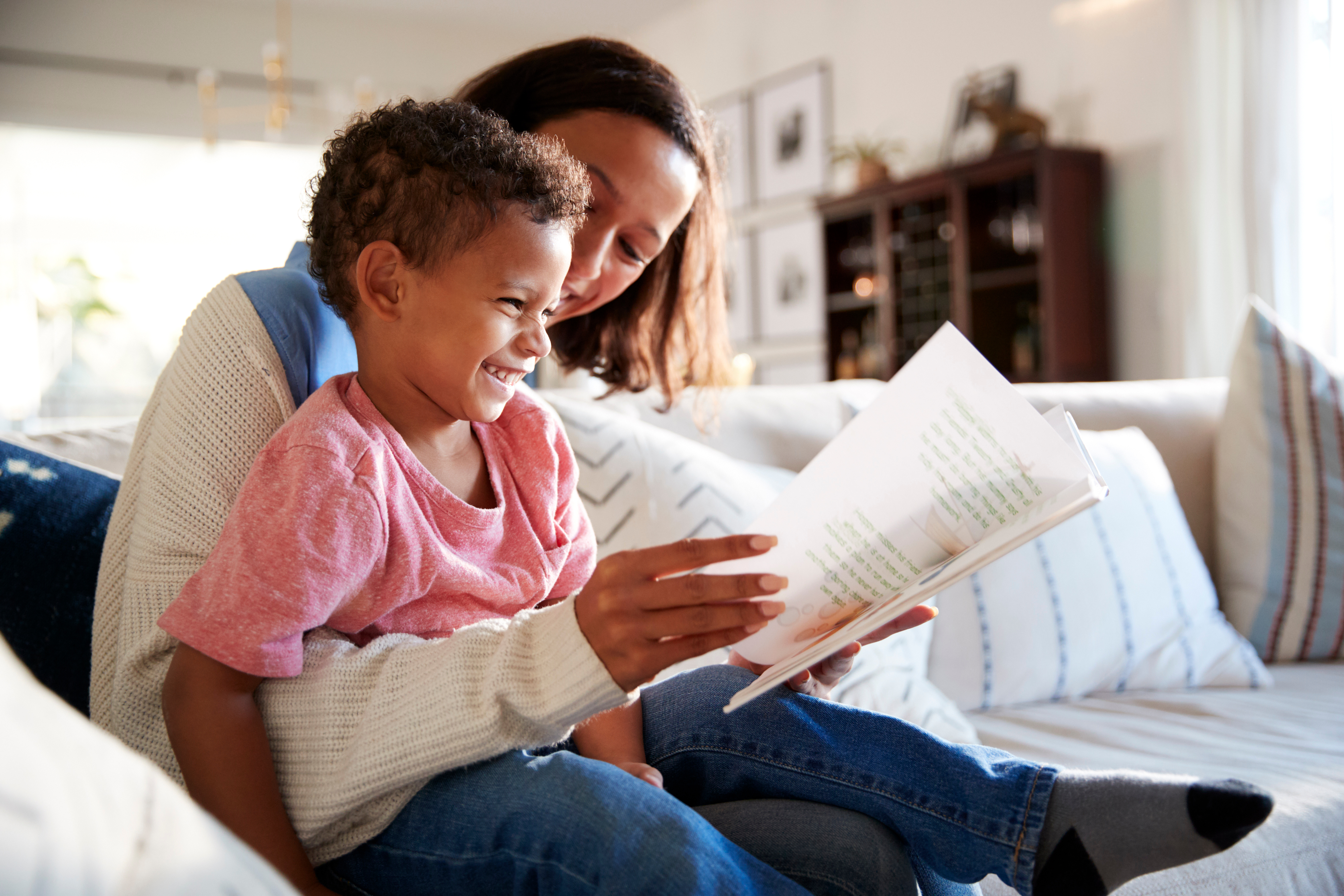
When you read aloud to your child, something measurable happens: your brains begin to sync. Studies using brain imaging have found interpersonal neural synchronization between parents and children during shared reading, particularly in areas linked to language and comprehension. Your child is absorbing words and they're tracking your tone, your pacing, and your reactions. That shared rhythm is part of what makes reading together different from a child reading alone.
The conversation is the learning
The story matters less than what you do around it. Stopping to ask "what do you think happens next?" or "why do you think she did that?" builds something passive listening doesn't. Research on interactive reading consistently shows that kids who talk about books as they read them develop stronger comprehension and reasoning skills. The questions don't need to be sophisticated. Open-ended beats right-or-wrong every time.
Even babies are listening
For very young children, the words don't need to make sense yet. Babies exposed to read-aloud time build familiarity with the sounds and rhythms of language months before they can respond to it. That early exposure shapes how quickly they acquire vocabulary later on.
Reading together is one of the simplest things you can do, and one of the ones with the longest payoff.
Want a built-in reason to read together each month? KiwiCo editors handpick a book to ship alongside each crate, chosen to go deeper into that month's theme. It's an easy add-on to most subscriptions and a good excuse to carve out that ten minutes.Add a book to your crate at kiwico.com/deluxe