Thousands of Kinds of Potato
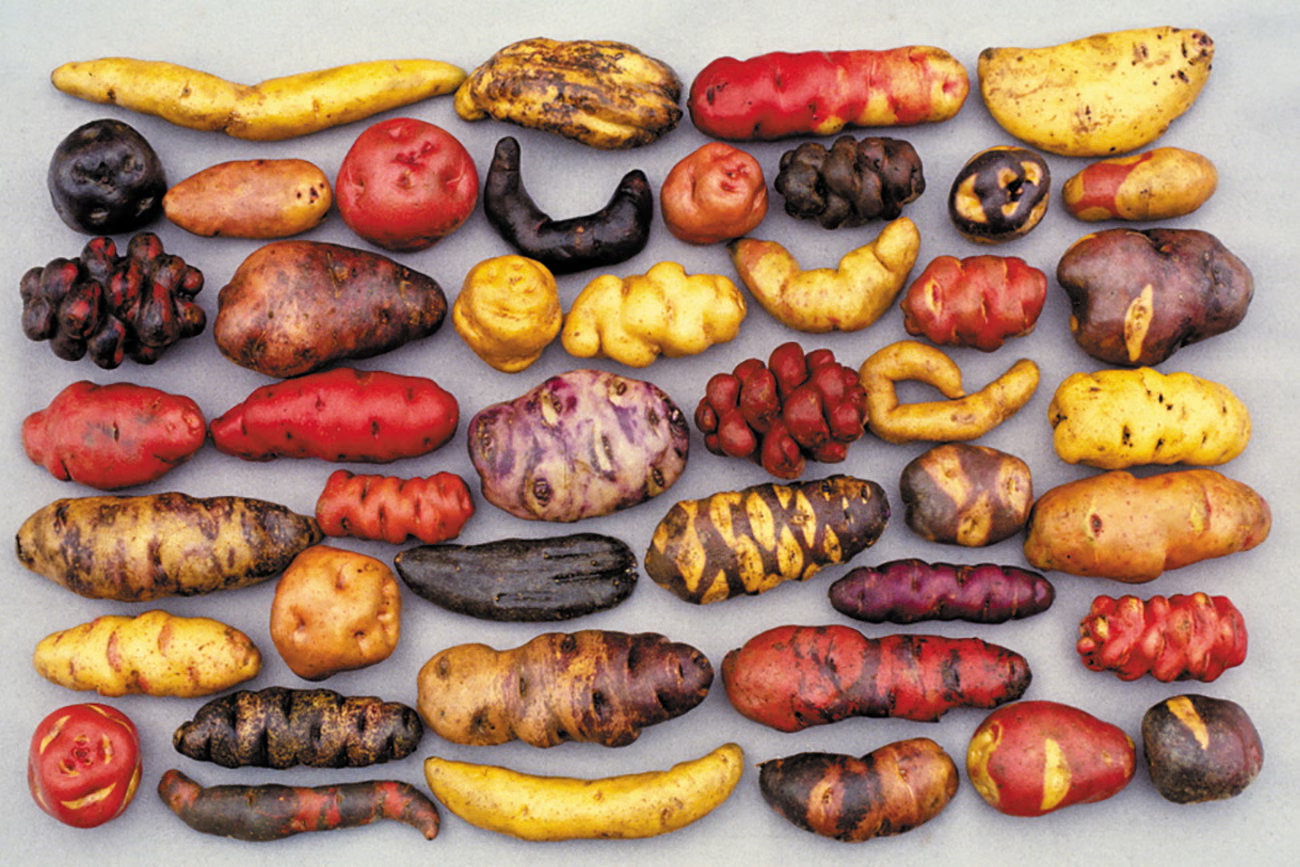
That lake is Titicaca, on what's now the Peru–Bolivia border, and Andean farmers have been developing new kinds ever since. About 3,000 native varieties grow in Peru today, out of more than 4,000 across the highlands of Peru, Bolivia, and Ecuador. They come in purple, blue, red, and yellow, and plenty are speckled. Some are round and some curl like a corkscrew.
Andean farmers also worked out freeze-drying centuries before any laboratory got there. They spread small potatoes on the ground, let the freezing mountain nights frost them over, then stomp them flat with their feet under the daytime sun to press the water out. The result is called chuño, and it keeps for years.
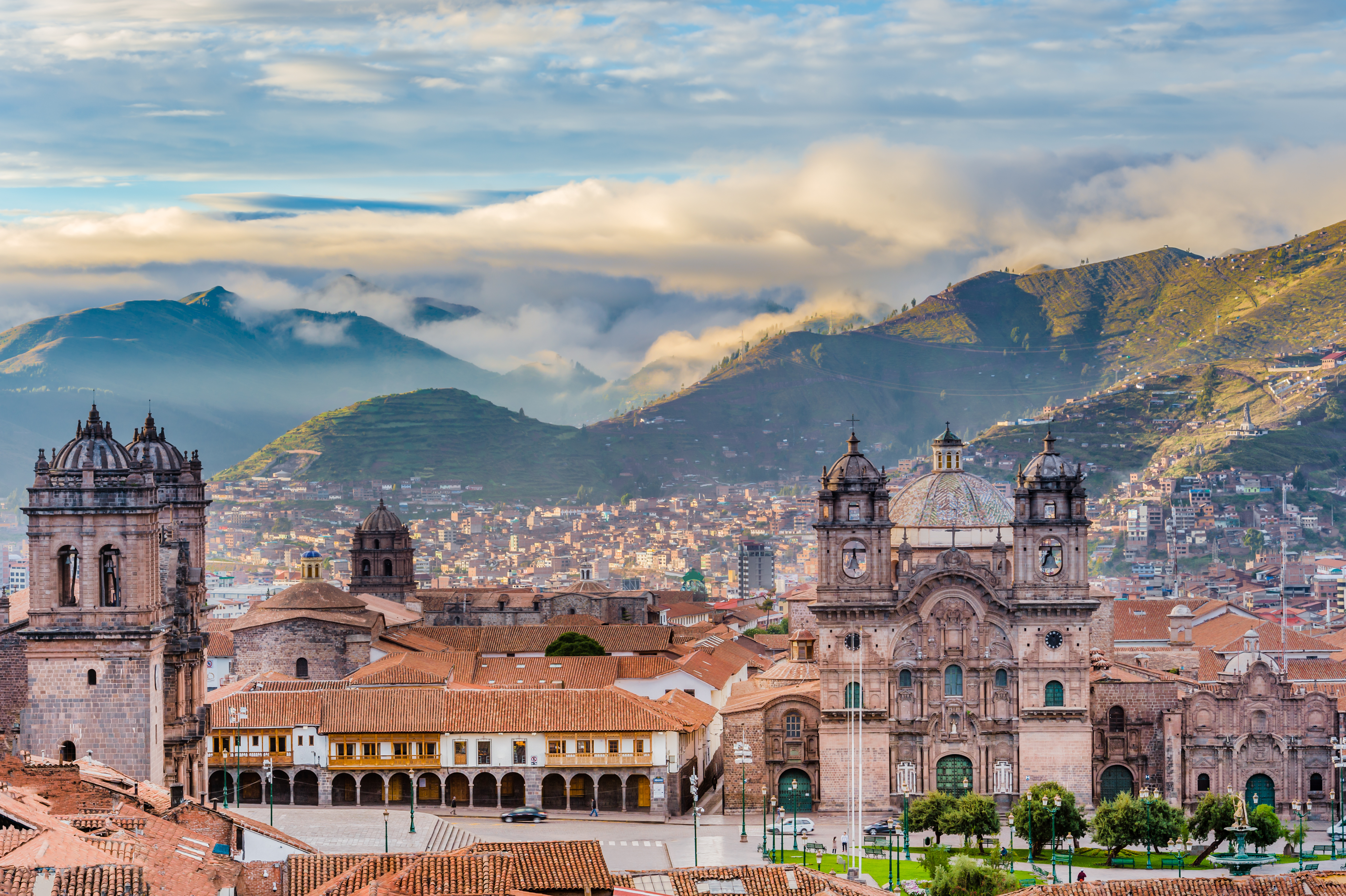
Believe it or not, most of these varieties never reach a grocery store. Families trade them between mountain communities and give them as wedding gifts. Above the town of Pisac, farming families run the Parque de la Papa, where they grow around 1,350 kinds and send seeds to a global seed vault in Norway for safekeeping.
Walls That Dance During Earthquakes
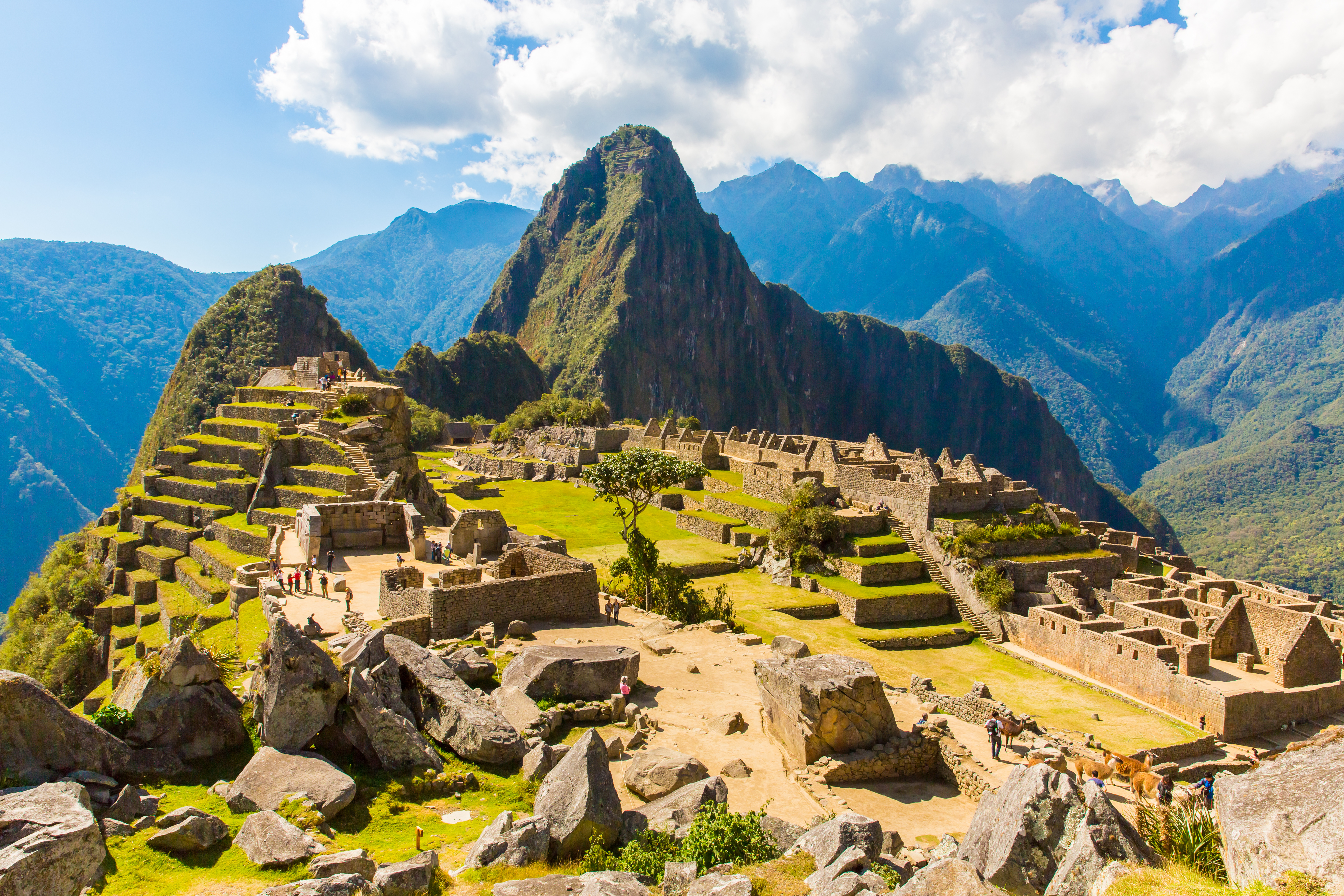
The Inca built Machu Picchu on a high ridge with no cement, no iron tools, and no wheels. Researchers who radiocarbon-dated burials there put the site in use by about 1420. The builders cut each granite block to fit its neighbors, and the seams are so tight you can't slide a knife blade in. Gravity and that fit hold the walls up.
Off Peru's coast, the Nazca Plate slides under South America at about 2.5 inches (65 mm) a year. That collision pushed up the Andes in the first place, and it still sets off earthquakes. When the ground shakes, mortar-free stones can shift a little and settle back into place, which is why people say the walls dance. Archaeologists and engineers debate how much of that the Inca planned, and the walls have stood for more than 600 years either way.
The best bit is the part nobody photographs. Engineer Kenneth Wright, who spent decades studying the site, estimates that about 60 percent of the building effort went underground into foundations, drainage, and preparing the ground. Machu Picchu gets around 80 inches (2,000 mm) of rain a year, and the Inca-engineered drains still carry it away.
A Bird You Can Smell Before You See It
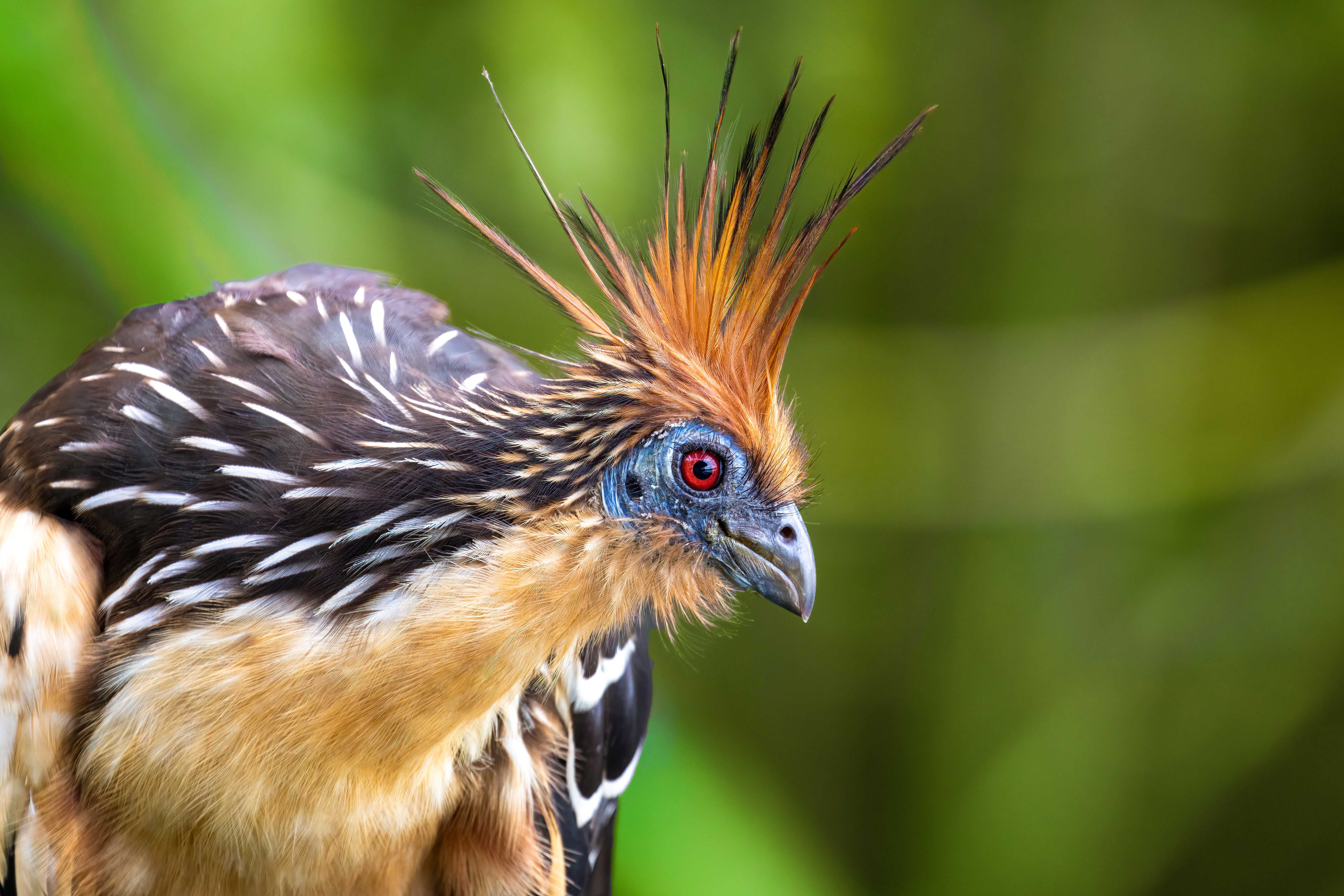
If you visit Peru's Manu National Park and hear something hissing, groaning, croaking, or grunting overhead, don't panic. It might be a hoatzin. If you're still not sure, take a deep sniff. The hoatzin ferments leaves in an oversized pouch in its throat, the way a cow ferments grass in its stomach, and the smell that comes off the bird has earned it a nickname: the stink bird.
No other bird on Earth digests food this way. The pouch takes up so much room that the hoatzin's breastbone shrank to make space for it, leaving less anchor for flight muscles, so these birds are clumsy fliers that spend their days perched over water.
But the chicks have a trick to make up for it. Each one has claws on its wings. When a predator turns up, a chick drops out of the nest into the water below, swims off, and then climbs back up the branches using those wing claws.
Islands Made of Grass
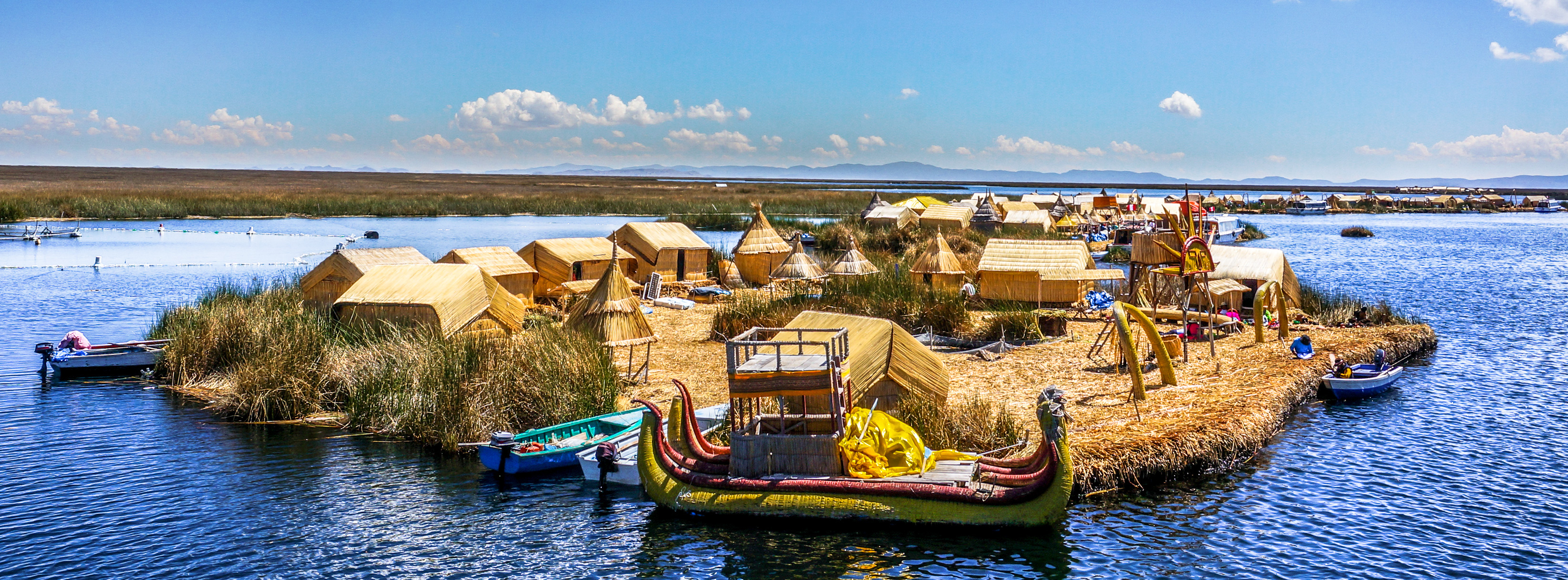
Out on Lake Titicaca, the Uros people live on islands they build themselves. The material is totora, a tall reed that grows in the shallows. They start with blocks of dense reed root, which float on their own, and anchor them to the lake bottom with rope and stakes. Then they pile dried reeds on top, crossing each layer over the last.
The bottom keeps rotting away in the water, so the top keeps getting rebuilt. Families add fresh reeds every week or two in the rainy season and about once a month when it's dry. A well-kept island can last around 30 years. The ground is springy underfoot, and it gives a little when you walk.
Totora does more than hold everyone up. Peel a stalk and the white base inside is good to eat raw, which is why they call it the water banana. The flowers go into tea, and bundles of dried reed become houses, boats, hats, and mats.
The Only Bear in South America
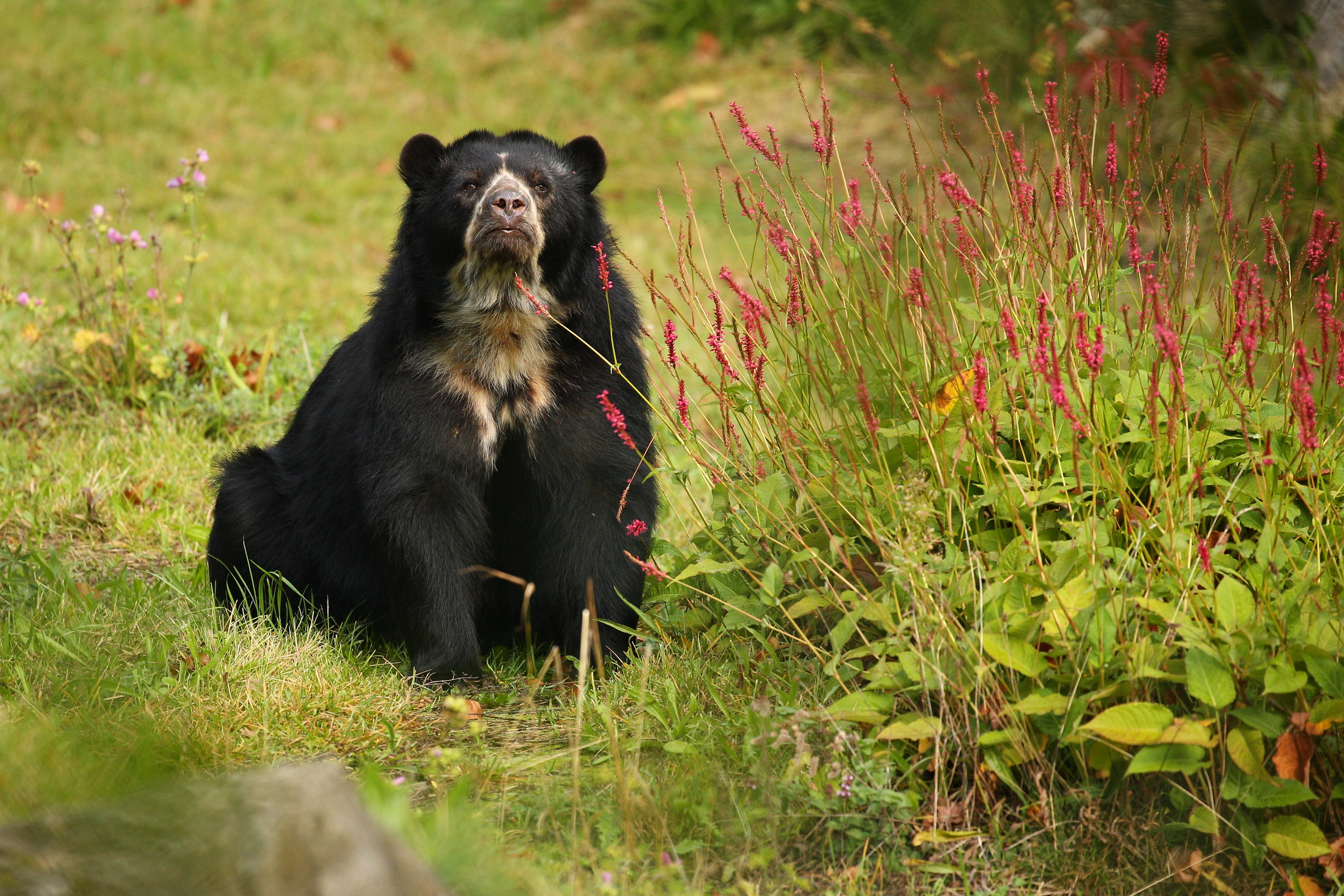
The Andean bear lives in cloud forest along the mountains, from Venezuela down to Bolivia, and Peru holds one of the biggest populations. It's the last of the short-faced bears, a group whose other members died out thousands of years ago. Quechua speakers call it ukuku.
Look at its face and you'll see pale rings looping around the eyes, which is where the other name, spectacled bear, comes from. The markings run differently on every bear, the way fingerprints do, and some bears have none at all. Researchers use those patterns to tell individuals apart on camera traps.
These bears are terrific climbers. Their front legs run longer than their back legs, which helps them get up a trunk, and they build platforms of bent branches in the treetops to eat and nap on. They're also the only bears known to eat bromeliads. Parents may recognize the species from a certain marmalade-loving bear who came from Peru.
There's More to Explore!
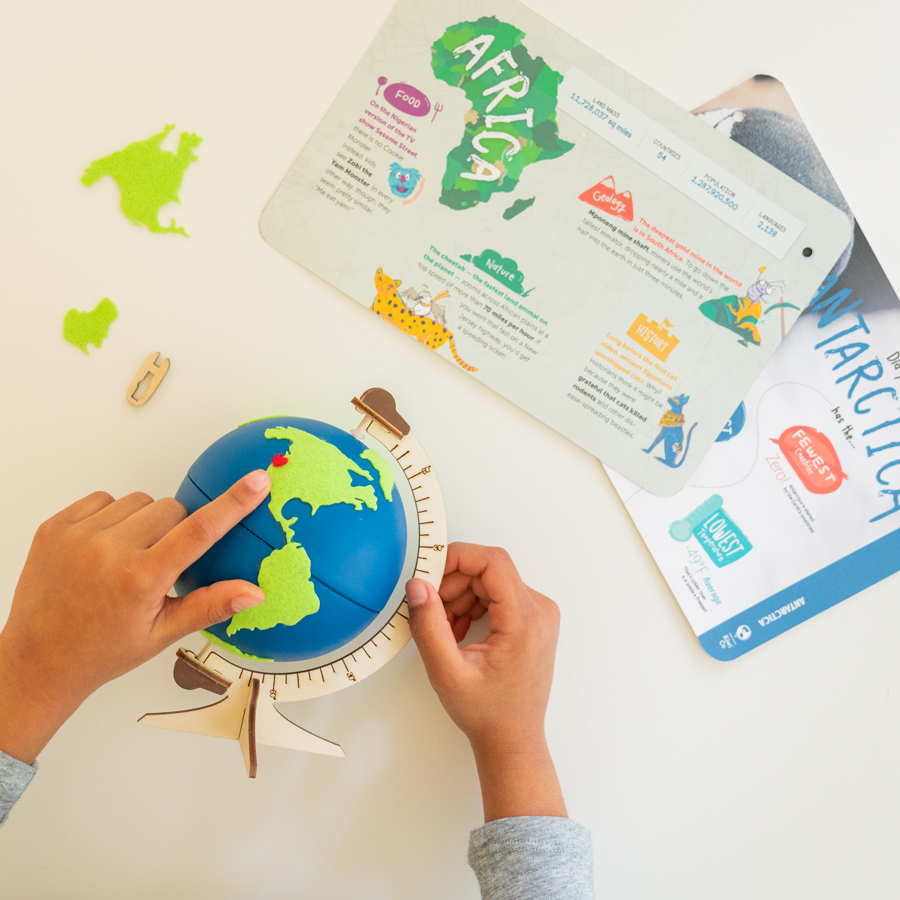
Want to keep traveling? Atlas Crate takes kids ages 6 to 12 to a new country every month with hands-on projects, games, and recipes. For now, pick whichever fact your kid liked best from the list and go find one more thing about it together. If there's a potato in your kitchen, that's a fine place to start.
Tell us in the comments which fact surprised your kid most.