There's a Salamander That Can Regrow Its Own Arms

Meet the axolotl, and say it ah-show-LOH-tuhl. It lives in the canals of Xochimilco, in the south of Mexico City. Those canals are what's left of a wetland that once covered the whole valley, and they're the only place axolotls still live in the wild.
Most salamanders lose their frilly gills and crawl onto land, but axolotls keep theirs and stay in the water their whole lives. Lose a leg and they grow a new one, bones and all, in working order. Scientists around the world study them, hoping to learn how they do it.
Wild axolotls are critically endangered. In 1998, researchers counted about 6,000 for every square kilometer of canal. By 2014 they counted 36. Today scientists think between 50 and 1,000 are left in the wild. People are working hard to change that, and in 2025 researchers reported that the captive-bred axolotls that they released into restored canals and a nearby wetland were able to thrive on their own.
A Butterfly Highway 3,000 Miles Long
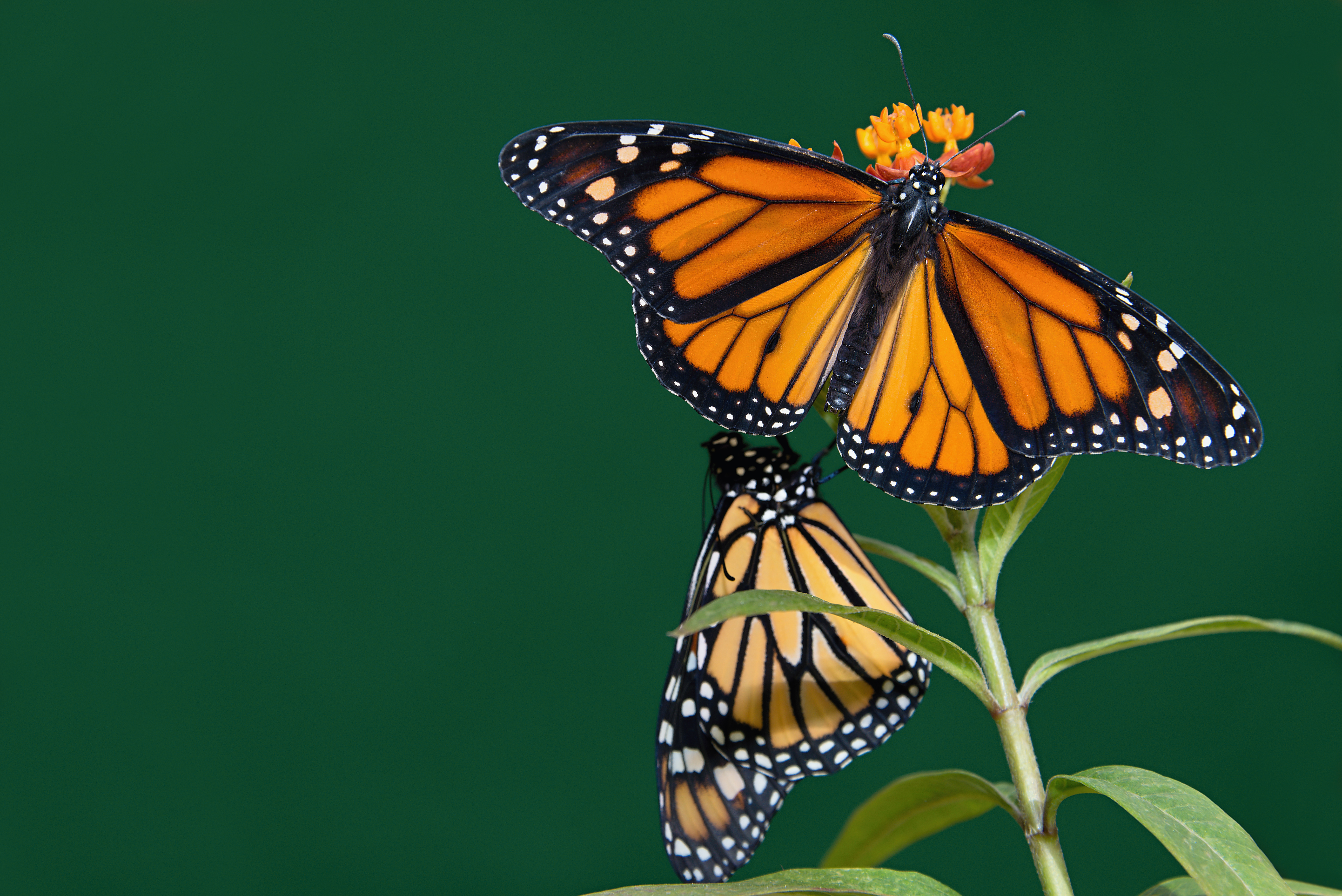
Every fall, monarch butterflies leave Canada and the northern United States and fly to central Mexico, up to 3,000 miles, in about two months. They land in high mountain forests full of oyamel fir trees, also called sacred firs, and cluster on the branches by the millions until the branches sag.
One reason monarchs land in central Mexico is that the forest works like a blanket. It holds the temperature steady and keeps enough moisture in the air that the butterflies don't dry out.
Every monarch flying south is making the trip for the first time. They're the great-grandchildren, sometimes the great-great-grandchildren, of the ones that flew before them. So how do they know where to go?
Monarchs steer by the sun, and they carry tiny clocks in their antennae that keep track of the time of day. That lets them adjust their heading as the sun slides across the sky, the way you'd turn a map to match the road. On cloudy days scientists think they switch to a second system and read Earth's magnetic field. Researchers are still working that part out, which means there's a butterfly mystery out there waiting for somebody to solve.
A Volcano Grew Out of a Cornfield

On February 20, 1943, a farmer named Dionisio Pulido was burning brush in his cornfield in Michoacán when the ground in front of him swelled up and split open. Smoke came out smelling like rotten eggs. Within a few hours the crack was throwing rocks.
By the next morning Pulido's field held a hill 50 meters tall. A week later it had doubled. The volcano, now called Parícutin, kept erupting for nine years and finished at 424 meters, taller than the Eiffel Tower. Lava buried two nearby towns. In one of them, San Juan Parangaricutiro, the church tower still pokes out of the hardened rock, and you can walk right up to it.
Geologists came from around the world to watch, because Parícutin gave them their first chance to document a cinder cone volcano from its first day to its last. Cinder cones get one eruption each. This one stopped in 1952 and hasn't stirred since.
The Dog With (Almost) No Hair
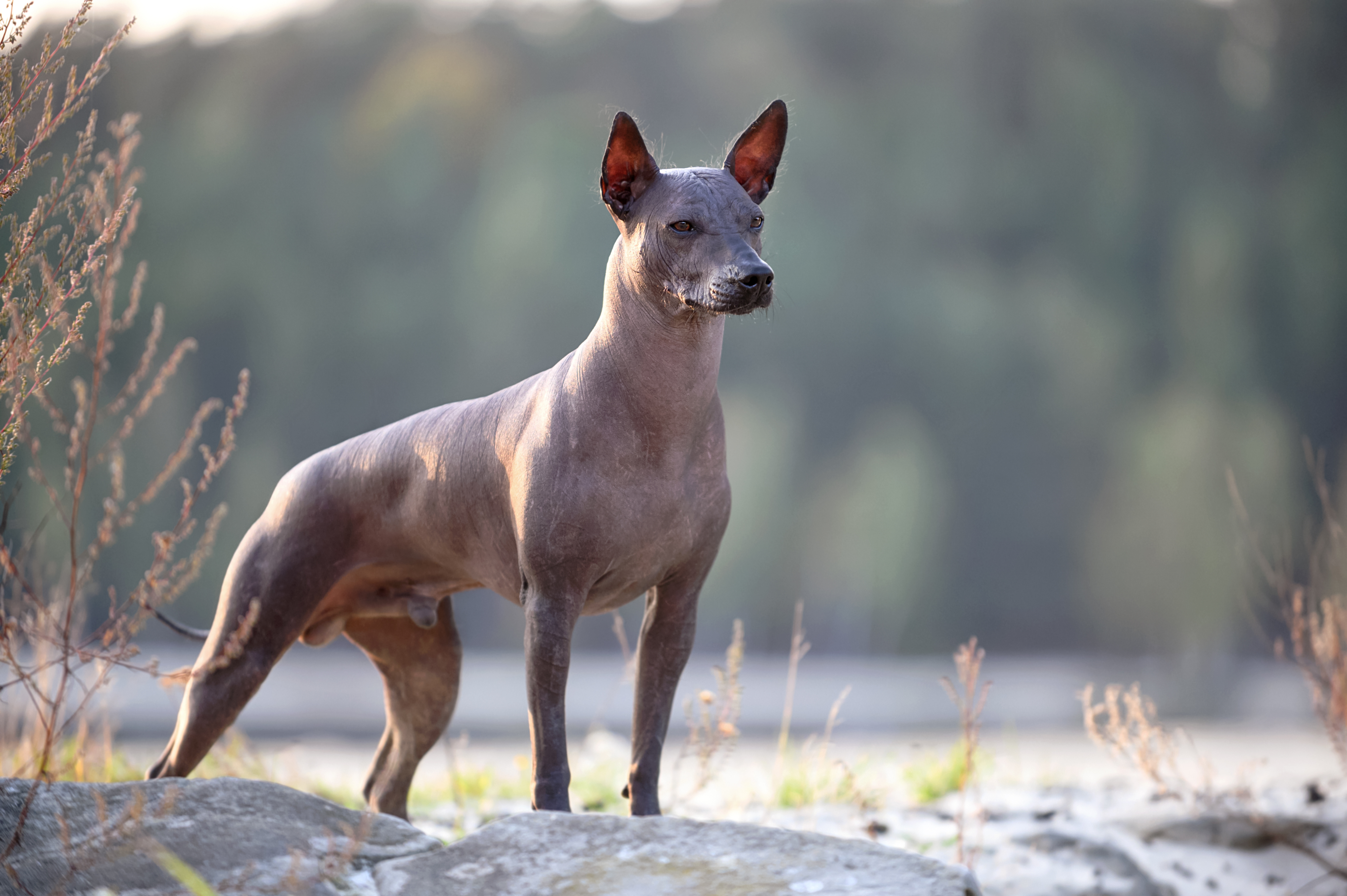
Two top dogs come from Mexico: the tiny Chihuahua and this fur-free fellow. Its proper name is the Xoloitzcuintli, say it show-low-eats-QUEENT-lee, but many call it Xolo for short. Xolos have been around for at least 3,000 years, which makes them older than most countries.
The hairless part comes with a twist. Xolos also come in a coated version with short, dense fur, and both kinds turn up in the same litter of puppies. Their name comes from Xolotl, an Aztec god of fire and lightning who was usually drawn as a dog, and itzcuintli, the Aztec word for dog. The axolotl is named after the same god. Add atl, which means water, and you get a water dog.
An Observatory Built 1,100 Years Ago
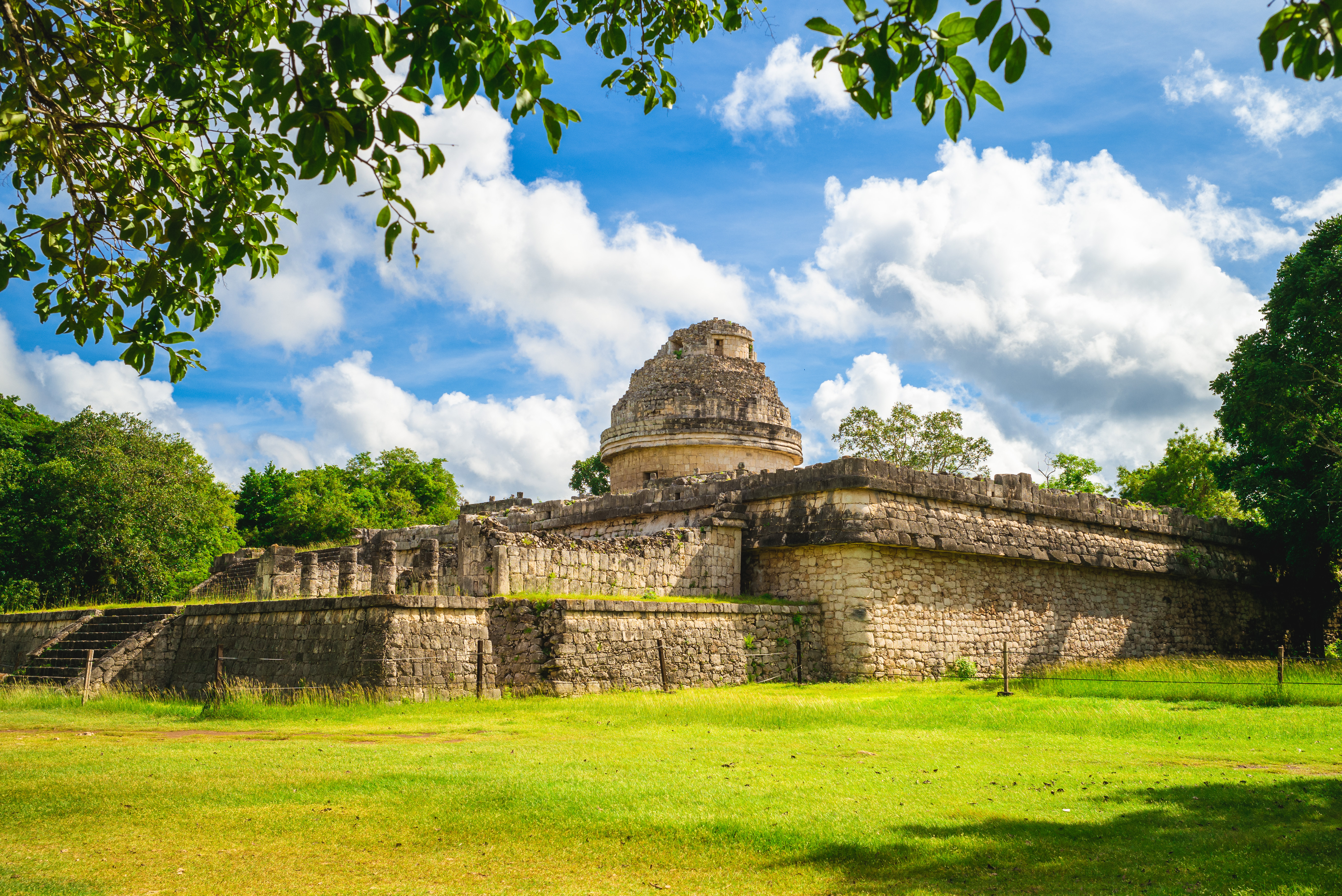
In the ancient city of Chichén Itzá, you can visit the ruins of a round building called El Caracol, which means "the Snail" because of the spiral staircase inside. The Maya astronomers who built it were some of the best sky-watchers in the world.
The windows work like sights. Astronomers lined them up with the exact spots on the horizon where Venus sets, and Venus takes eight years to work through its full pattern of setting points before it repeats. They did it with stone and a lot of patience.
Maya astronomers got good enough at reading the sky to predict eclipses too, though their eclipse math survives in a different place. A folded bark-paper book called the Dresden Codex works like a paper calculator for figuring out when the Sun would go dark, and researchers who tested it against real eclipses found it held its accuracy for centuries.
About That Chocolate
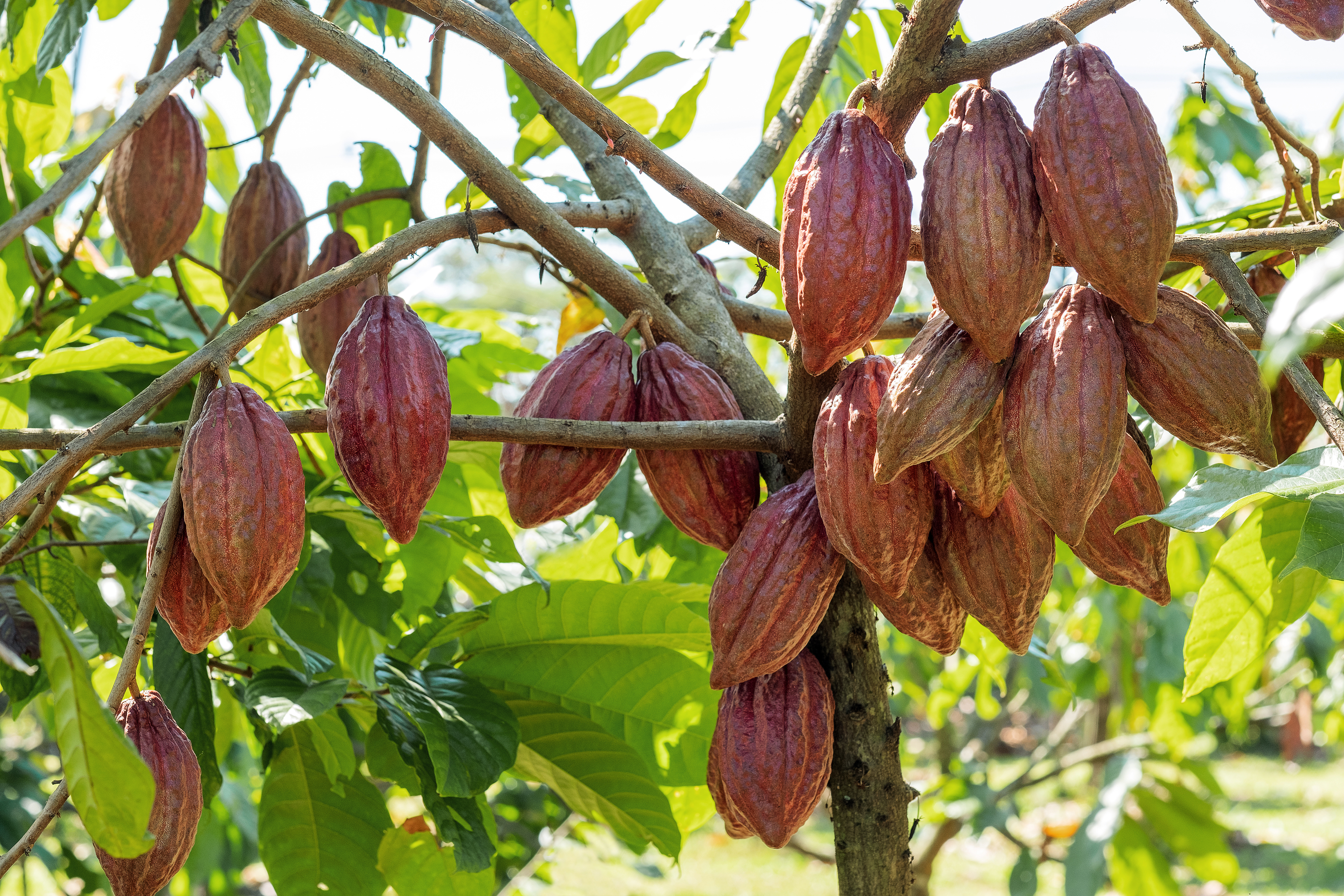
Cacao trees grew first in South America, and it was people in Mexico and Central America who worked out what to do with the beans. They roasted them, ground them, mixed them with water and chili, and poured the drink back and forth between two pots until a thick foam rose on top. Sugar came much later, after Europeans arrived.
The beans were valuable enough to spend. A Nahuatl document from 1545 lists market prices in cacao. One large tomato cost a single bean, a small rabbit cost 30, and a turkey hen cost 100. Kids in an Aztec market could count out beans the way you'd count out coins.
There's More to Explore!
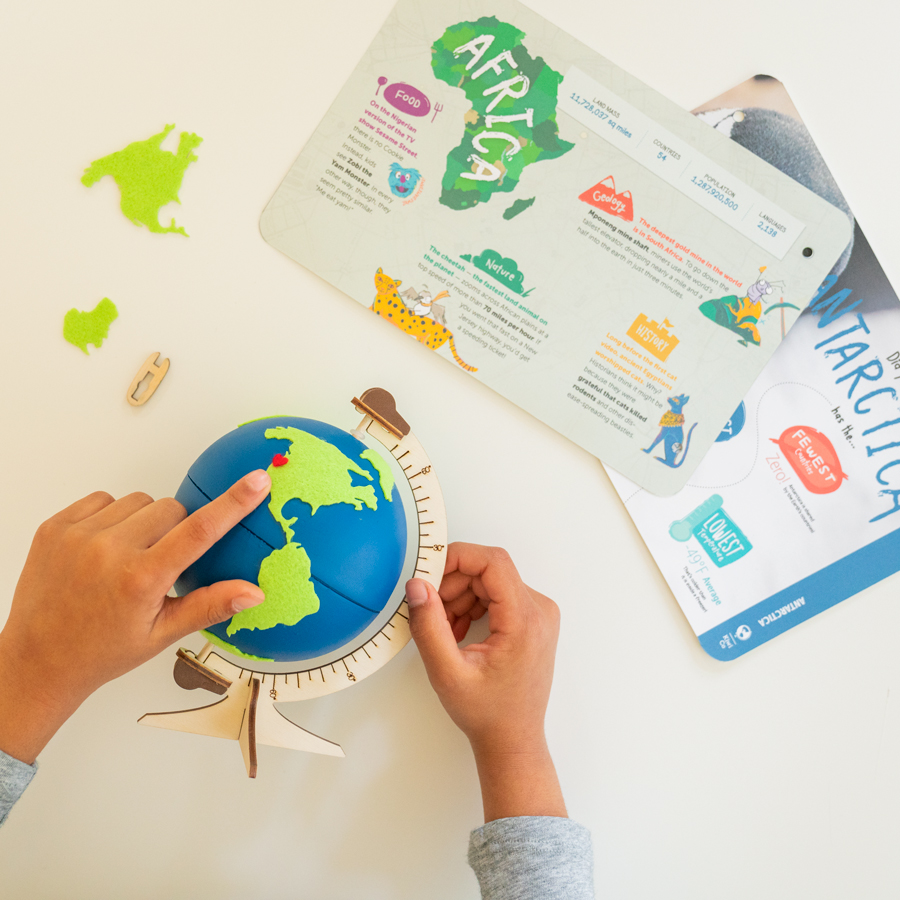
Want to keep traveling? Atlas Crate takes kids ages 6 to 12 to a new country every month with hands-on projects, games, and recipes. For now, pick whichever fact your kid liked best and go find one more thing about it together.
Tell us in the comments which fact surprised your kid most.