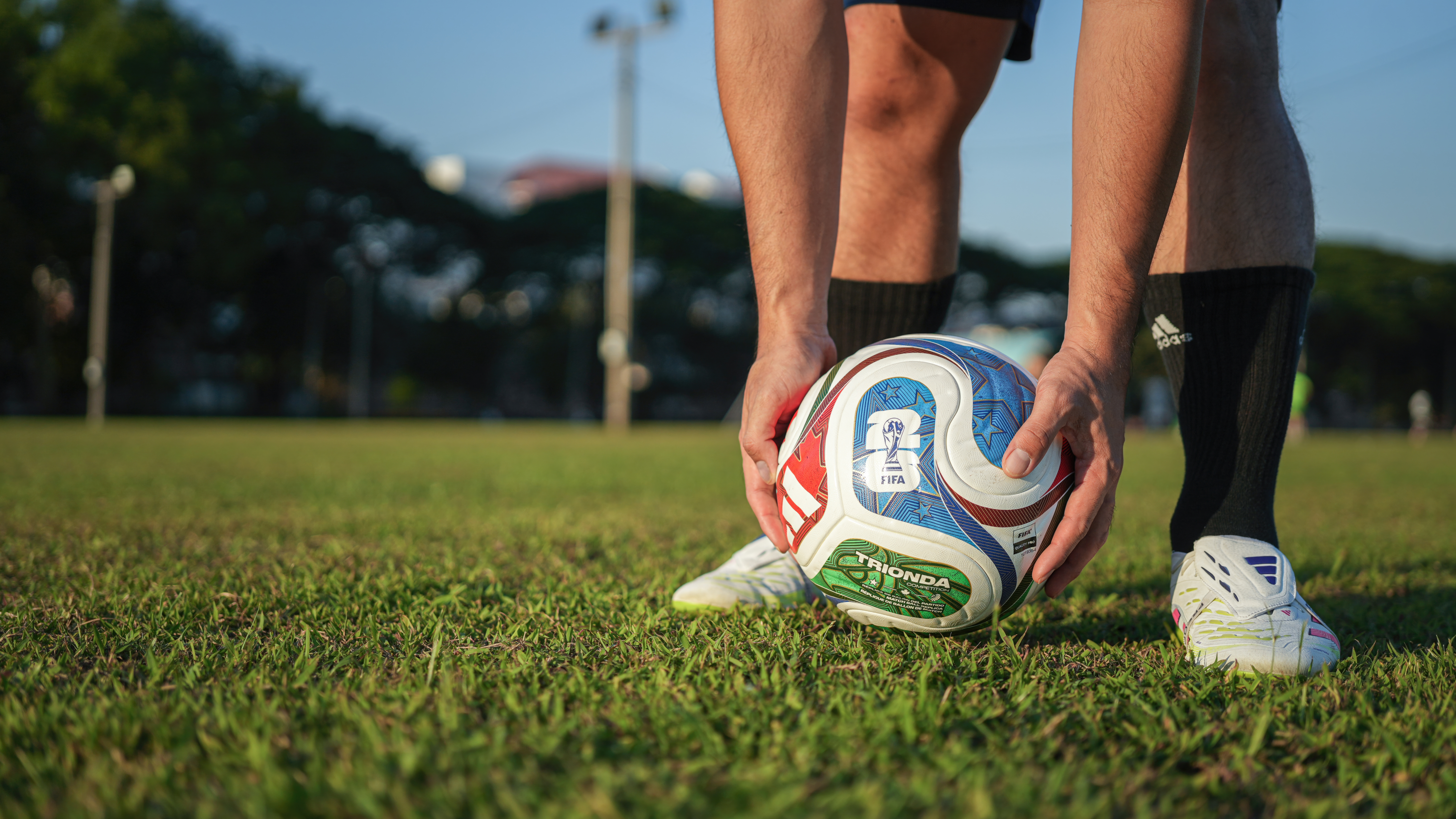
The 2026 FIFA World Cup starts June 11, and for the next 39 days, 48 teams will compete across the US, Canada, and Mexico in the biggest soccer tournament in the world. Your kid is probably going to watch a lot of it. And without knowing it, they're going to watch a lot of physics.
Every curving free kick, every wobbling shot, every save a goalkeeper makes in the last half-second before the ball hits the net, all of it runs on science. Here's what's actually happening.
The kick that shouldn't curve
Watch a free kick from outside the penalty box and you'll often see the ball bend around the wall of defenders and swing into the corner. It looks like a magic trick, but it's not.
When a player strikes the side of the ball, they put spin on it. That spin drags a thin layer of air around the ball as it flies. On one side of the ball, that moving air speeds up. On the other side, it slows down. Faster-moving air creates lower pressure. So the ball gets pushed toward the low-pressure side, curving in that direction.
This is called the Magnus effect, named after German physicist Gustav Magnus, who formally investigated it in 1852. But the observation goes back further than that. Isaac Newton first described it in 1672, after watching tennis players at his Cambridge college and noticing how a spinning ball curved in flight. It took another two centuries before Magnus ran the experiments that gave the phenomenon its name. Brazilian fullback Roberto Carlos put it to spectacular use in one of the most famous goals in history, a bending free kick against France in the 1997 Tournoi de France that curved so far it fooled everyone in the stadium, including the goalkeeper. He hit the outside of the ball with such force and spin that physics did the rest.
Your kid can feel this at home. Hold a soccer ball, spin it in one direction and toss it gently. It curves using the same science, just on a smaller stage.
The shot that no one can predict
There's a second kind of shot that works the opposite way. A player strikes the ball dead center, with almost no spin at all. Instead of curving predictably, the ball wobbles. It dips and shifts direction unpredictably mid-flight.
Without spin, air pressure on all sides of the ball is uneven and keeps changing as the ball moves. There's nothing consistent pushing it one way. So it moves erratically, making it extremely hard for goalkeepers to track.
Soccer players and coaches call this a knuckleball, borrowed from baseball. The best free kick specialists have learned to use both: the curving shot to bend around walls, the knuckleball to deceive. Two opposite techniques, both explained by the same underlying physics of air pressure.
The save that happens before you see it
A penalty kick from the spot reaches the goalkeeper in roughly 0.4 seconds. The average human reaction time is around 0.2 seconds, but moving the whole body across a goal is a different matter. By the time the brain sees the ball, processes it, and fires the right muscles, there's almost no margin left.
So how do elite goalkeepers make saves?
They don't wait for the ball. They read the kicker's body before the ball is struck: the angle of the hips, the position of the plant foot, the direction of the eyes. Their brain processes dozens of visual cues in a fraction of a second and triggers a movement before the kick even happens.
Research on elite goalkeepers shows they focus more selectively on the kicker's legs than novices do, picking up directional cues earlier and more accurately. That precision comes from thousands of hours of practice, which physically rewires the brain's neural pathways to process and respond faster.
What this looks like off the field
The same principles kids see in a World Cup match, spin, pressure, trajectory, reaction time, show up everywhere: in how a curveball breaks in baseball, how a tennis player puts topspin on a shot, how a pilot adjusts a plane's angle to gain lift.
Physics doesn't live in a textbook. It runs through every sport your kid watches, every ball they kick, every game they play.
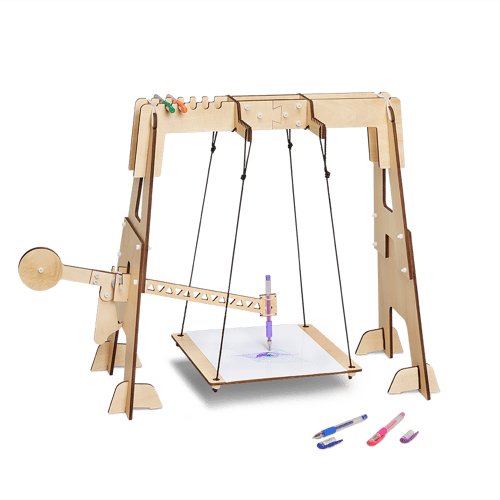
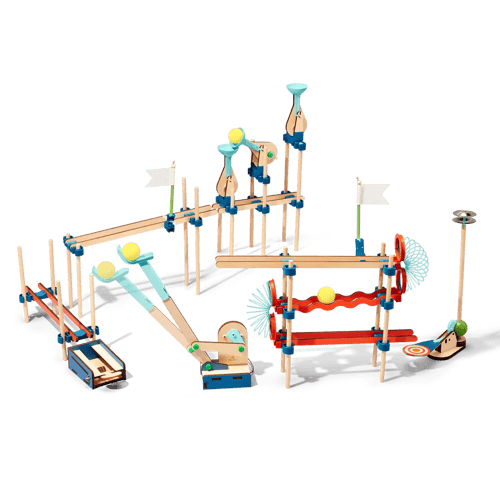
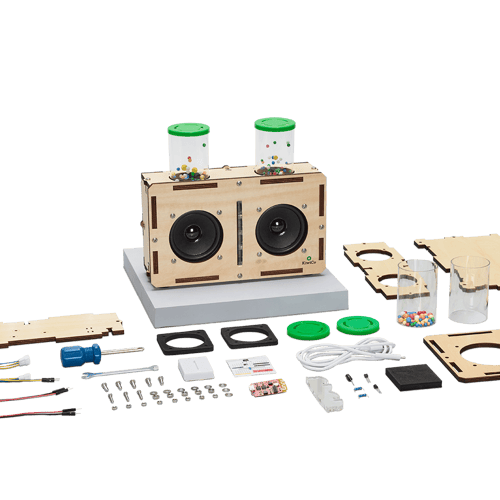
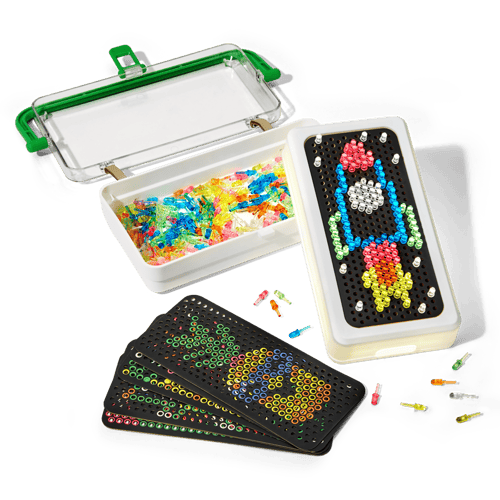
If your kid is the kind of person who wants to know why things work, not just that they do, Tinker Crate and Kiwi Crate are built for them. Each month brings a hands-on STEM project that turns concepts exactly like these into something they can build, test, and figure out themselves. And if the World Cup has your kid curious about the 48 countries competing this summer, Atlas Crate takes kids on a hands-on journey through world cultures, one country at a time.
Did something in a World Cup match make your kid ask why? Tell us in the comments.