Heat doesn't move in one direction
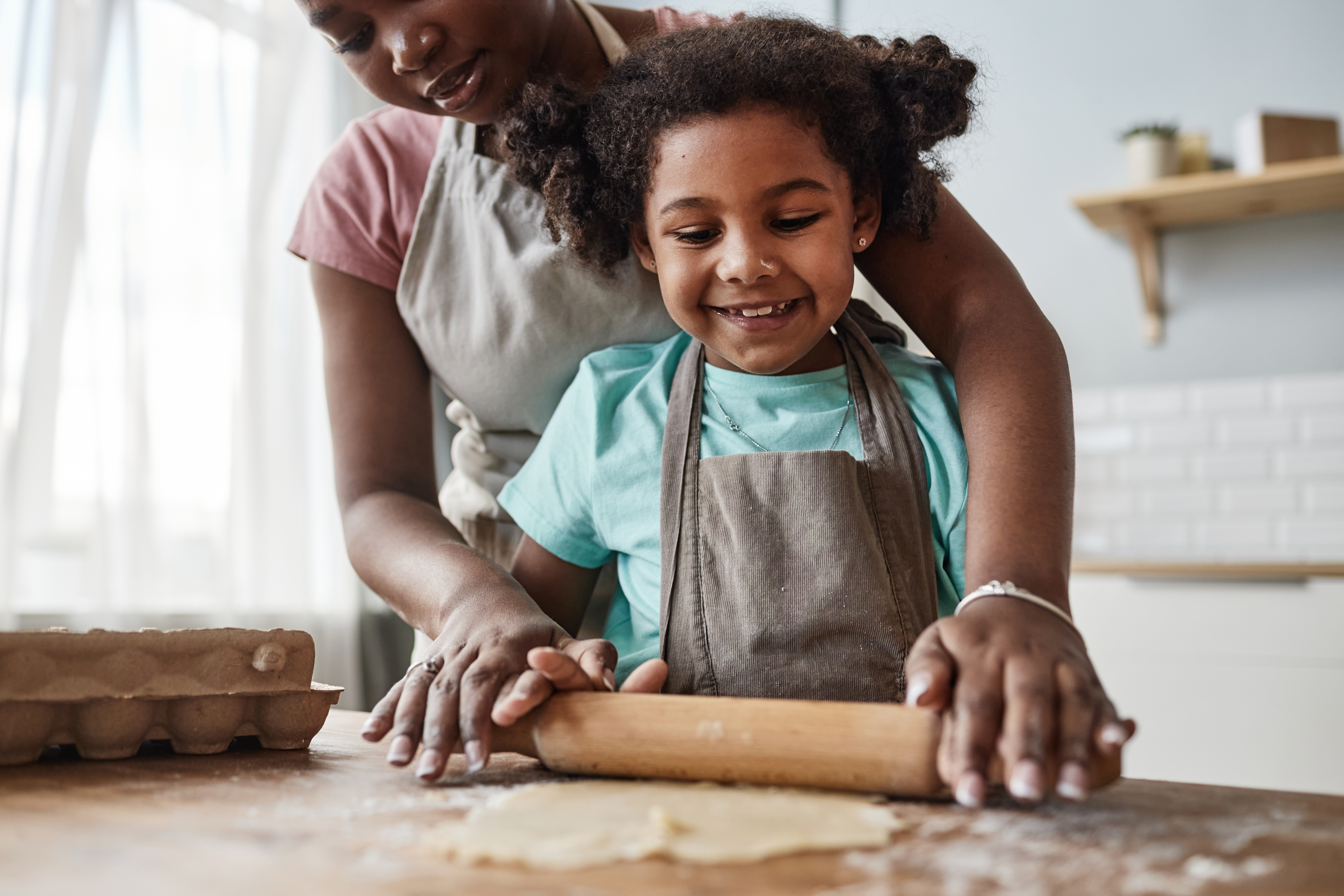
Put a pan of dough in the oven and three kinds of heat transfer kick in at once. Conduction moves heat directly from the pan into the bottom of the dough. Convection circulates hot air around the outside, cooking the surface. Radiation beams heat from the oven walls straight into whatever's inside. That's why the bottom of a loaf browns faster than the top or sides, and why oven placement matters more than most recipes admit.
Try it together: bake the same dough on different racks and see what happens.
Steam is doing invisible work
When dough hits a hot oven, the water inside begins to evaporate. That moisture, along with any steam in the oven chamber, keeps the crust soft and flexible long enough for the dough to fully expand before the crust sets. Bakers who want a crispier crust will sometimes add a pan of water to the oven at the start of a bake, deliberately creating steam in the chamber. More steam early on keeps the crust pliable longer, giving the dough more time to rise before it locks into place.
If you pull that pan of water out too soon, you get a different loaf entirely.
Dough is a structure under construction
As temperature rises, something shifts: the dough stops being flexible and starts being solid. Proteins set, starches gelatinize, and the whole thing locks into place. This is why you can't rescue an overbaked loaf by pulling it out early. The structure has already committed.
It's a good moment to talk about irreversible processes. These are changes you can observe, but can't undo. Melting ice is reversible, but baking dough is not.
Air is an ingredient too
When you cream butter and sugar, or whisk eggs, you're folding air into the batter. That air expands in the oven's heat, contributing to rise alongside whatever leavening agent you're using. It's one reason technique matters in baking in a way it doesn't always matter in cooking. How you mix something changes the physics of what happens next.
It's one of those moments where a failed bake becomes the most useful lesson.
Baking covers more science than most kids realize. KiwiCo's Science of Cooking Bundle covers all of it — bread, ice cream, and mini cakes — with hands-on experiments and recipes that make the science visible. It's three kits delivered together, each one built around a different corner of kitchen science.
What physics question has come up at your house during a bake? Share it in the comments.