Dolphin moms literally sing their baby's name
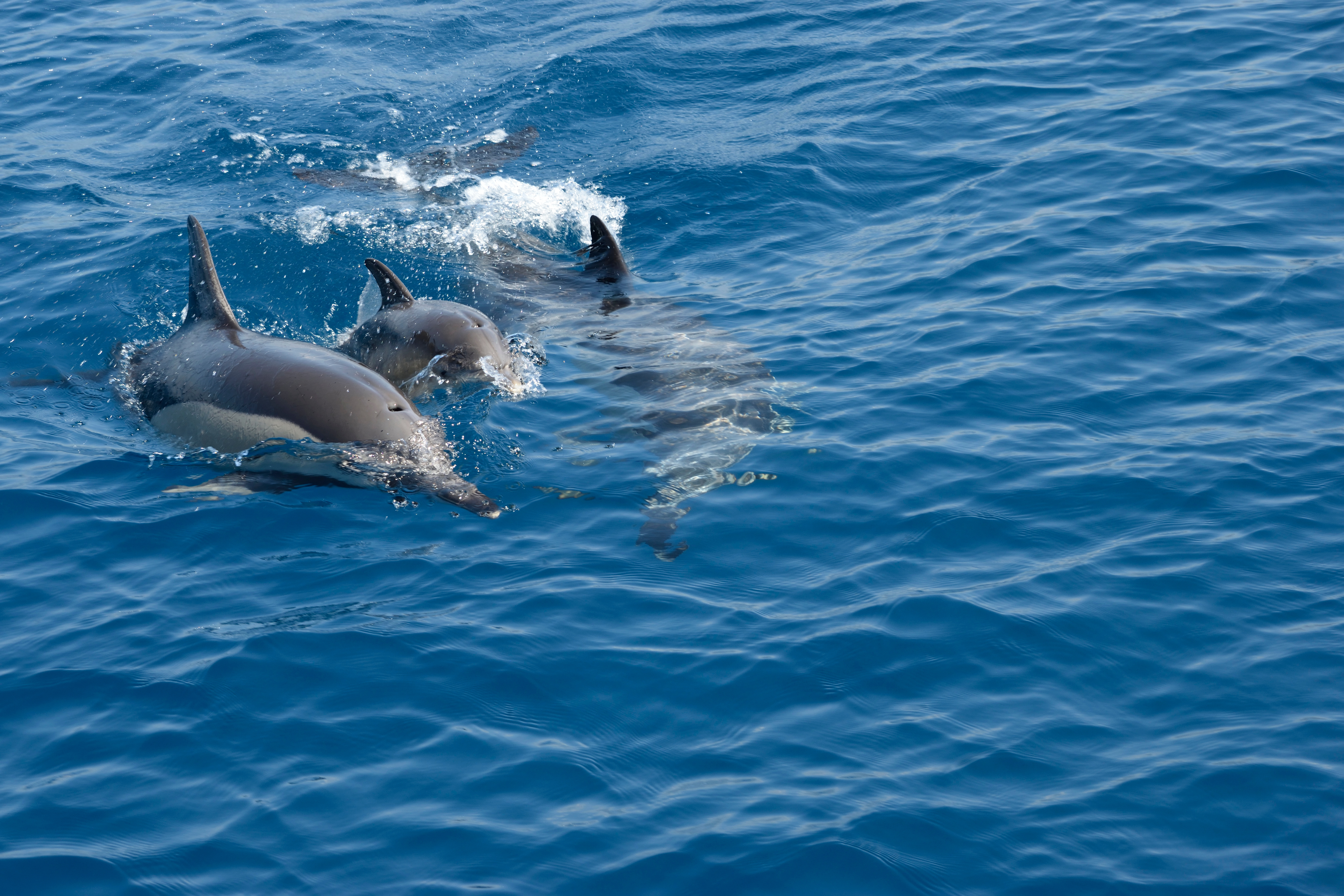
Dolphin moms start parenting before their calves are even born. Research from the University of Southern Mississippi and the Woods Hole Oceanographic Institution found that mother dolphins increase their signature whistle production in the weeks before birth and in the two weeks after, essentially teaching their calves a unique sound to identify them for life. That whistle stays with a dolphin forever, used to find family members across open water and signal its own identity to the pod.
The care doesn't stop there. Bottlenose dolphin moms create a slipstream in the water so their newborns can swim alongside them without burning out. Calves stay close for years, learning by watching and following. The whole relationship is patient and communicative from day one.
Elephant moms are basically living GPS systems
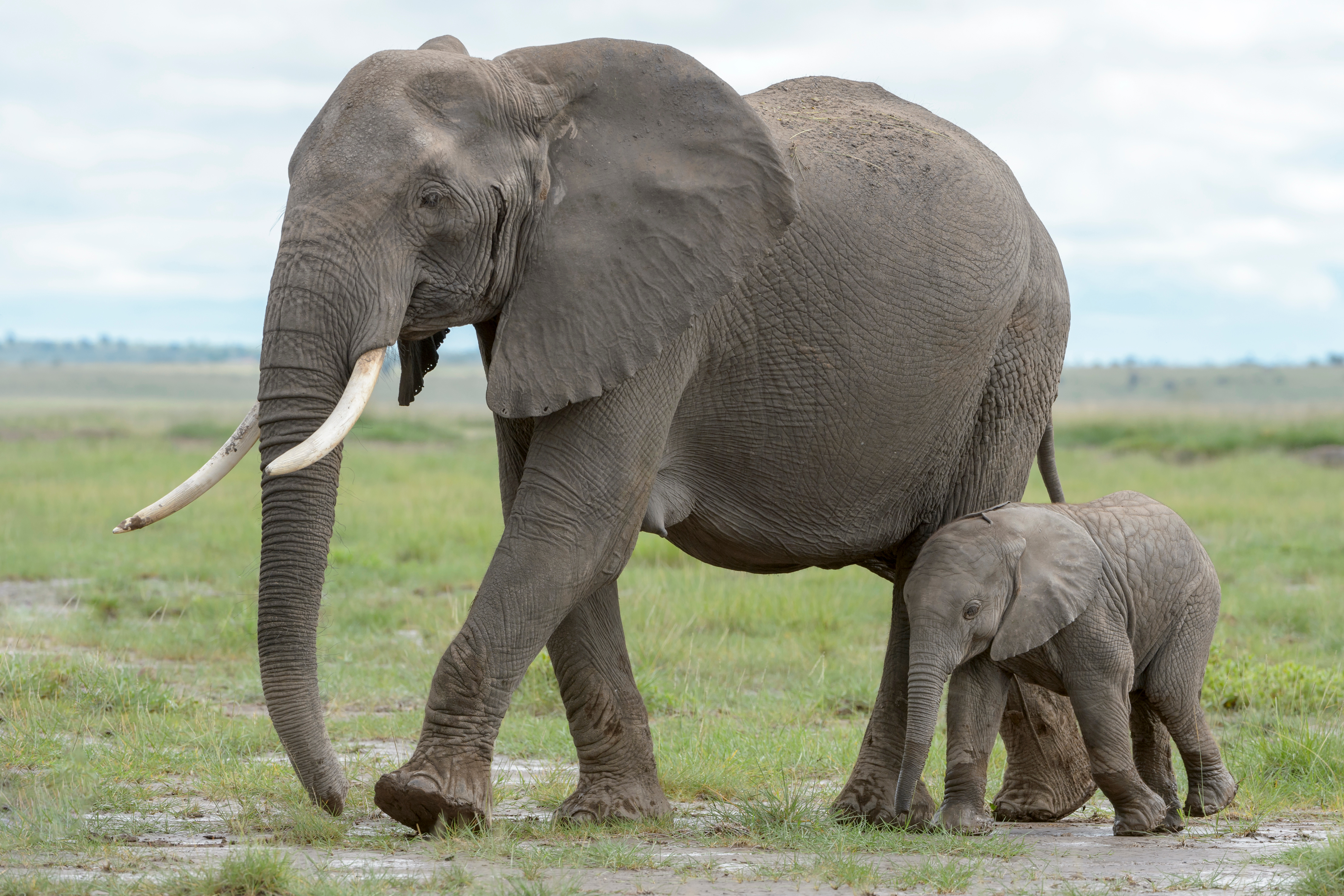
At the heart of every elephant herd is the matriarch: an older female who leads migrations, remembers watering holes, and alerts younger elephants to dangers. Her role is practical and essential, built over decades.
Researchers have documented herds returning to grazing lands over 60 miles away after decades of absence, with the matriarch navigating the route from memory, learned from her mother, who learned from hers. Calves pick up survival behaviors, including how to feed, bathe, and interact socially, by watching the adults around them. The whole herd is a classroom. And when it's time to leave a watering hole, the matriarch gives what researchers call the "let's-go rumble," kicking off a coordinated series of vocalizations before the family departs together. Even leaving is a lesson worth passing down.
Orangutan moms are in it for the long haul
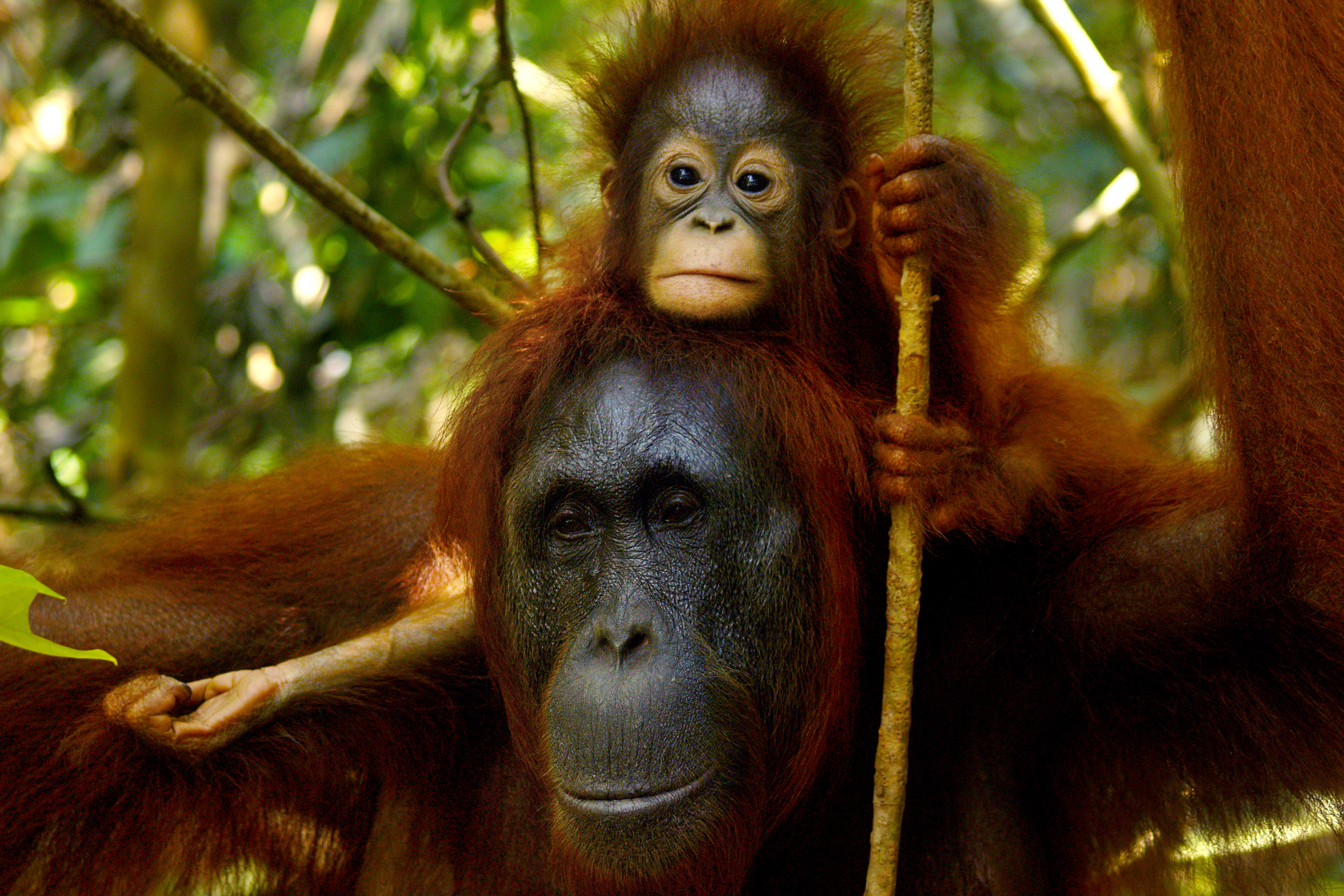
For the first two years of life, young orangutans rely entirely on their mothers for food and transportation. Mothers stay close for six to seven years, teaching their young where to find food, what to eat, and how to build a sleeping nest. Six to seven years of patient, side-by-side learning.
Orangutan motherhood is deliberate in a way that's hard not to admire. Moms demonstrate techniques, wait, and let their young practice. Female orangutans are known to visit their mothers until they're 15 or 16, long after they're capable of living independently. The bond doesn't end when the teaching does. It just keeps evolving, which feels pretty familiar.
The octopus mom who gives absolutely everything
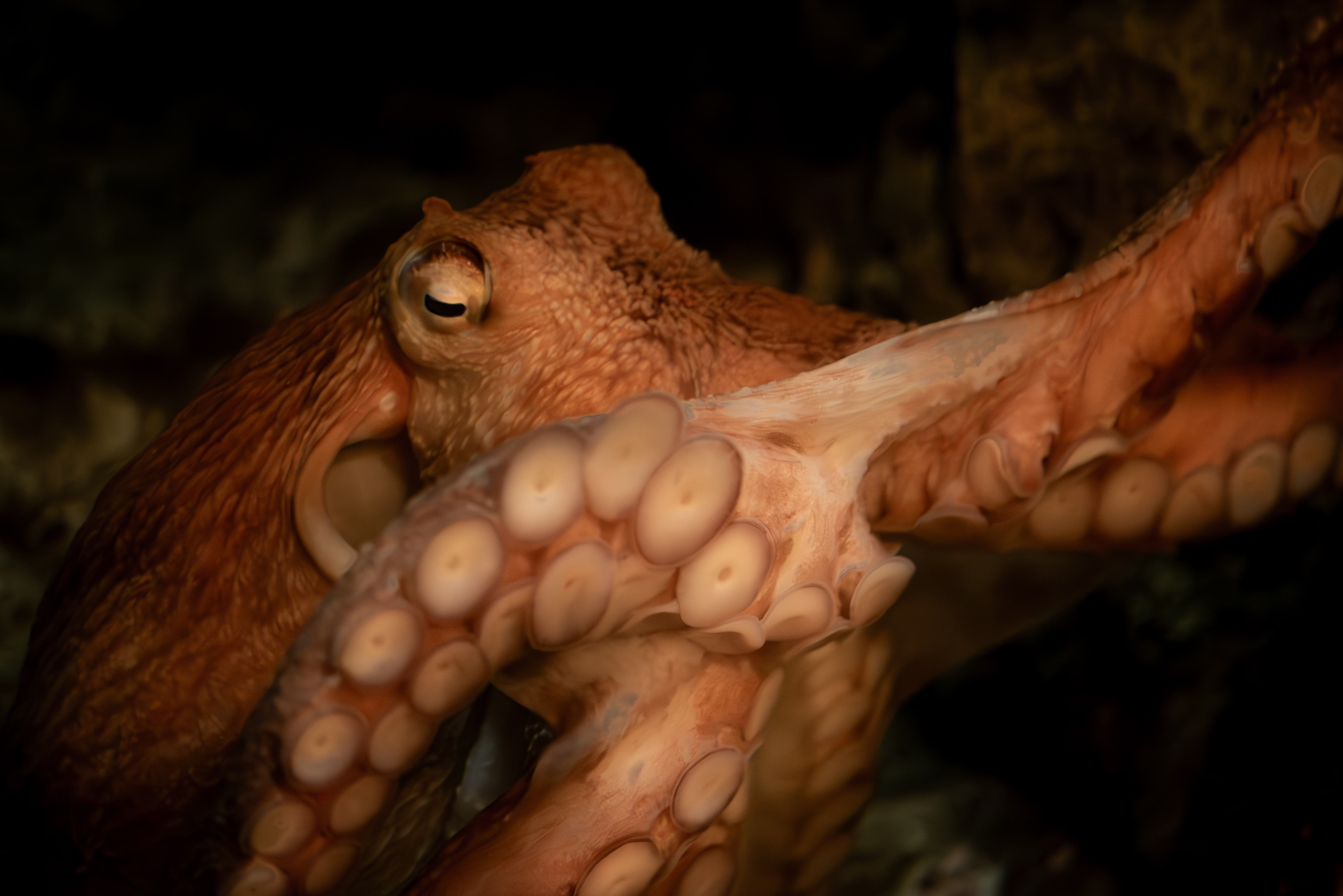
A female giant Pacific octopus lays an average of around 50,000 eggs. Once she does, her world narrows to one focus. She stops eating and spends the next five to seven months guarding her eggs, aerating them with her arms to keep oxygen moving, cleaning them to fend off infection, and staying close enough to protect them from anything that wanders near.
Octopuses are highly intelligent animals, capable of problem-solving and complex behavior, and every bit of that intelligence goes into this stretch of her life. When the eggs hatch, she uses her siphon to blow the hatchlings out into the open ocean, giving them the best possible start. Months of devotion, and then off they go.
Blue whale moms produce 50 gallons of milk. Per day.
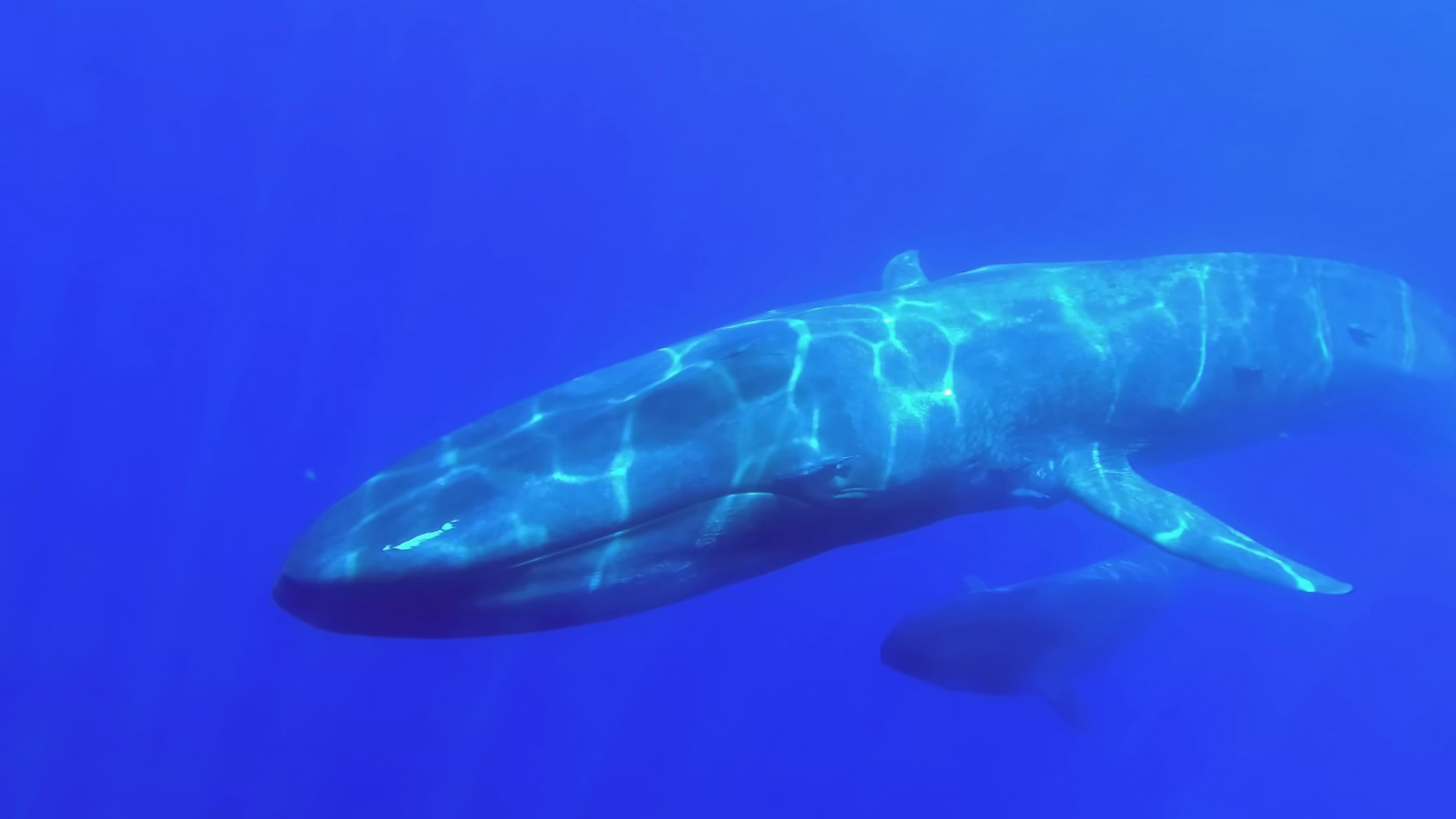
According to National Geographic, blue whale mothers produce around 50 gallons of milk per day. Their calves gain roughly 200 pounds daily during nursing, growing fast enough to hold their own in the open ocean. The sheer scale is staggering, but so is the commitment behind it.
Blue whales are largely solitary animals. During nursing, which lasts five to seven months, the mother and calf travel together as the calf learns to surface, breathe, and move through open water. For that stretch of time, they're each other's whole world. The largest animal ever to live on this planet is, at its core, a devoted mom.
Lion moms don't do it alone
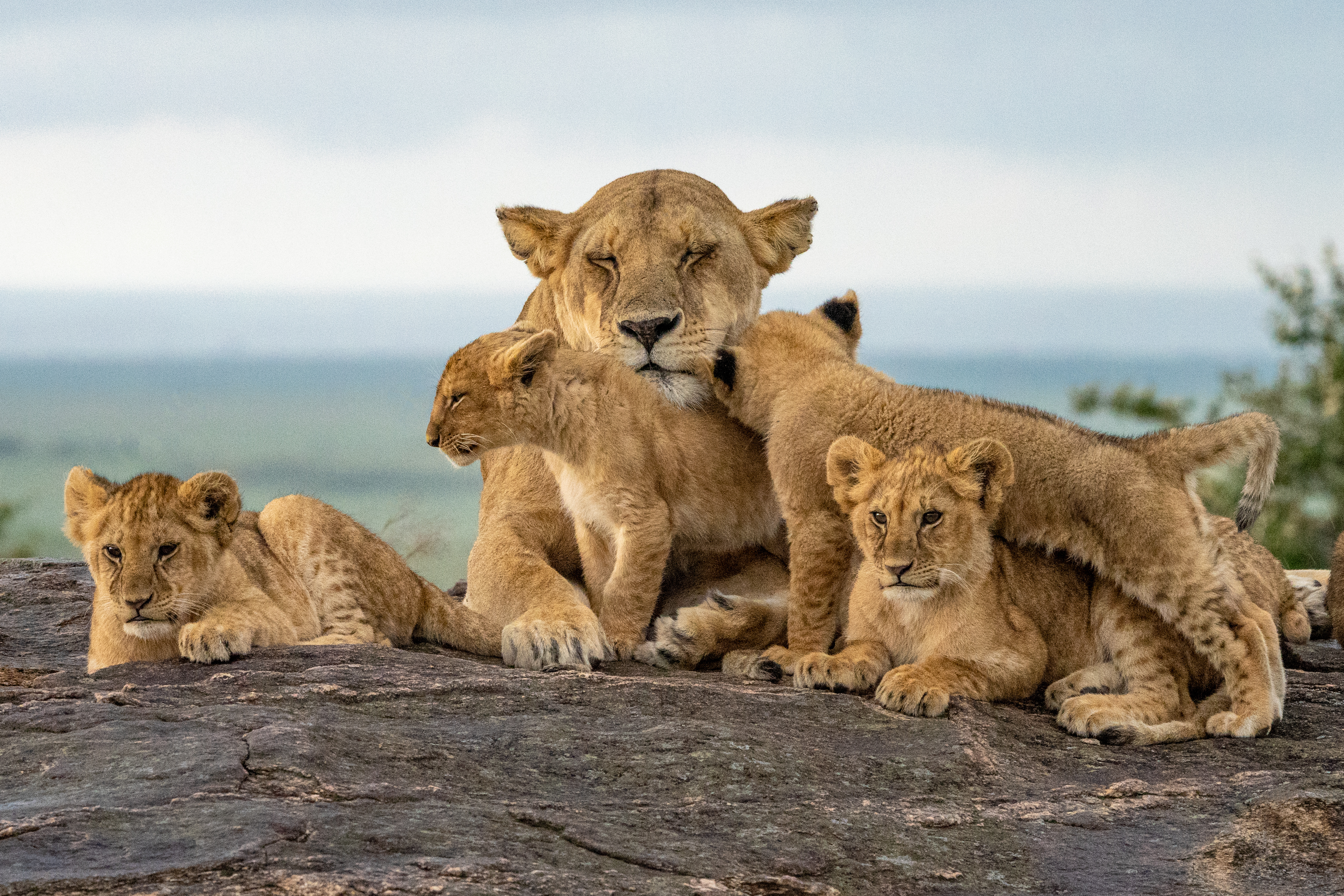
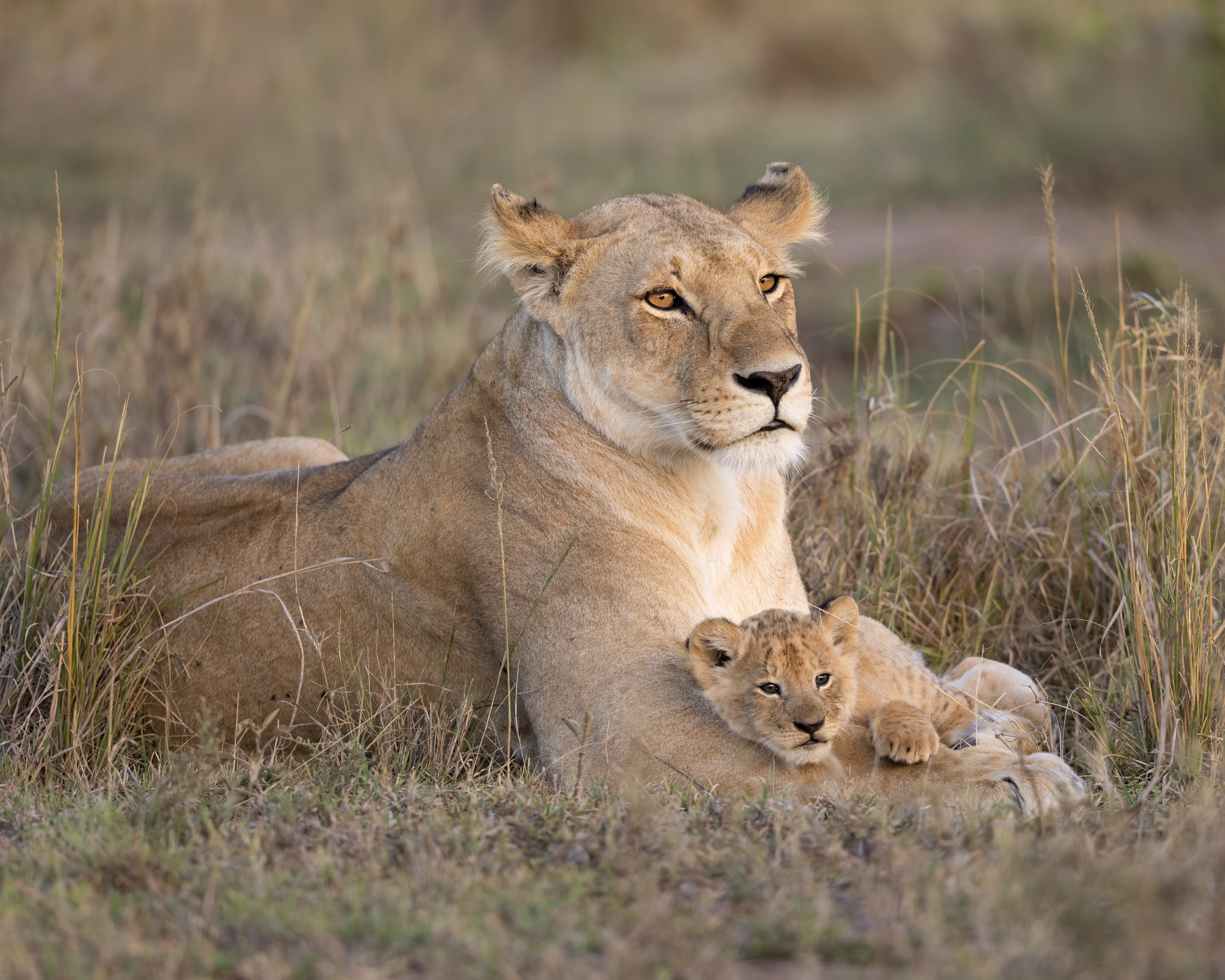
In lion prides, females often give birth around the same time and raise their cubs communally, with multiple mothers watching over the group together. Researchers have documented this cooperative care, known as allonursing, across lion populations, with females nursing each other's cubs and coordinating protection as a group. Every cub in the pride has a village behind it.
Happy Mother's Day to every mom finding her own way to show up. You're in excellent company.
Which of these blew your mind the most? Drop it in the comments.