On a warm evening the air over a backyard gets busy, and most of that traffic is insects. Insects were the first animals to fly, taking off more than 400 million years ago, well before birds or dinosaurs existed, and their descendants have been improving on the idea ever since. Here are five of our favorites.
Dragonflies aim where their food is going to be
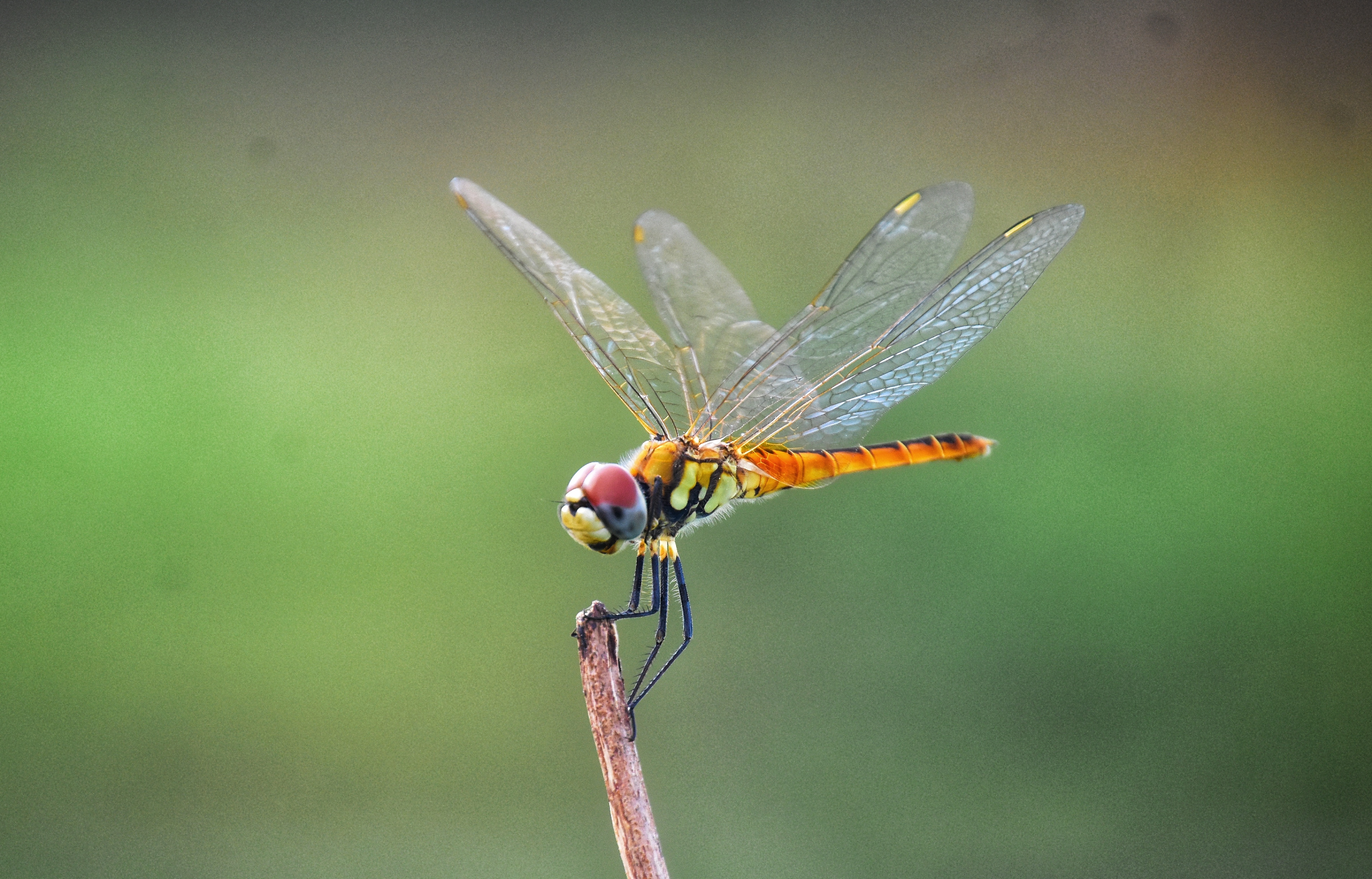
If you've ever watched a dragonfly over a pond, you've seen it stop dead in the air and then take off sideways. Researchers who filmed dragonflies hunting found something better than fast reflexes: the dragonfly flies to the spot where its prey is going to be. It keeps its head locked on the target, swings its body onto the prey's flight path, and usually attacks from below, where it's hardest to spot.
Steering like that takes unusual wings. Most insects flap by squeezing the middle of their body, which moves all the wings together. A dragonfly's muscles attach right to the base of each of its four wings, so it can work them one at a time. That's how it hovers in place and flies backward.
Hoverflies come with a built-in balance sensor
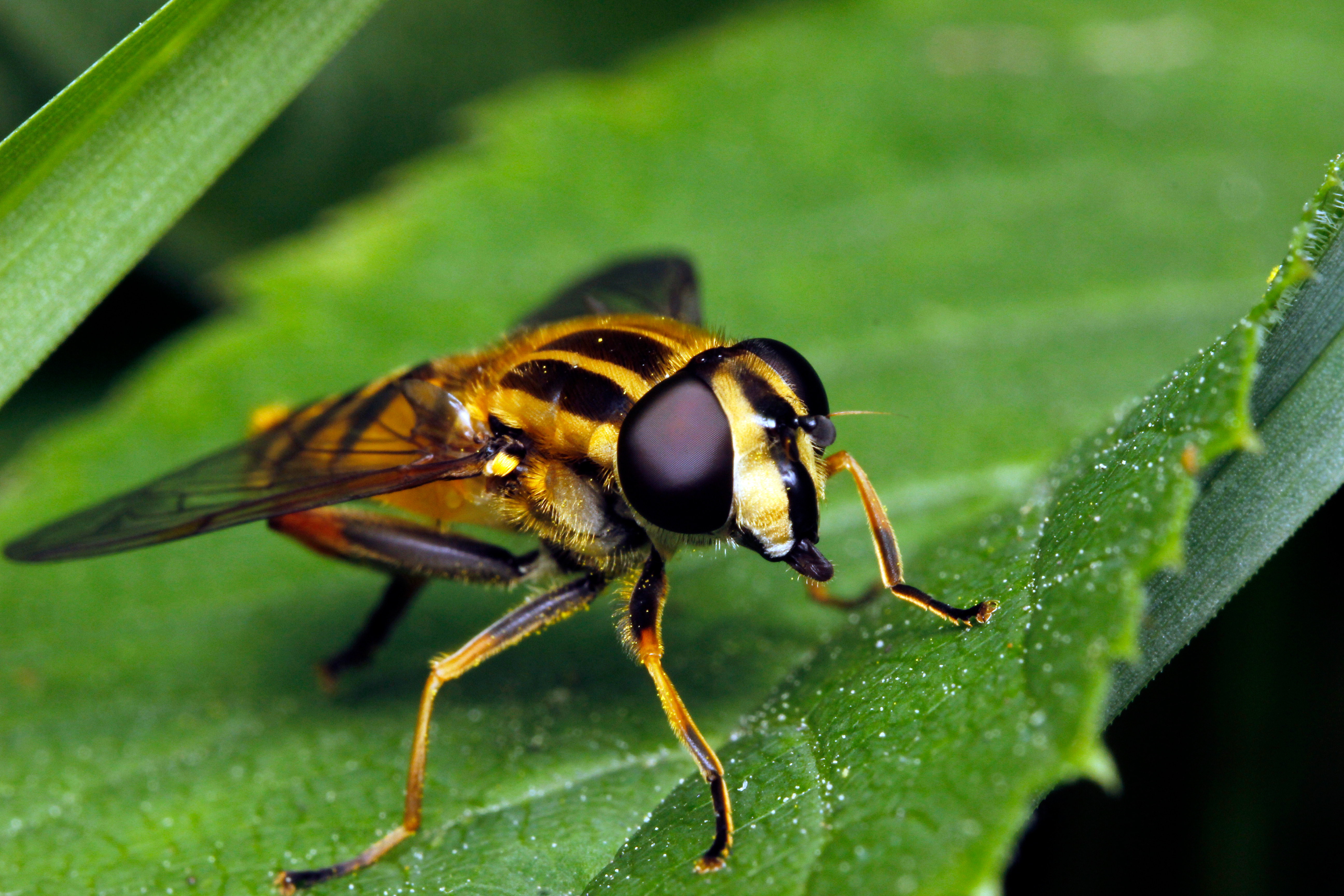
A hoverfly can hold one spot in midair like it's parked there. Behind its wings sit two tiny stubs shaped like drumsticks, called halteres, and they used to be a second pair of wings. Now they swing along with the real wings and sense which way the body is turning, doing roughly the job your inner ear does when you spin around. Researchers tested them by dropping hoverflies upside down. The flies flipped themselves right side up in about a twentieth of a second, rolling over by beating one wing harder than the other.
Ladybugs keep origami under their shells

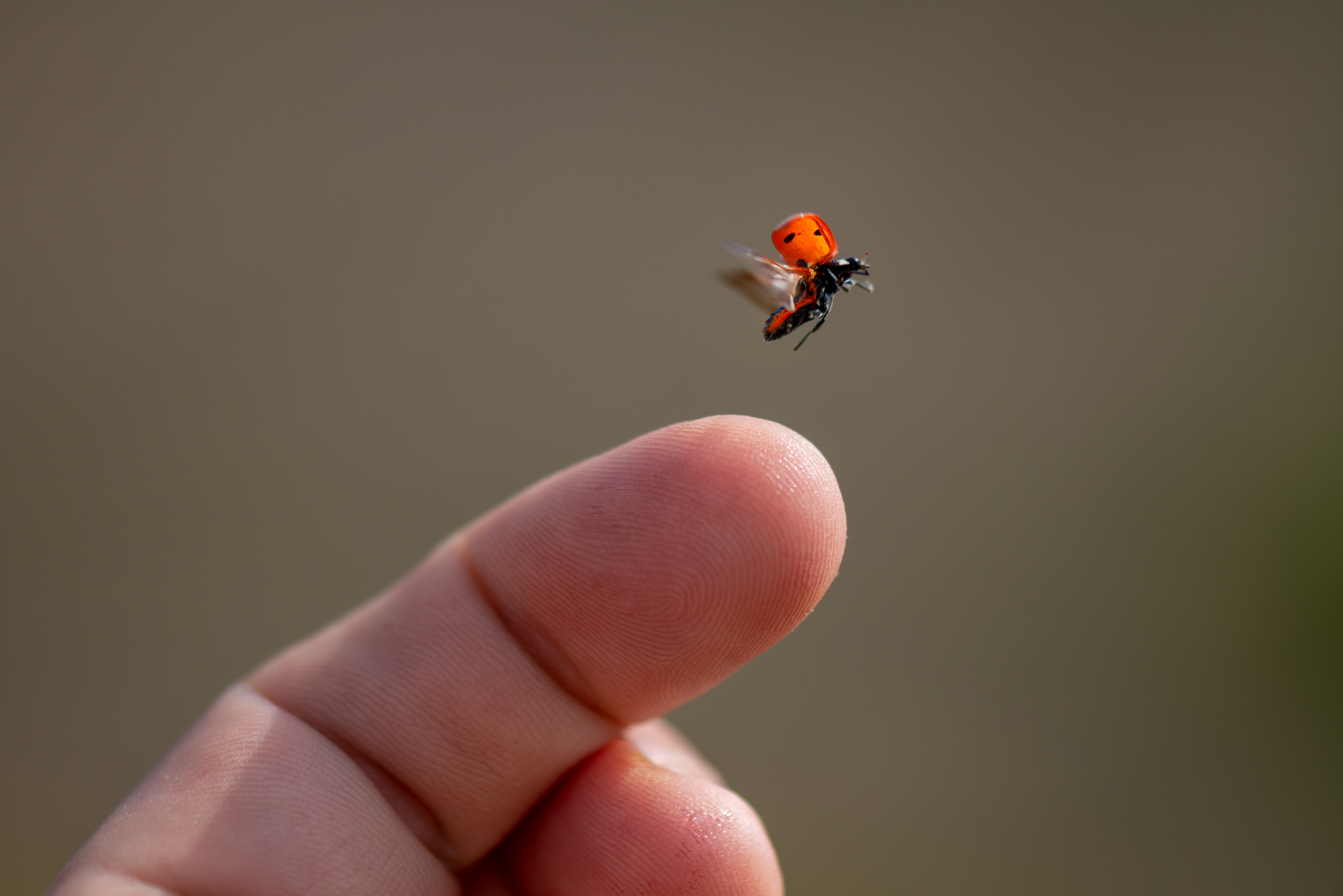
Ladybugs fly higher than you'd guess. Radar in England tracked them more than half a mile above the ground, moving as fast as 37 miles an hour and staying up long enough that a single trip could cover 75 miles.
That takes wings bigger than the shell they hide under, packed away the moment the ladybug lands. The wings fold along crease lines like origami, and the clever part is the veins that hold them up: each one curves like a steel tape measure, stiff and straight when it's out, easy to roll away when it isn't. Nobody had watched the fold happen, because the shell closes over it first. So a team in Japan swapped one shell for a clear copy cast from nail-art resin and filmed the whole thing through the window.
A mosquito's whine is part love song
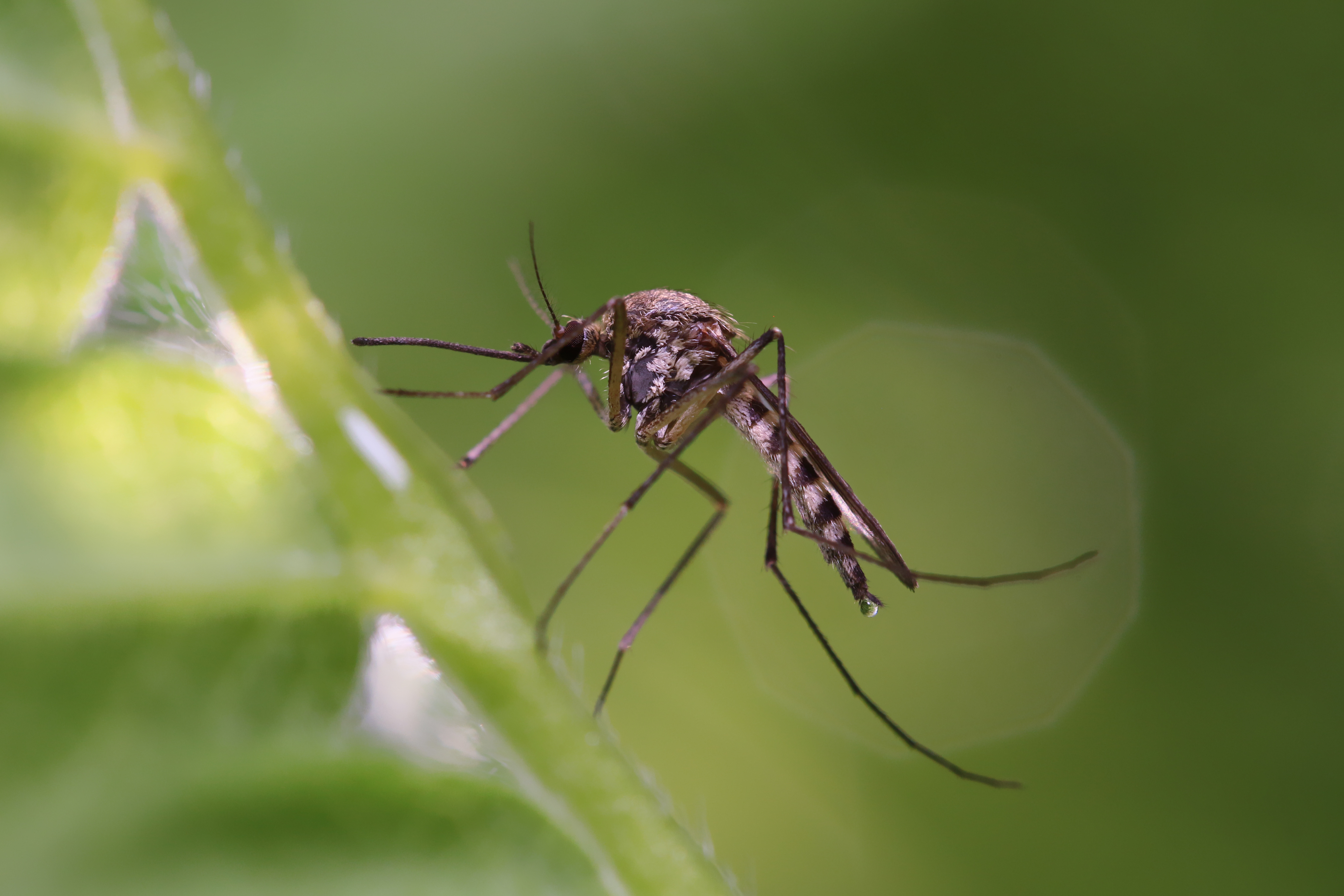
That high whine near your ear is the sound of wings moving. Mosquito wings beat hundreds of times a second, fast enough to make a musical note, and males and females hum at different pitches.
Researchers studying yellow fever mosquitoes found that a male and female flying near each other will both shift their wingbeats until the tones line up. The female hums near 400 beats a second and the male near 600, and they meet on a shared note around 1,200 that neither one is producing alone. Scientists used to think mosquitoes couldn't hear a pitch that high.
One moth steers by starlight
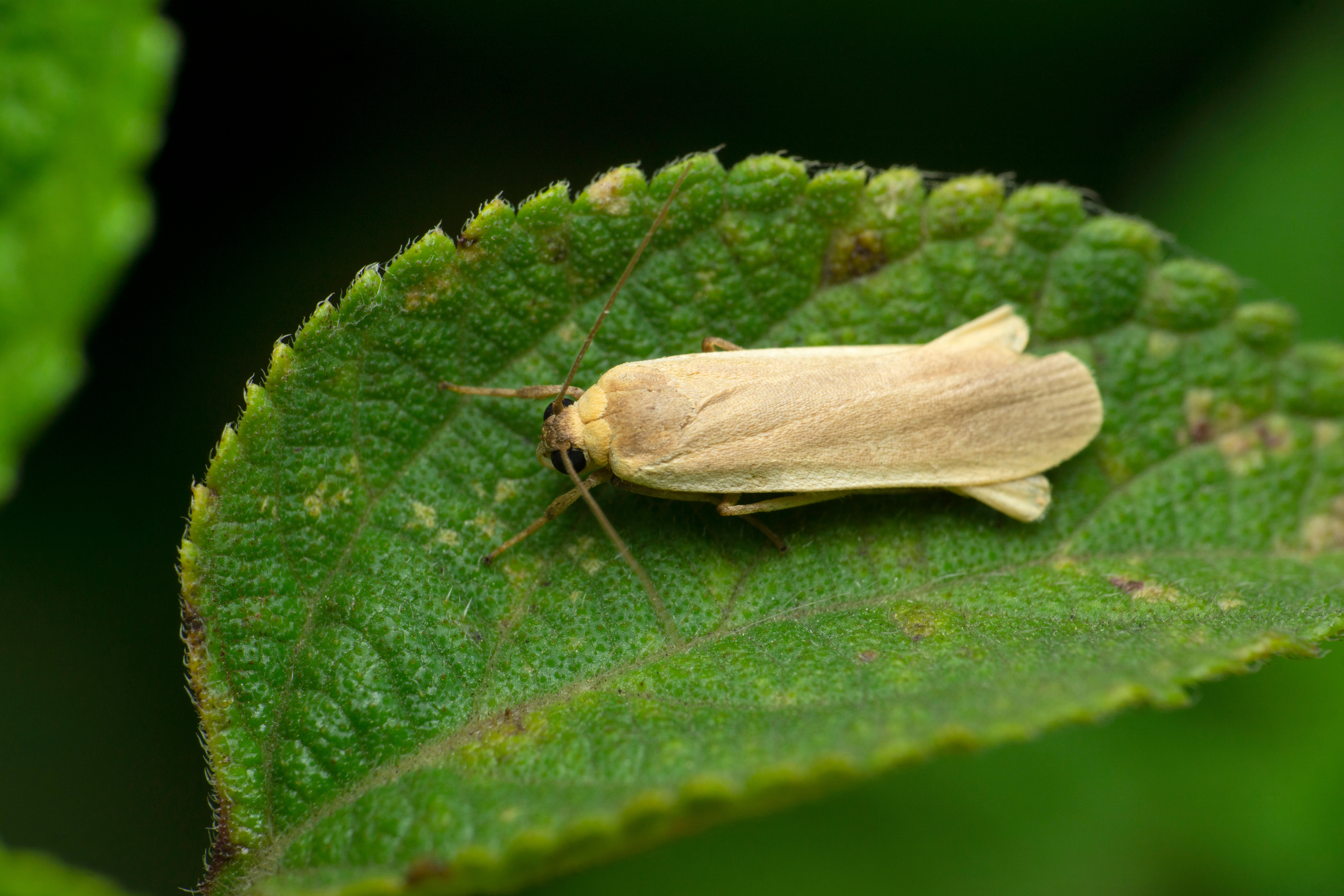
Every spring in Australia, bogong moths take off at night and fly as far as 600 miles to a handful of cool caves high in the mountains. None of them has been there before, and they still find the caves anyway.
Then researchers worked out how in 2025. They flew moths in a simulator under a projected night sky, and the moths lined up with their migration route. Rotating that sky halfway around made them turn and fly the opposite way, and scattering the stars into random spots left them unable to hold a course. On cloudy nights the moths switch to Earth's magnetic field. They're the first insects known to steer a long journey by the stars.
There's more happening above a backyard than it looks like, from an insect plotting an intercept to one carrying folded origami around under its shell. For more bug science, there's also 5 Incredible Facts About Bees and 5 Incredible Facts About Butterflies.
Which flying insect surprised you most? Tell us in the comments, and let us know what fliers you've spotted where you live.