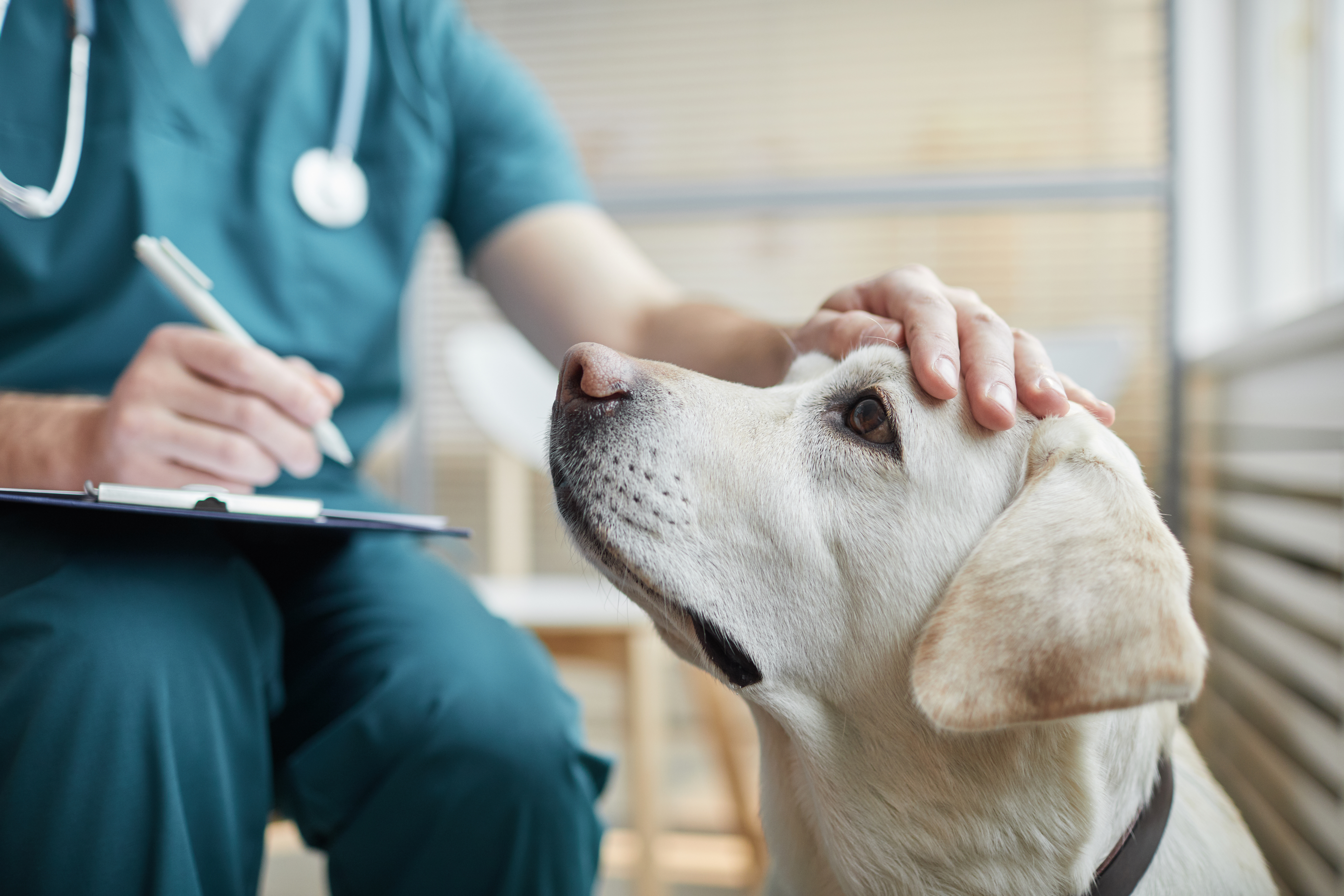
Think about the last time you went to the doctor. You could describe exactly where it hurt, how long it had been going on, whether it was sharp or dull. Now imagine doing that job when your patient can't say a word. That's what veterinarians do every single day, and it turns out, it's a lot harder than it looks.
This year World Veterinary Day is April 25, and it's a great excuse to take a closer look at one of the most fascinating careers in science.
Vets Are Expert Observers
Since animals can't describe their symptoms, vets train themselves to notice everything. Is the dog holding one leg slightly off the ground? Are the cat's eyes a little dull? Is the rabbit's belly tighter than usual? Vets read body language the way most of us read faces.
A dog with a stomachache and a dog with something much more serious can look surprisingly similar. Telling them apart requires knowing normal animal physiology well enough to catch when something is just slightly off. It's a skill that takes years to build.
The Tools That Help Vets See Inside
Vets use many of the same diagnostic tools as doctors, but they have to adapt them for very different bodies. A stethoscope works great for listening to a dog's heartbeat, but a hummingbird's heart can beat up to 1,200 times per minute, so knowing what "normal" sounds like requires memorizing different baselines for different species.
X-rays let vets see inside the body without surgery, and one of the most common uses is spotting bone fractures. Reading those images requires knowing the skeletal anatomy of dozens of animals, since what looks unusual in one species is completely normal in another.
And then there's the hands-on side: feeling for lumps, pressing on the abdomen to check organ size, testing how a joint moves. These physical skills are just as important as any piece of equipment.
Every Animal Is a Different Patient
Veterinary medicine covers more species than most people realize. A large-animal vet who works with horses operates very differently from an exotic vet treating reptiles or birds. Drug dosages, body temperature ranges, normal heart rates; all of it changes depending on the animal. In a lot of ways, becoming a vet means learning new biology over and over again, for every kind of patient you take on.
If Your Kid Loves Animals…

The KiwiCo Veterinarian Starter Kit lets them explore the work firsthand. Kids can check up on a stuffed animal patient using a stethoscope and vet tools, assemble organ and muscle systems to learn how animal anatomy fits together, and use a real X-ray lightbox to play "Find the Fracture." It's the kind of hands-on experience that makes a big, interesting career feel within reach.