Did you know sea otters trap air in their fur to stay warm in cold water? They do it by grooming constantly, blowing air into their coat and keeping it close to their skin. That trapped air acts like a built-in wetsuit. So when oil coats their fur, the air pockets collapse, and the otter loses its insulation.
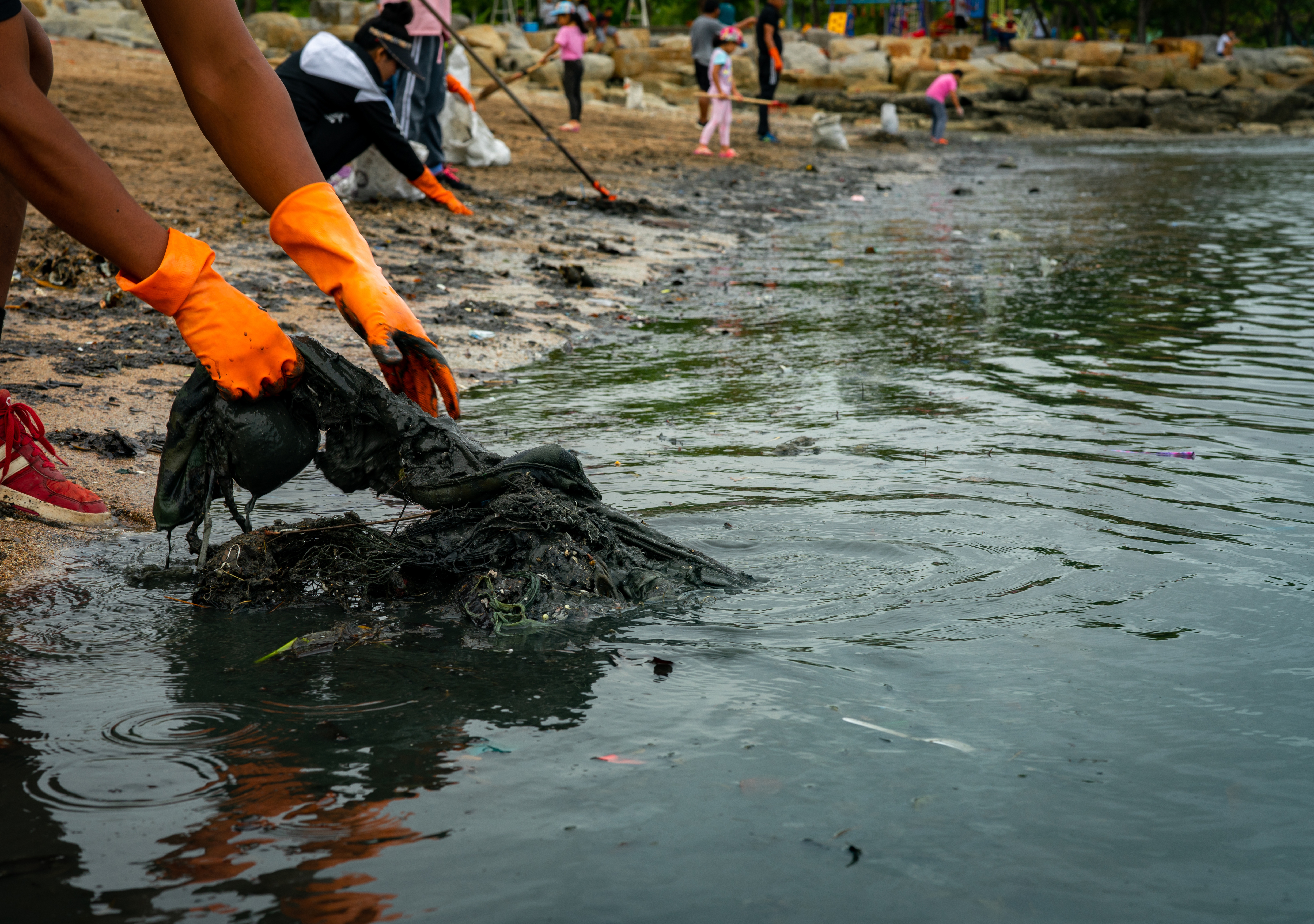
That's one example of what an oil spill does to thousands of animals, from seabirds to fish to the tiny creatures at the bottom of the food chain. Scientists have spent years figuring out how to clean these spills up. The methods are clever, and the science behind them starts with something you can test in your kitchen.
Why Oil and Water Don't Mix
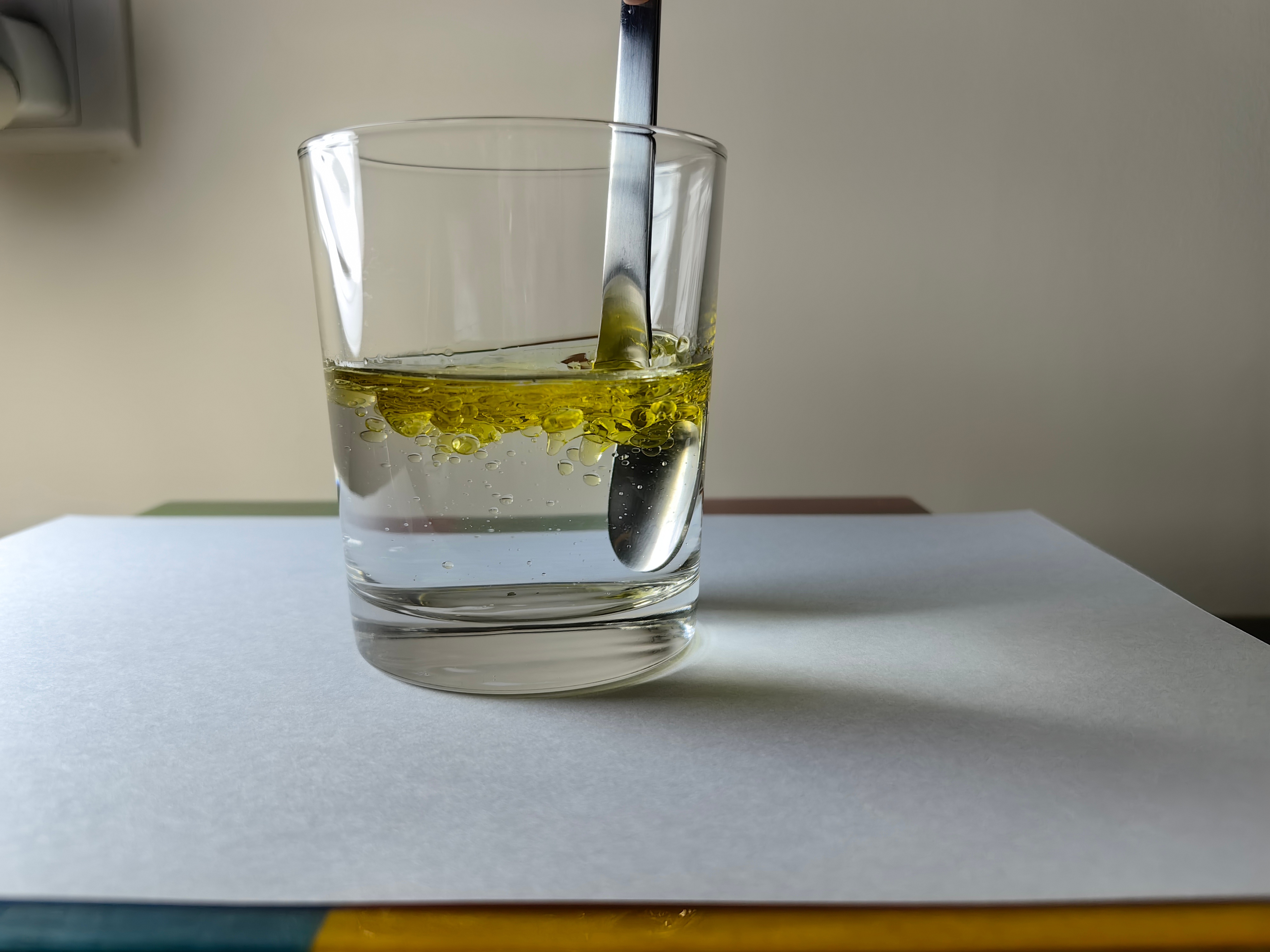
To understand what scientists do to clean up oil spills, first we have to talk about why oil and water don't mix.
Pour cooking oil into a glass of water and stir it. The oil separates and floats right back to the surface. That's because oil molecules stick to other oil molecules, and water molecules stick to other water molecules. The two groups don't bond. So oil spreads across the water in a thin, floating layer that blocks sunlight from reaching underwater plants, coats birds' feathers and animals' fur, and in the open ocean, can cover miles before cleanup crews arrive.
How Scientists Clean It Up
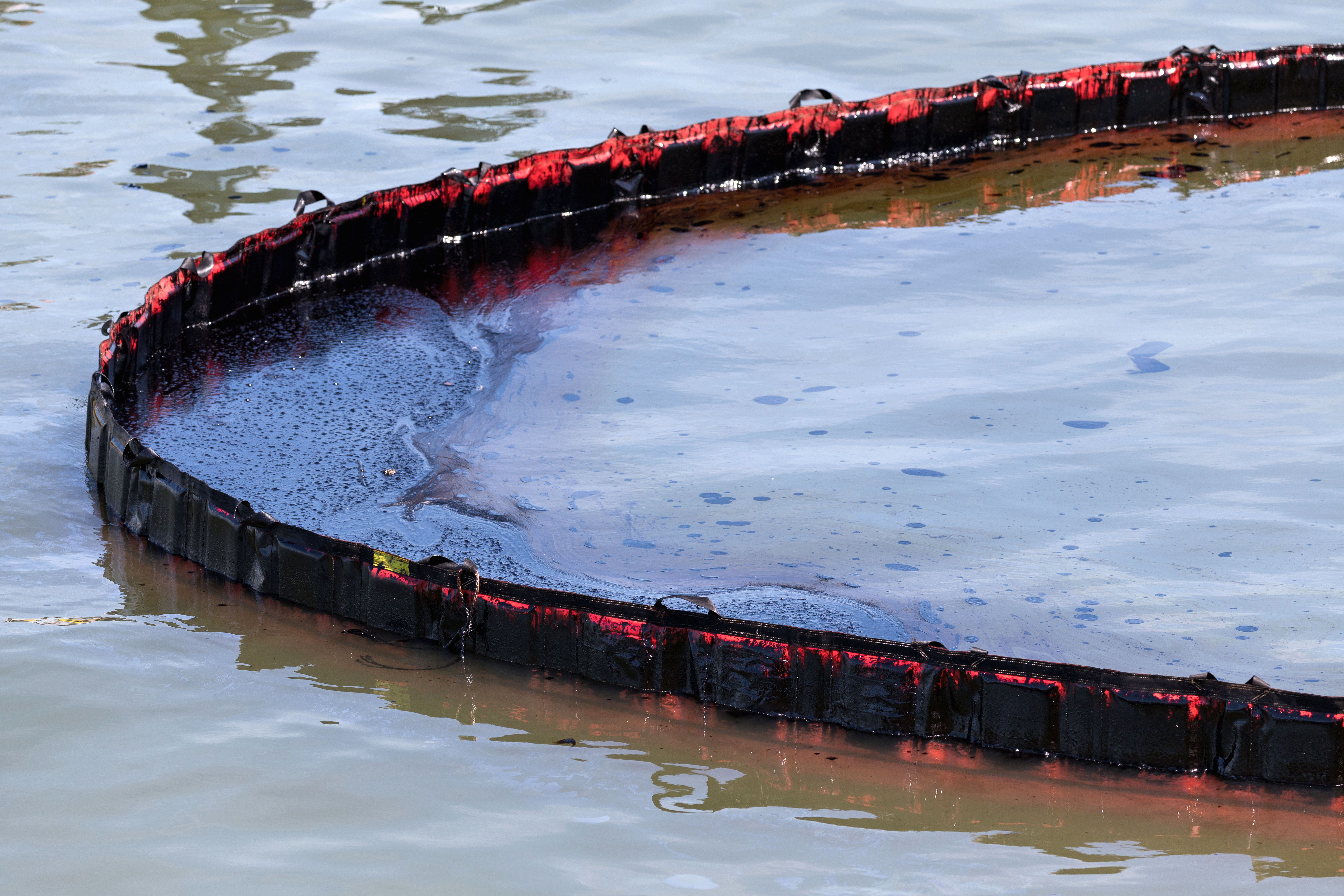
Booms: Scientists deploy long floating barriers called booms to corral the oil before it spreads. A boom works like a fence on the water's surface, keeping oil from drifting into new areas.
Skimmers: Once the oil is contained, skimmers move in. These boat-sized machines scoop or vacuum oil off the surface. Conditions need to be calm for skimmers to work well.
Absorbents: Certain materials soak up oil while repelling water. Scientists use natural materials like peat moss, straw, and sawdust, which pull oil in while letting water pass through. Same idea as a paper towel on a kitchen spill.
Try It at Home
Want to test how this works at home? All you need is a shallow bowl, water, cooking oil, a cotton ball, and dish soap.
Fill the bowl with water. Add a spoonful of oil and watch it spread. Press a cotton ball into the oil slick. It pulls up oil and leaves the water behind. Now add one drop of dish soap to the remaining oil. The soap bonds to both oil and water at once, breaking up the slick. Scientists use the same principle with chemical dispersants in real spill cleanup.
Take It Further
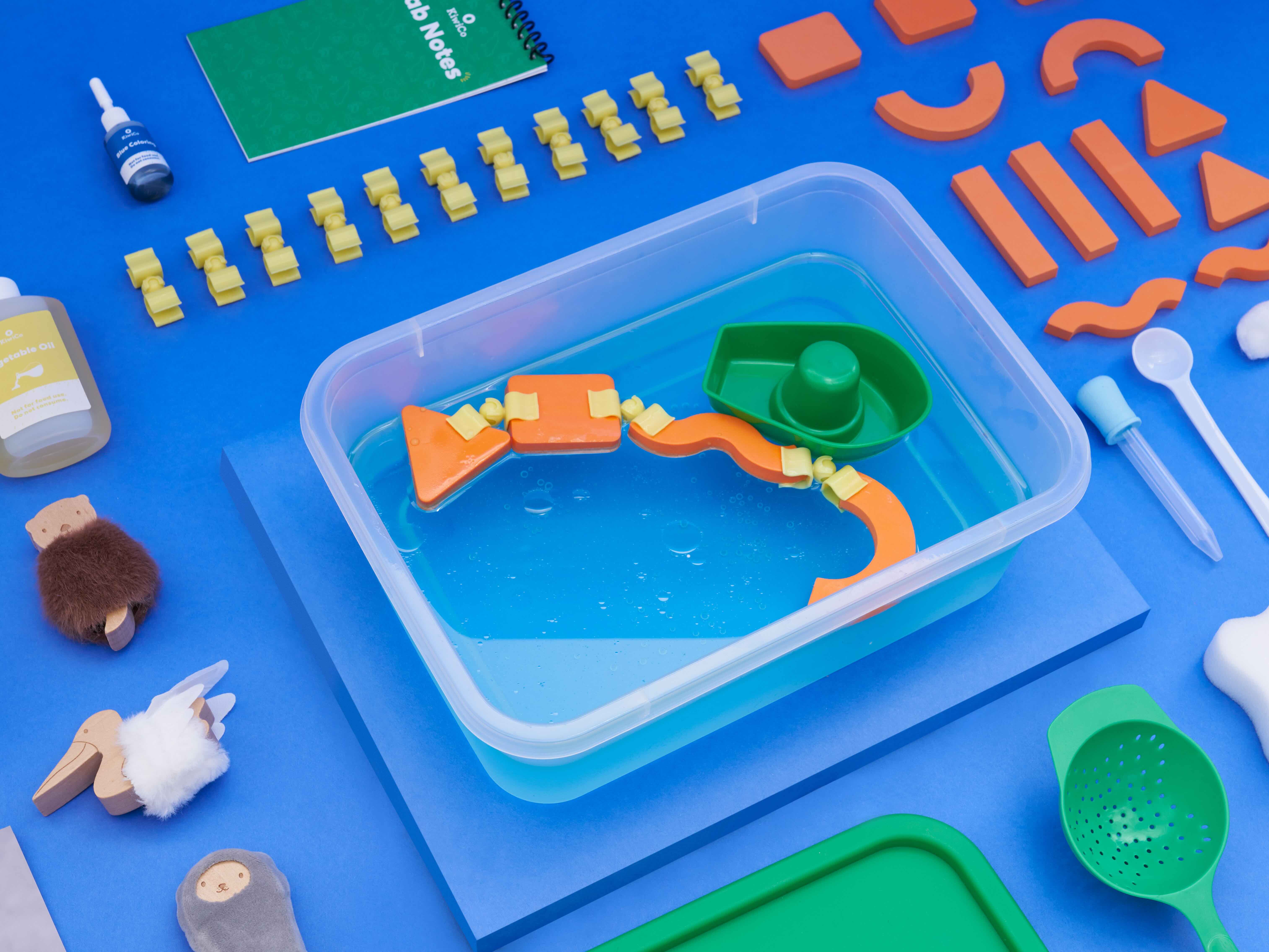
Ready to run a real oil spill simulation? KiwiCo's Environmental Science: Oil Cleanup crate lets kids test cleanup methods hands-on, the way environmental scientists do.