
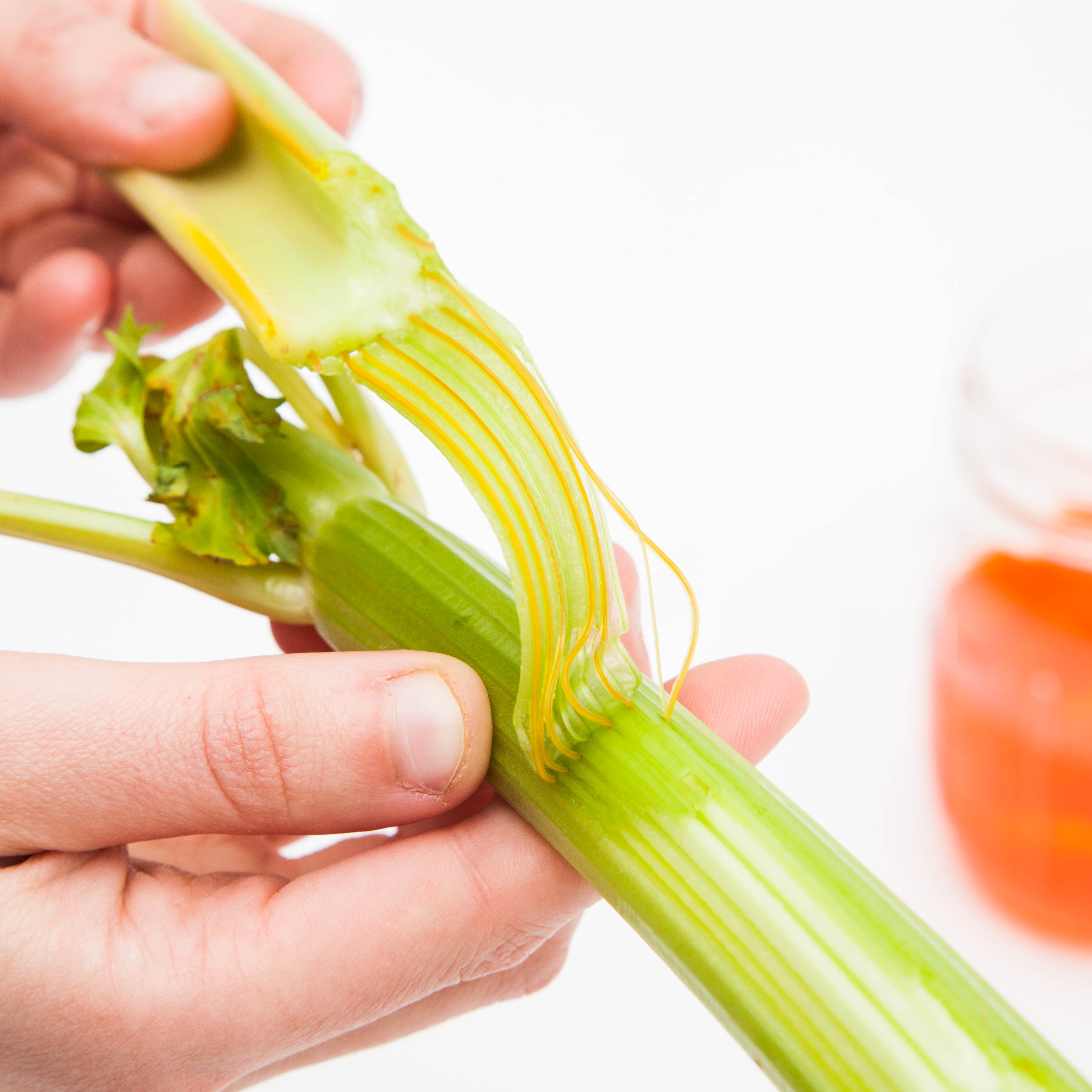
 Celery Experiment
(Ages 3-8)
Has your child ever wondered how plants get water from their roots all the way to their leaves? This simple celery experiment shows how colored water travels up a celery stalk!
Looking for more kitchen learning projects to do with your young scientist? Roll and stamp your way to early math exploration with a Fun Dough Pasta Maker from the KiwiCo Store!
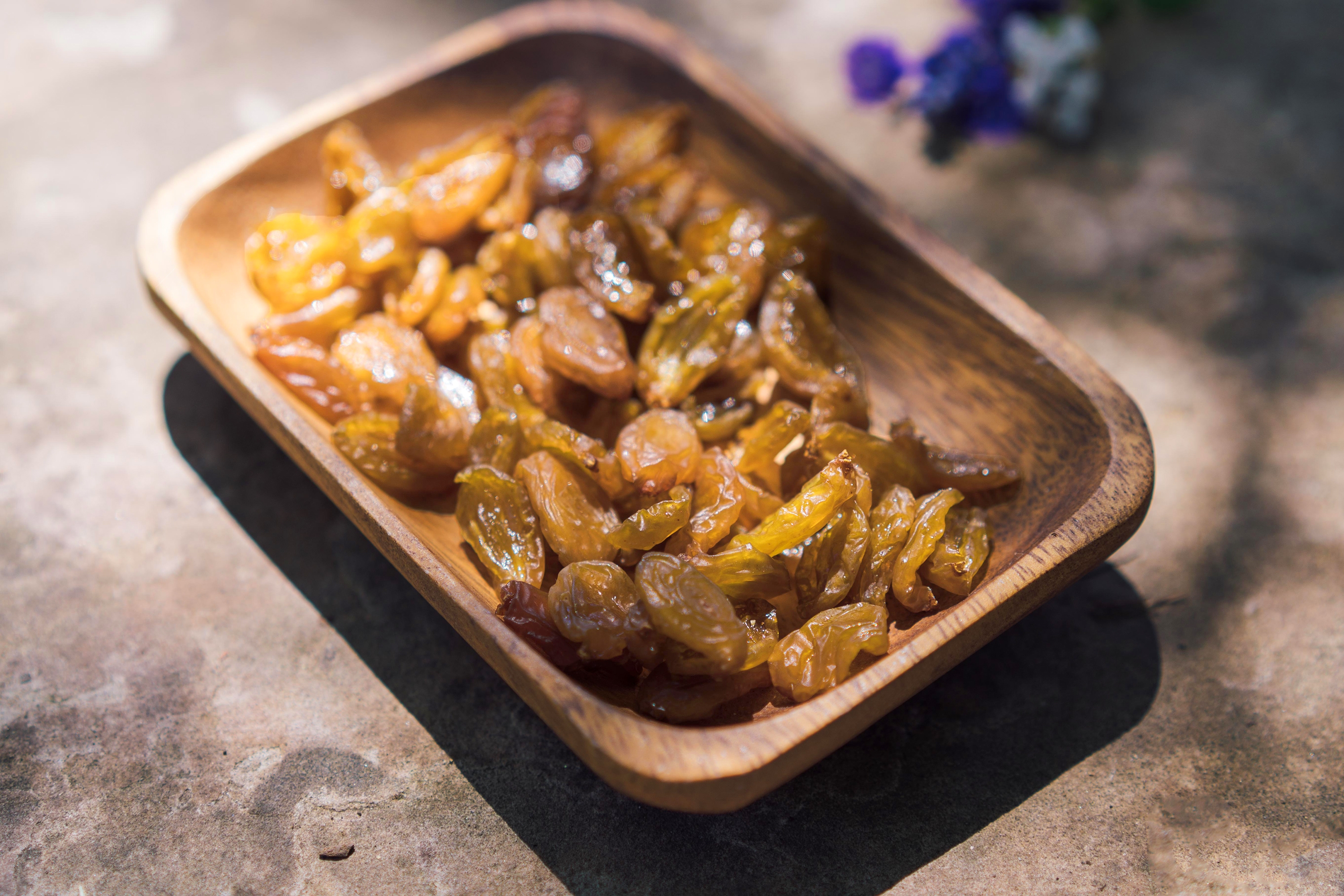 Grapes to Raisins
(Ages 3-16)
Now that it's summer, it seems like our family is constantly on the go. For easy, quick snacks, we've turned to nibbling on dried fruit -- the perfect low-mess snack for both me and my kids. With the summer sun is out in full swing, we decided to try making our own raisins from grapes. You can dry them out in the hot summer sun, or for quicker results, dry them in the oven.
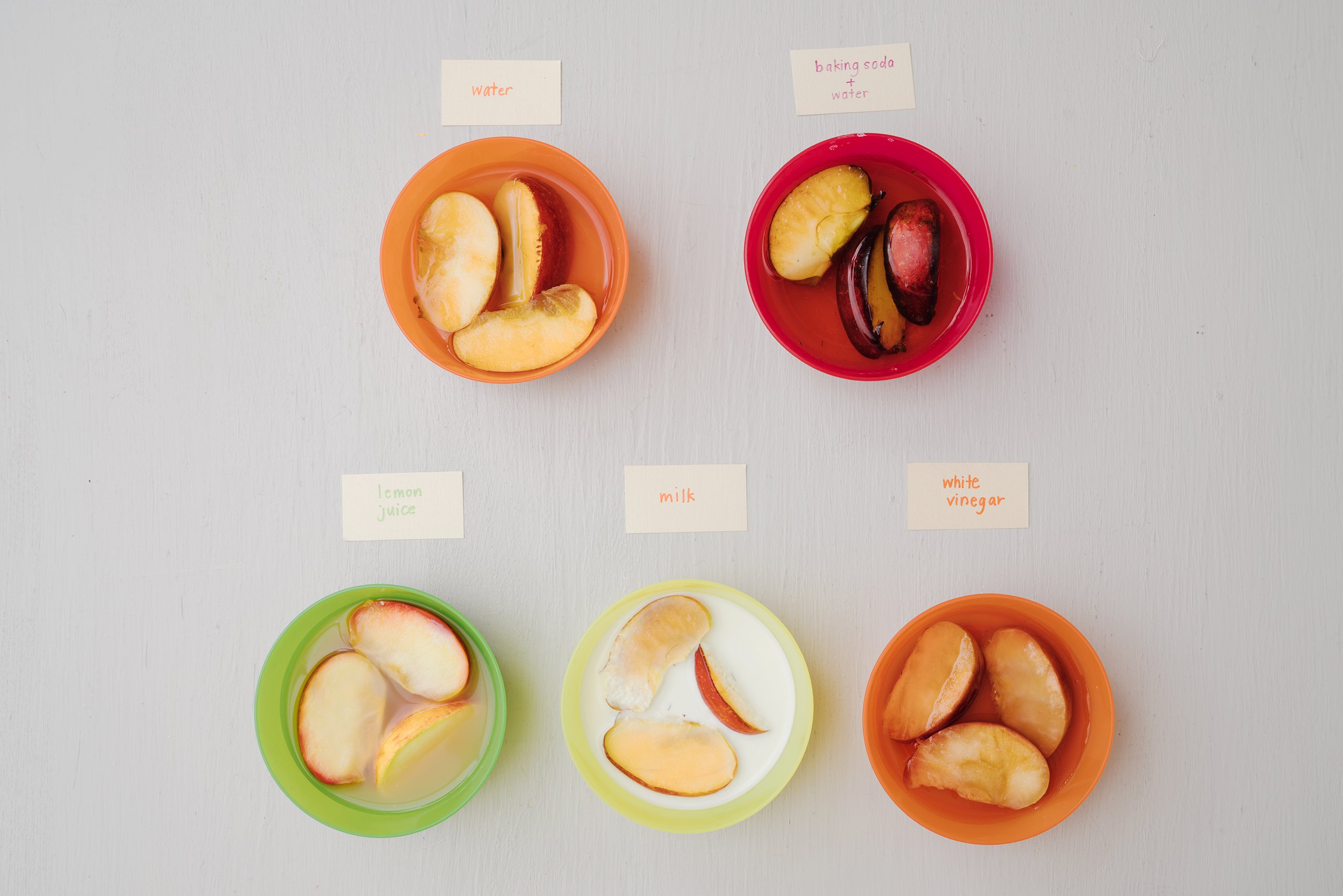 Apple Experiment
(Ages 5-11)
Fall is coming, which means apple season is right around the corner. We love eating apple slices as a healthy snack. Try out this apple experiment with some basic kitchen goods to see how you can keep your slices from browning!
Want to explore more kitchen science experiments? Explore the tastier side of learning with Science of Cooking: Bread & Butter from the KiwiCo Store!
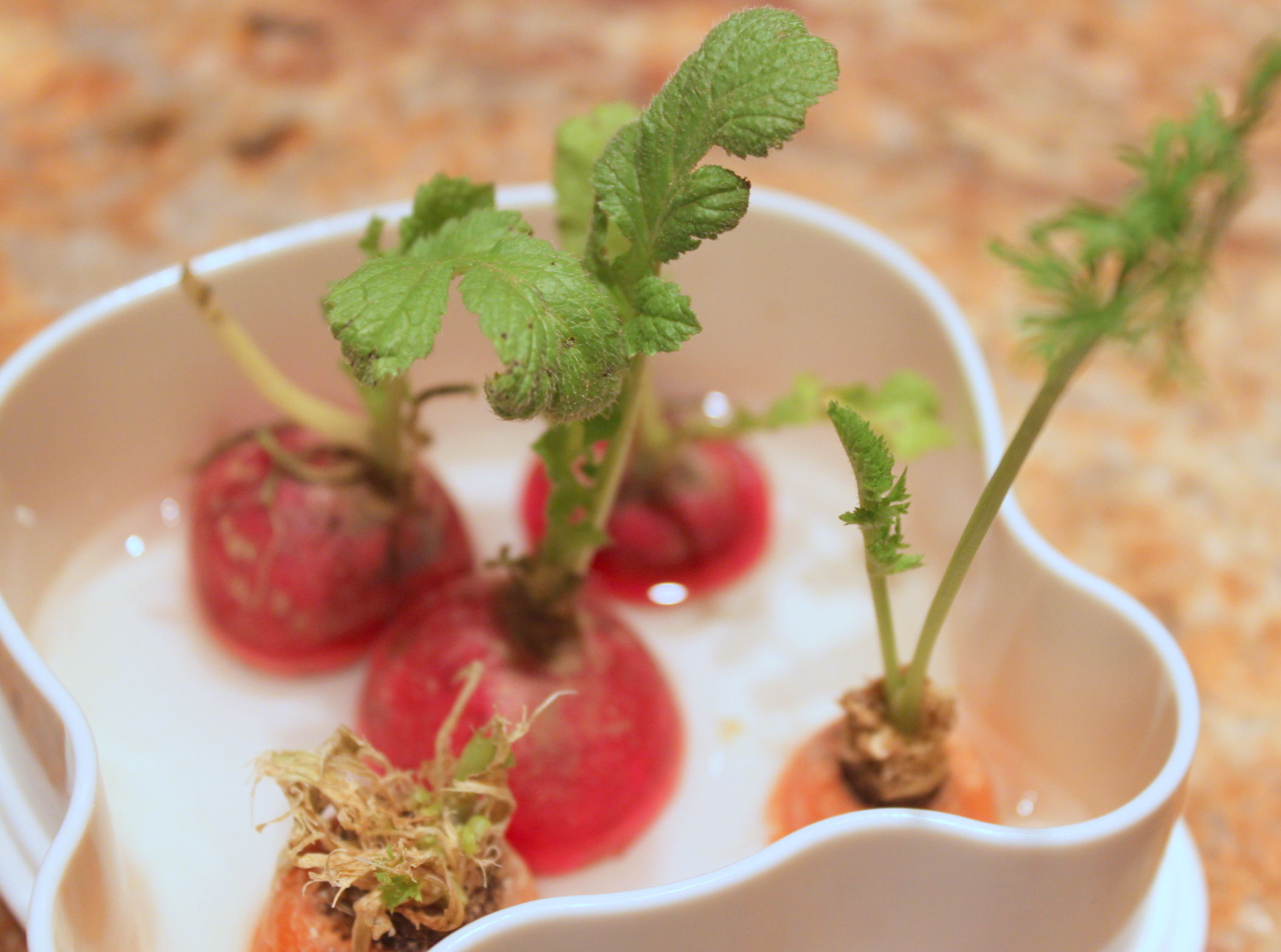 Veggie Tops
(Ages 5-11)
I love when we try experiments and the result surprises me! Did you know veggies tops can continue to grow with a little bit of water? My daughter thought this was the most amazing thing to watch happen...and so did I!
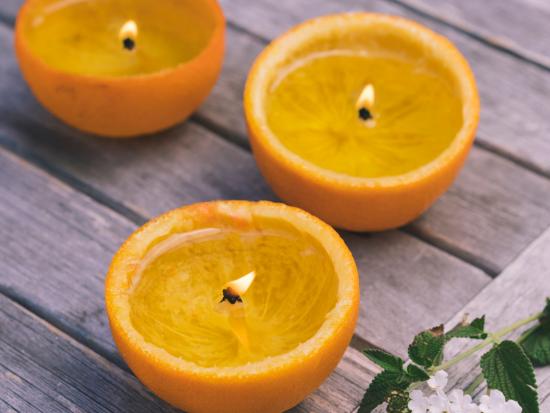 Natural Orange Candles
(Ages 5-16)
It is summertime which means warm evenings and fruits are aplenty. Going to the farmers market on the weekends is a favorite family tradition of mine so I was excited to transform a handful of fresh oranges into a set of nifty, natural burning candles.
Orange peels naturally contain an essential oil called limonene, which is flammable (you may have encountered flaming limonene as a garnish for fancy cocktails). The pith of an orange, however, contains very little limonene, and also tends to be drier than the rest of the peel or sections of juicy orange. These qualities make the pith a slow burner and ideal for a candle wick.
Always be careful when using candles and fire. Be sure to only light the candles on a safe fireproof base. Never leave lit candles unattended or unsupervised by an adult.
Want to explore more kitchen science experiments? Explore the tastier side of learning with Science of Cooking: Mini Cakes from the KiwiCo Store!
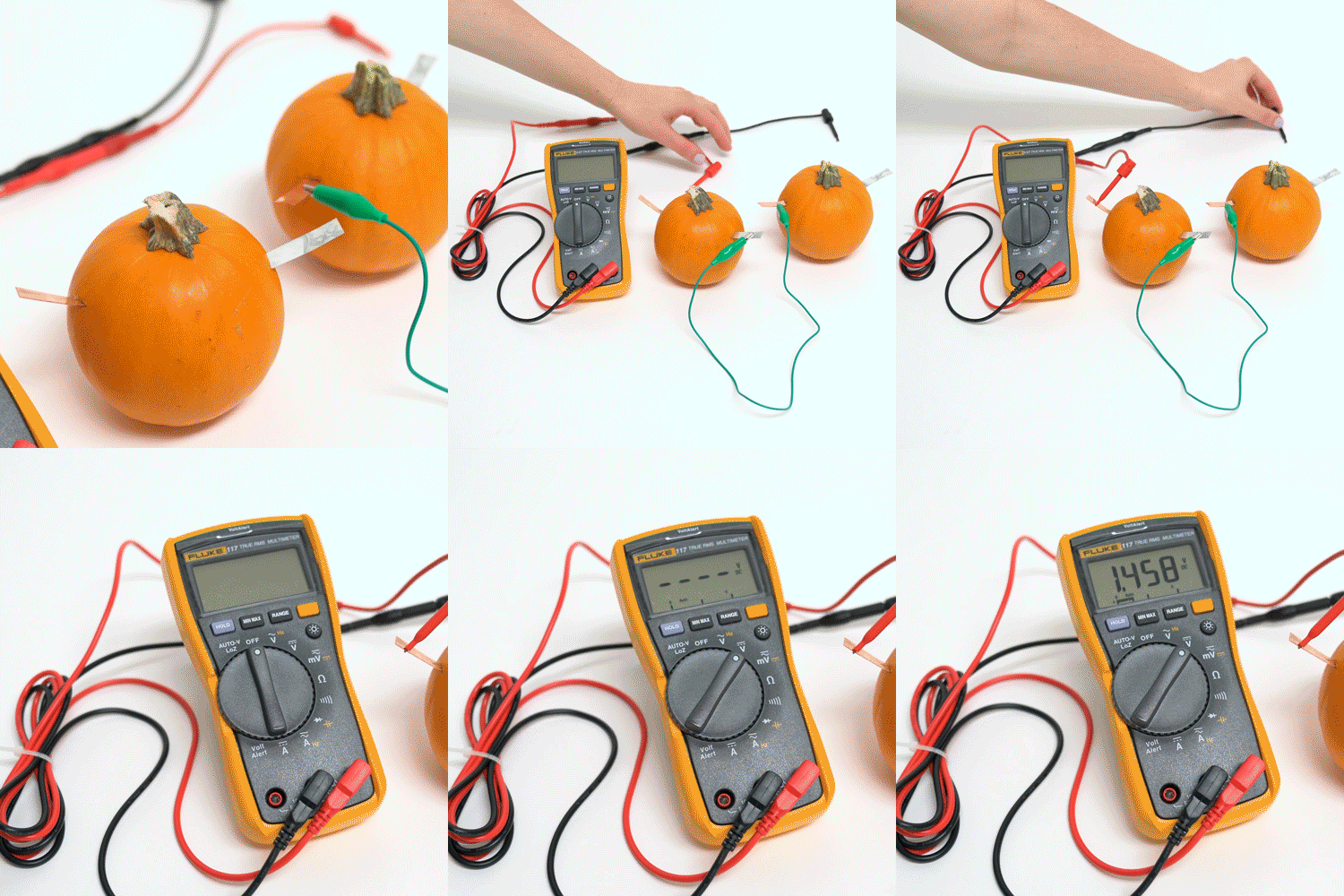 Pumpkin Battery
(Ages 5-16)
Harness the power of pumpkins with a pumpkin battery and see how many volts it can produce!
This project is pretty similar to another DIY we’ve featured, the Lemon Battery. Just like with the lemon, pumpkins have acidic juices inside that help transport electrical energy. Lemons are more acidic, so that’s why they’re the normal go-to for building batteries. For fall time, here’s how to do the same thing with pumpkins!
6 Fruit and Vegetable Science Experiments for Kids
One trip through the produce section can stock a week of science. Grab celery, grapes, apples, a few root vegetables, an orange, and a couple of pumpkins, and you've got everything you need for plant biology, chemistry, and electricity. Five of these run on produce plus whatever's already in your kitchen. The sixth needs a multimeter, so order that one ahead. A couple even work with the parts you'd normally toss, so save those carrot ends.