
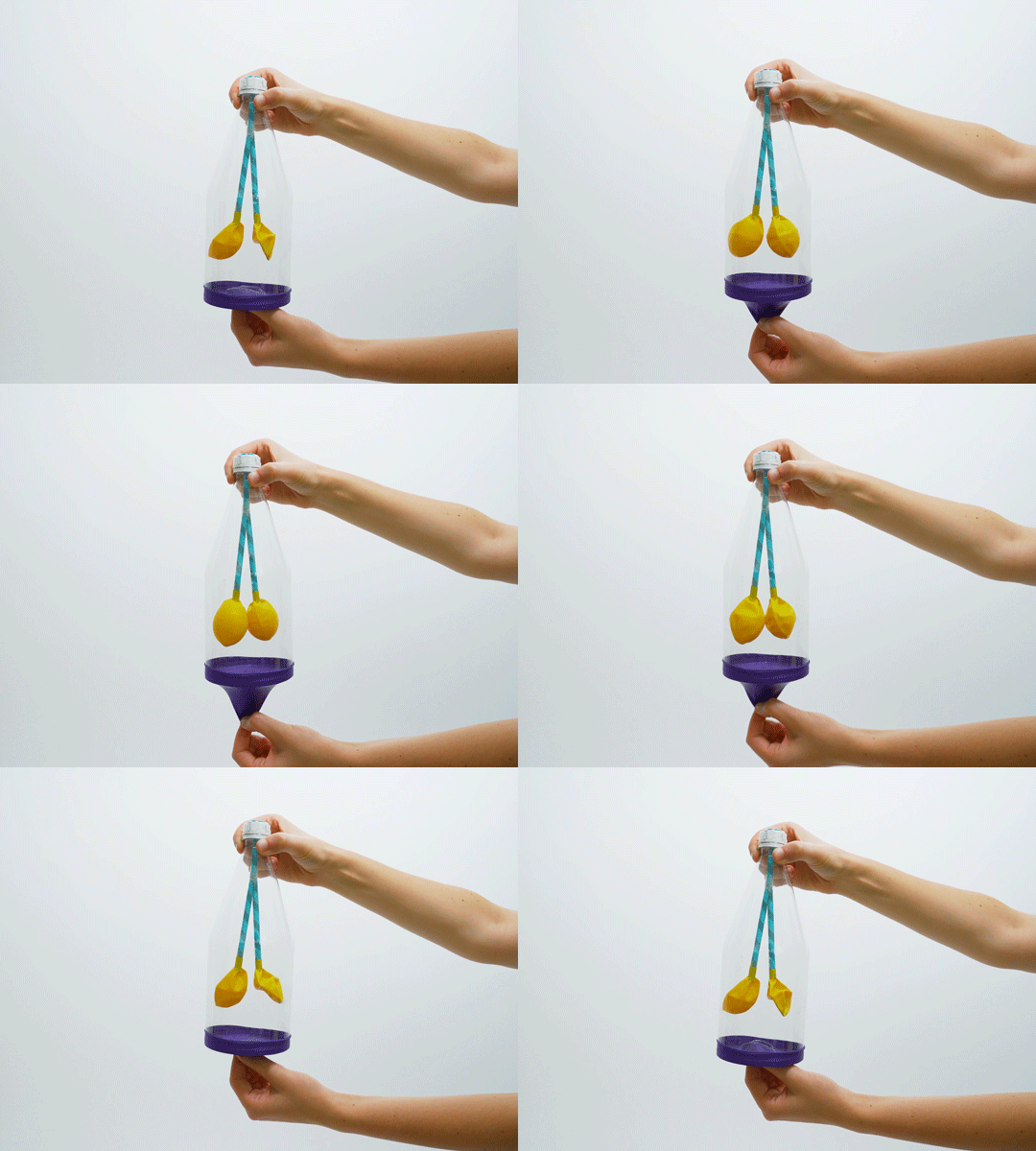
 Lung Model
(Ages 7-16)
Breathe in. Breathe out. Do you feel your chest expand and shrink when you breathe? That change in size is how you get air into your lungs! It all has to do with the physics of air pressure, which you’ll investigate in this project.
Build another working model of your own body with a Mega Hand from the KiwiCo Store! Engineer a giant articulated hand that moves with your gestures, and find out how linkages let a few simple parts do something surprisingly lifelike.
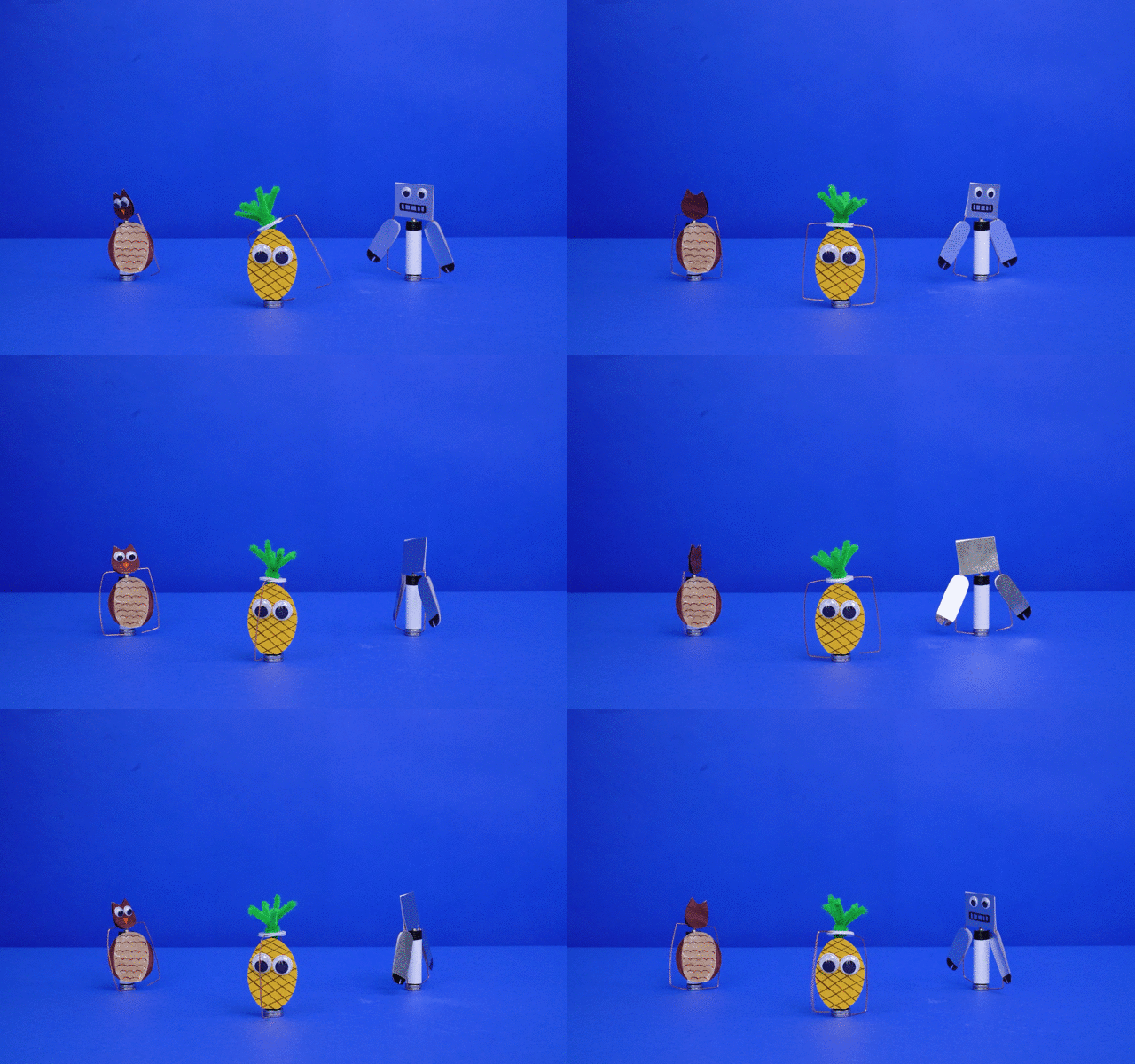 Spinning Sculptures
(Ages 8-16)
Use the power of electromagnetism to create your own spinning sculpture!
Discover more ways electricity can make things move with a Delivery Bot from the KiwiCo Store! Wire up the motors, assemble a radio controller from scratch, then load your bot with a snack and send it rolling.
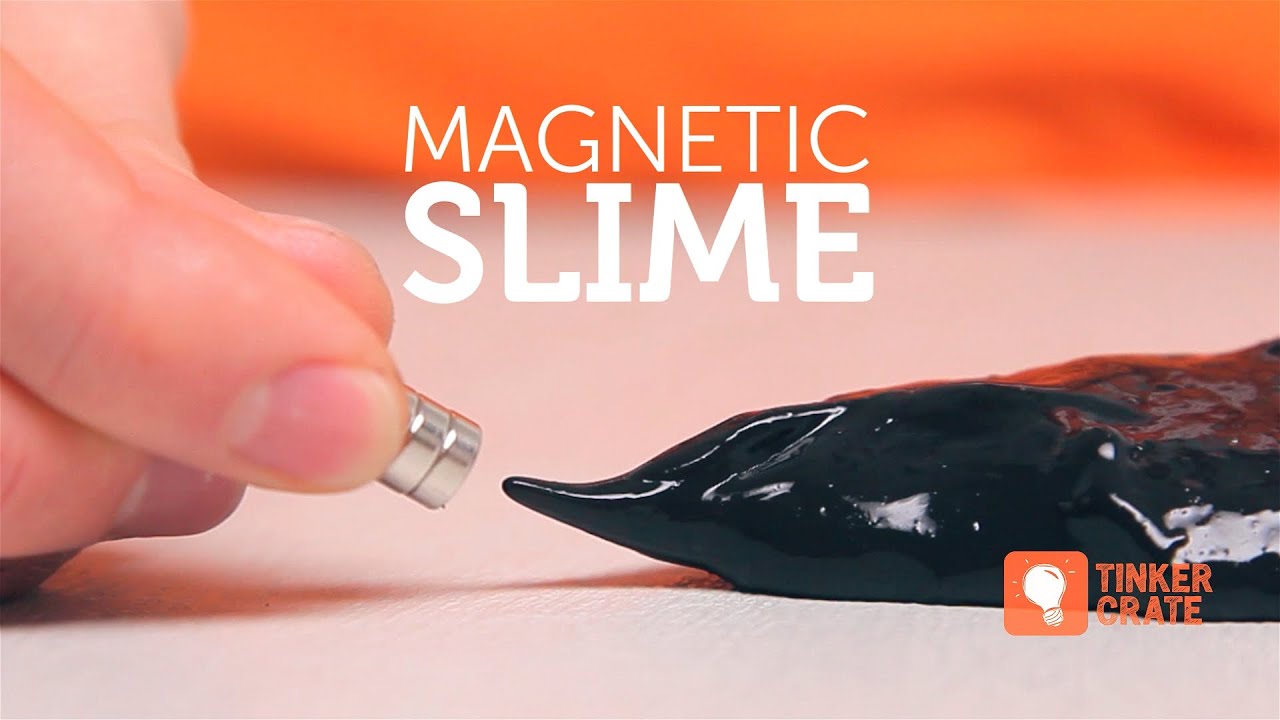 Magnetic Slime
(Ages 9-16)
Pull together a batch of magnetic slime!
Polymers are really big molecules, made up of lots and lots of smaller molecules joined together. They can make materials bouncy like a rubber ball, stiff like a plastic toy, or stretchy like a piece of gum. One great way to play around with polymers -- and to do some hands-on experimentation with chemistry in general -- is to make your own slime.
In this experiment, we uplevel your standard green goo to jet-black magnetic slime that will magically move and dance without you even touching it!
Follow along below or in our How to Make Magnetic Slime video tutorial!
Want to keep going? Contact Solution Slime (ages 9+) uses a completely different recipe to make the same kind of polymer, so it's a natural follow-up experiment!
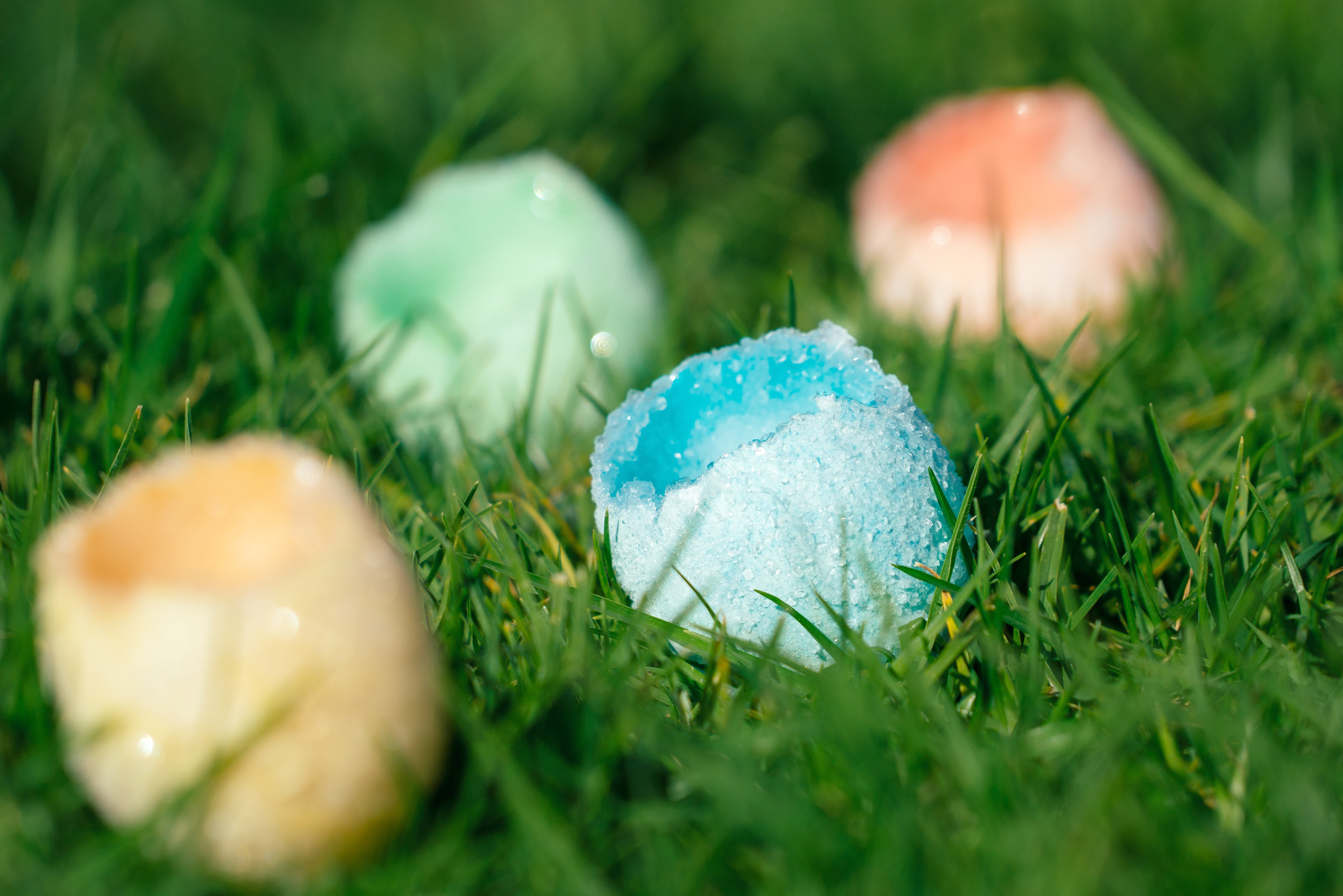 Egg Geodes
(Ages 9-16)
Have you ever grown your own crystal geodes? Try this egg experiment and grow your very own borax crystals in a shell! Experiment with different borax concentrations and see how big your egg geodes can grow.
Discover everything that eggs have to offer with Eggsperiments from the KiwiCo Store! Use the scientific method with a series of egg-based experiments that explore chemistry, physics, and biology.
 Copper Plated Coins
(Ages 9-16)
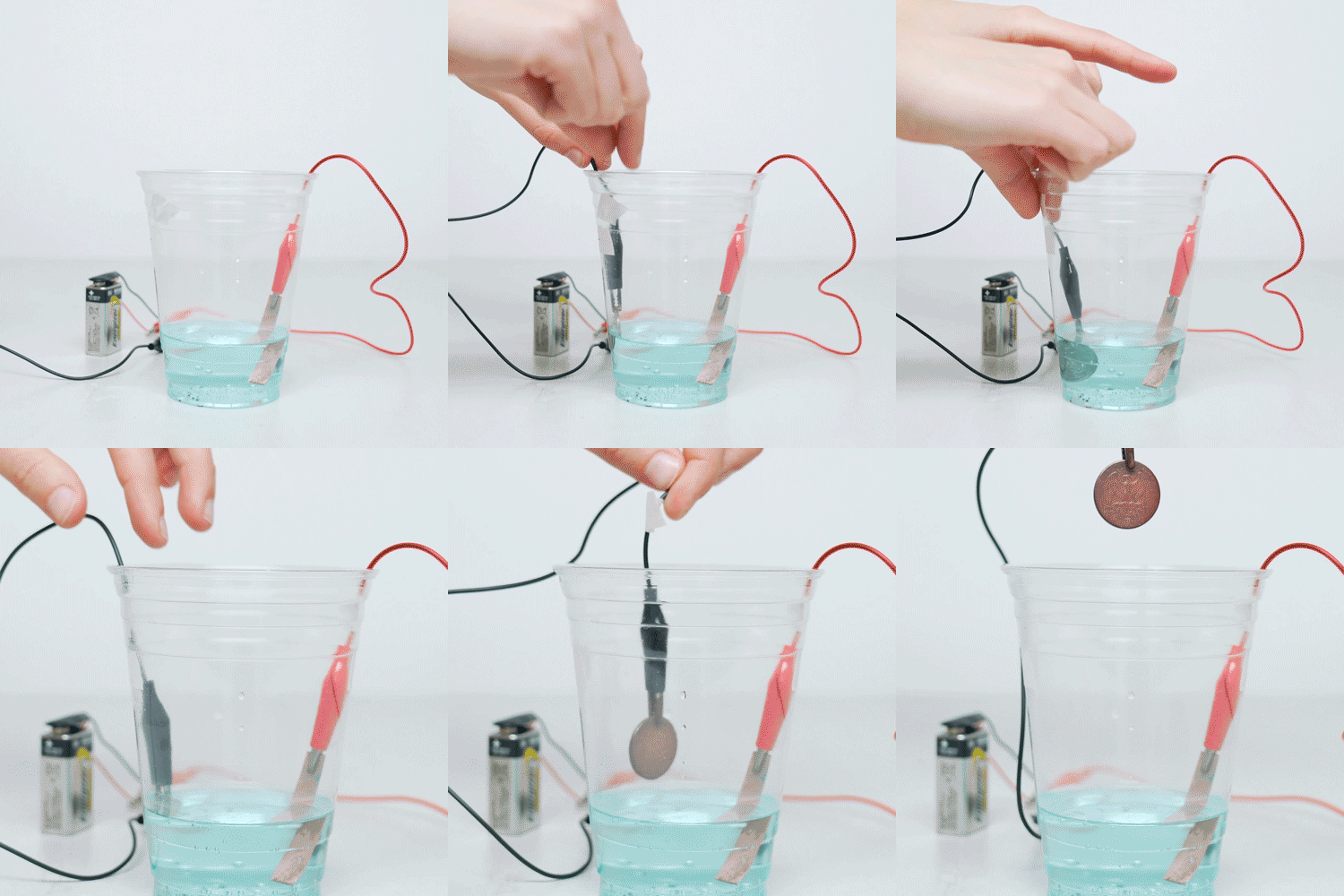
Use some household materials to plate your coins with copper! You can also try copper plating designs onto your coins!In this project, you’re going to do two things: put copper into a solution, and make that copper come out of the solution and stick to another piece of metal (the quarter). That first process is called “electrolysis” and the second is called “electroplating.” So how do you do those things? Well, their scientific-sounding names give you a clue: with electricity!
Electrolysis is a way to dissolve bits of metal into acidic liquids like vinegar. When you run electricity through vinegar, the vinegar helps to carry electricity from one side of the circuit to the other. Those bits of the vinegar react with the copper, making little bits of copper leave the positive side of the circuit and go into the liquid. You’ll see this happening when your solution turns blue.
Electroplating is a way to put those little bits of copper onto something else. The bits of copper are ionic, which means they have an electrical charge, like a balloon that you rubbed on your hair. And just like a charged-up balloon, ions love to stick to things! By giving them another electrified metal, they rush out of the solution and onto the metal’s surface. You’ll see this when your quarter starts to change colors. With just a little electricity, you can use electrolysis and electroplating to plate a quarter with copper. Does that make it look like a penny to you?
Introduce your young electrical engineer to even more techniques with a Light-It-Up Electronics Set from the KiwiCo Store -- perfect for engineering your very own light-up circuits!
 Dancing Sprinkles
(Ages 9-11)
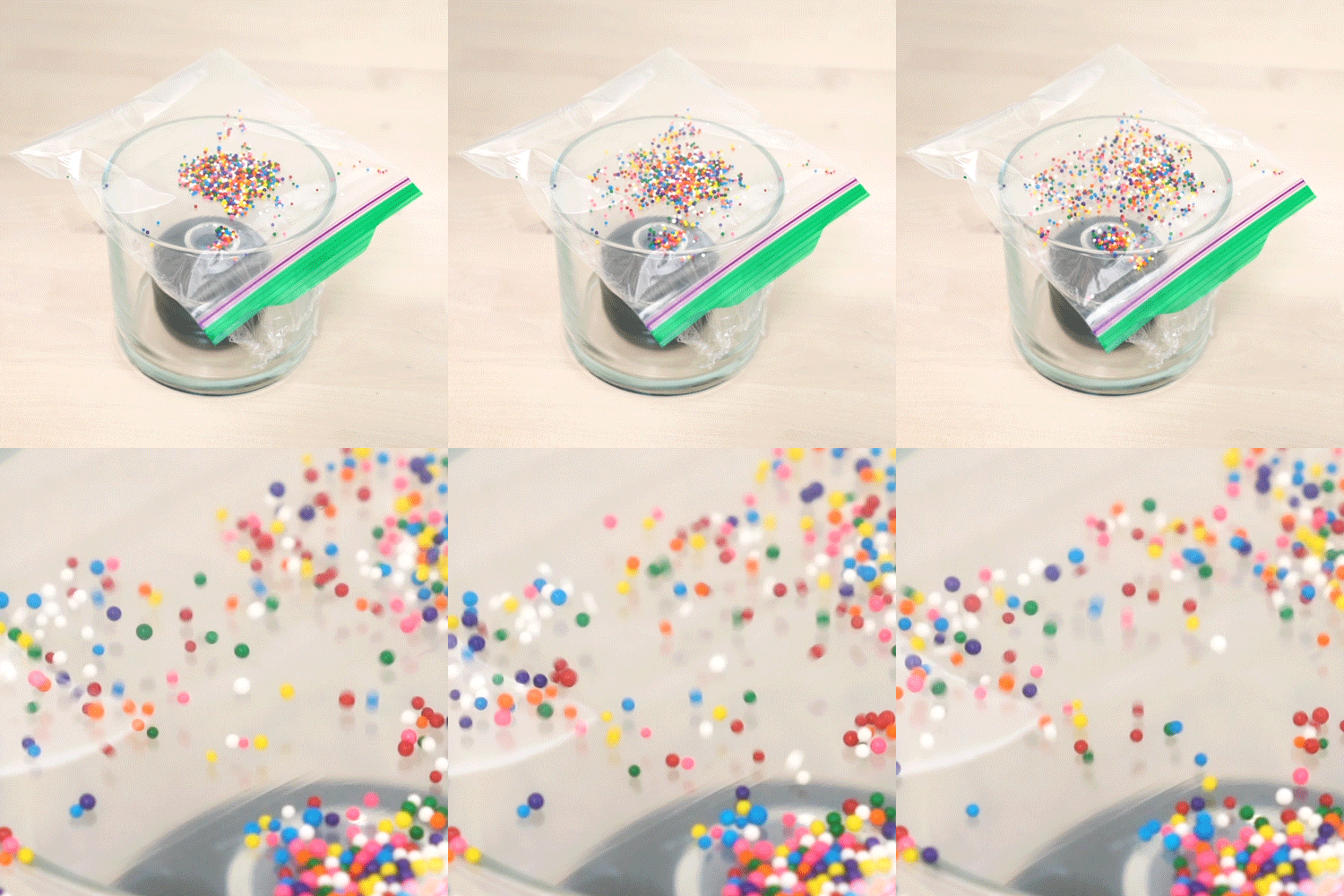
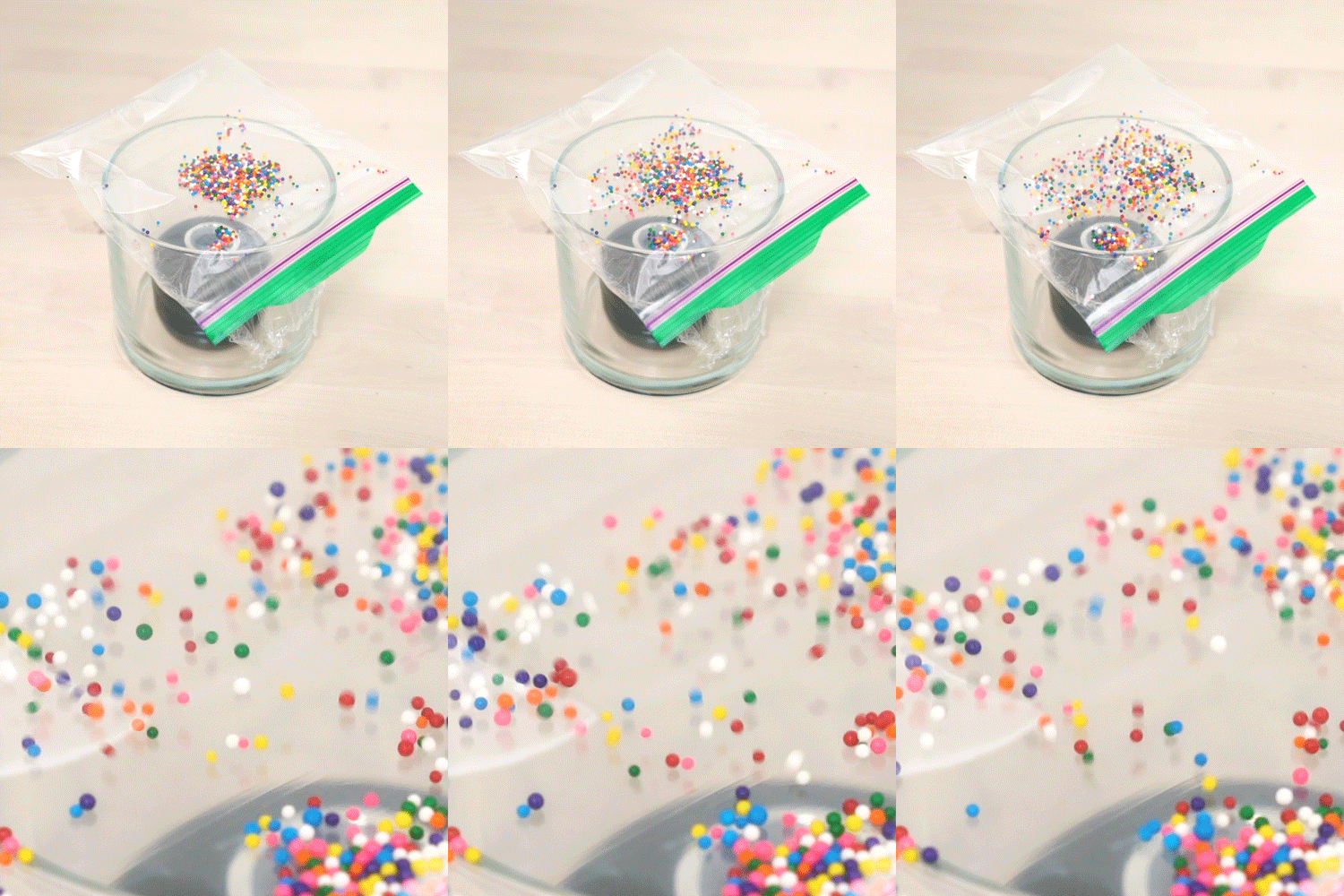
Ever wondered if you can see sound? Well, in this experiment, you’ll turn music into motion.
Want to explore more kitchen science experiments? Explore the tastier side of learning with Science of Cooking: Ice Cream from the KiwiCo Store!
 Compound Pulley
(Ages 9-16)
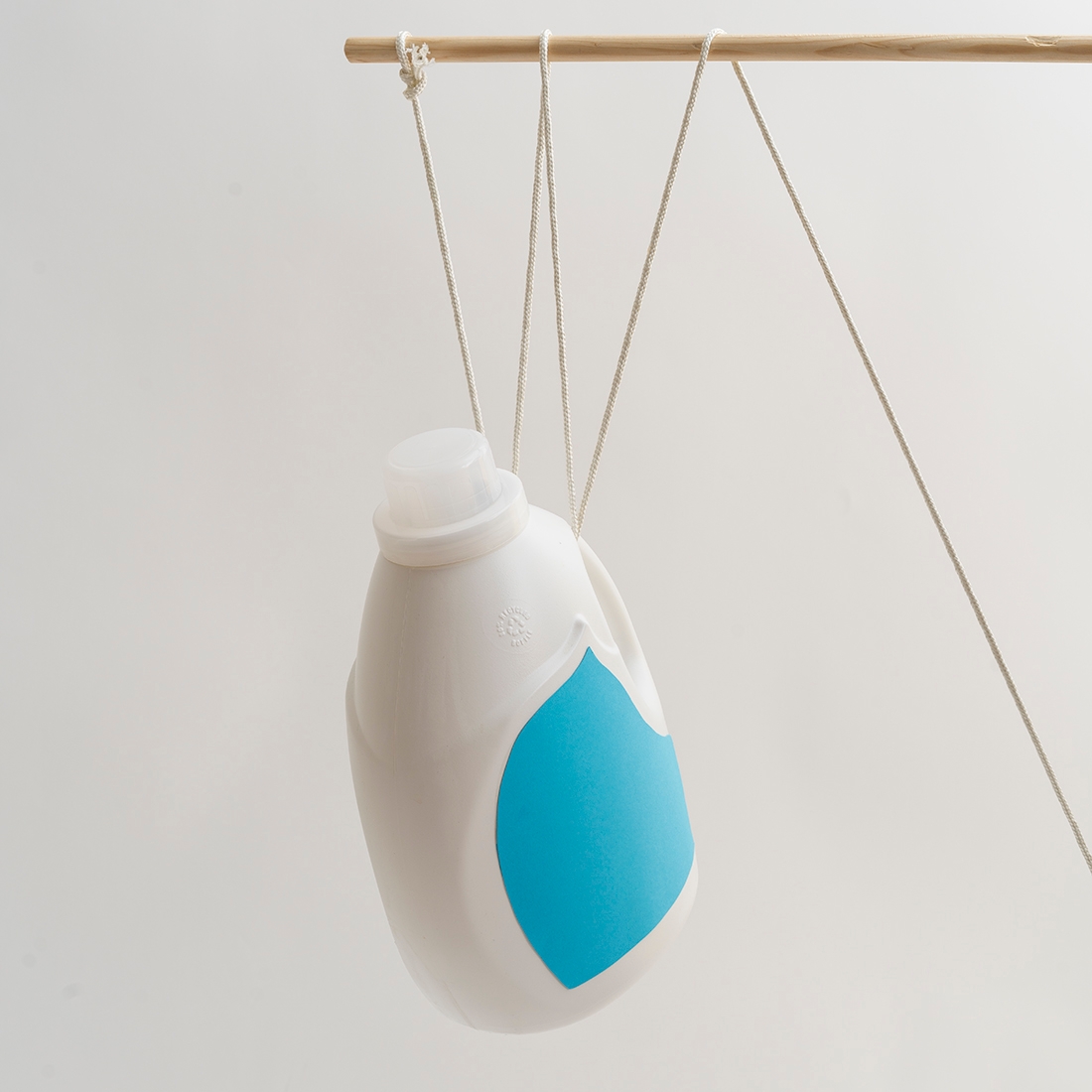
This setup is a compound pulley, which combine both fixed and moveable pulleys to increase the mechanical advantage.
In a pulley system, a wheel's job is to let the rope move freely. Here, this set up works with no wheels. The broom can act as the wheel since it's low-friction enough that the rope can easily move over it.
 Pressure Bottle Rocket
(Ages 9-16)
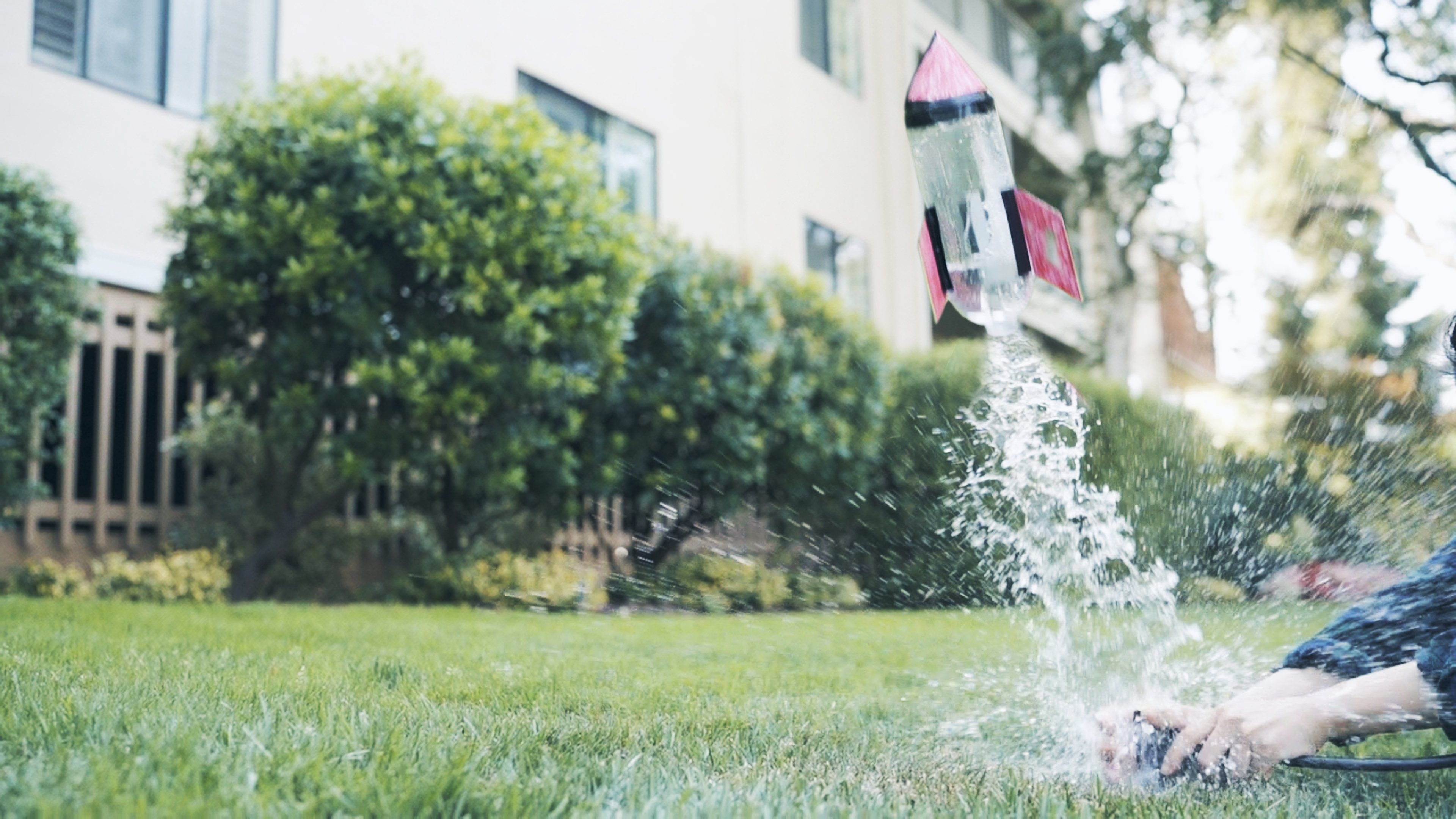
Water squirters work by pressurizing reservoirs of water with air. As you pump the squirter, it gradually adds air to the reservoir, increasing the pressure. When you pull the trigger, the pressure is allowed to release and a stream of water shoots out!
In this DIY project, we'll learn how to use the exact sample principles found in water squirters to launch a water rocket sky-high! Follow along with these simple steps and you'll be blasting off in no time.
Want to make a bottle rocket without the hassle of gathering materials? Blast off with a Bottle Rocket Blaster crate from the KiwiCo Store! It includes a step-by-step video tutorial link, illustrated instructions, and all the materials you'll need!
 Egg Drop Project
(Ages 9-16)
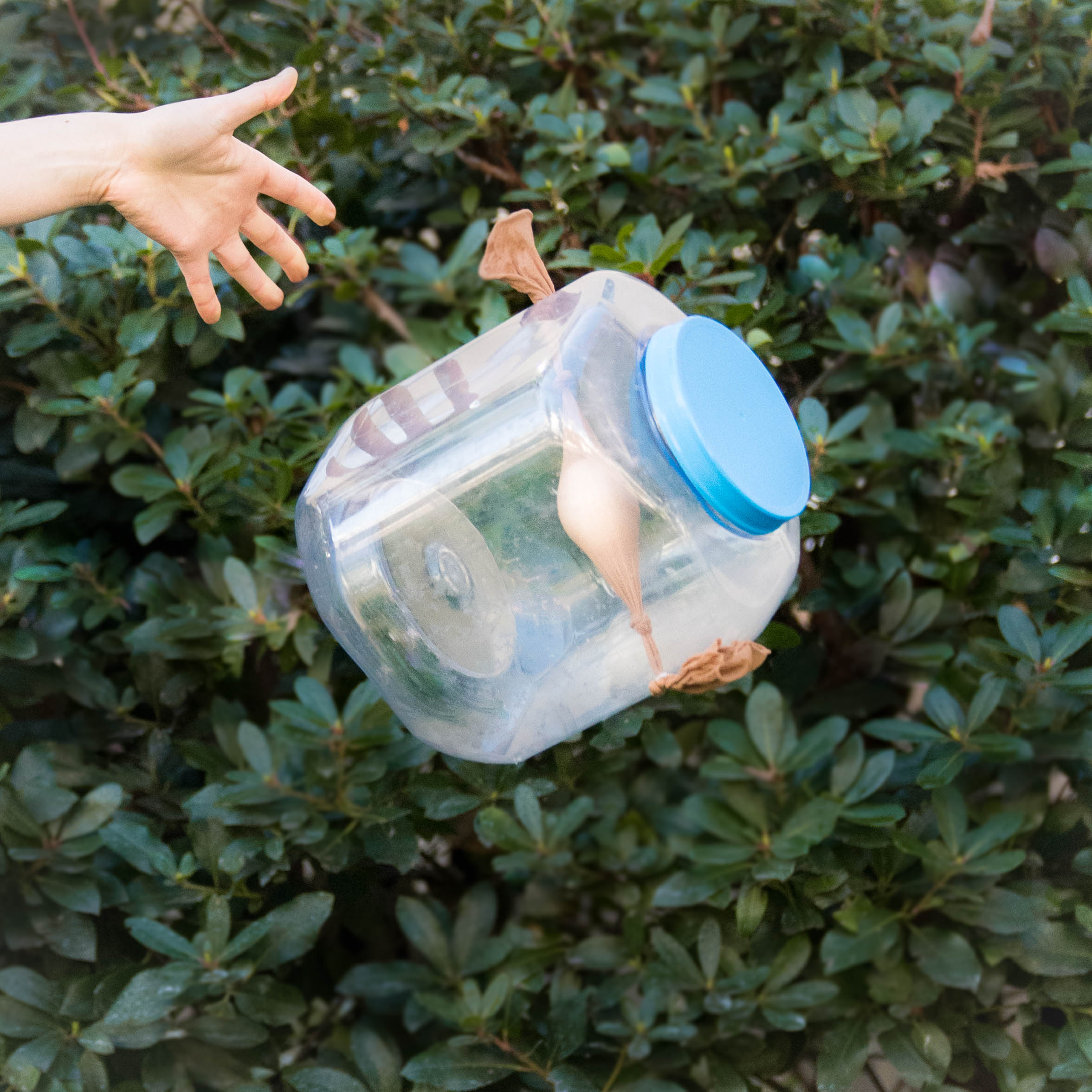
How can you get an egg to drop without breaking it? Change the way it drops with this awesome egg drop experiment!
An egg drop experiment is the perfect way to tap into your creativity and solve problems through a cool (and messy) project! Think outside the box and engineer awesome solutions to keep your egg safe and sound. If your egg doesn't crack, then your design is a success!
Discover everything that eggs have to offer with Eggsperiments from the KiwiCo Store! Use the scientific method with a series of egg-based experiments that explore chemistry, physics, and biology.
 Plant Light Maze
(Ages 9-16)
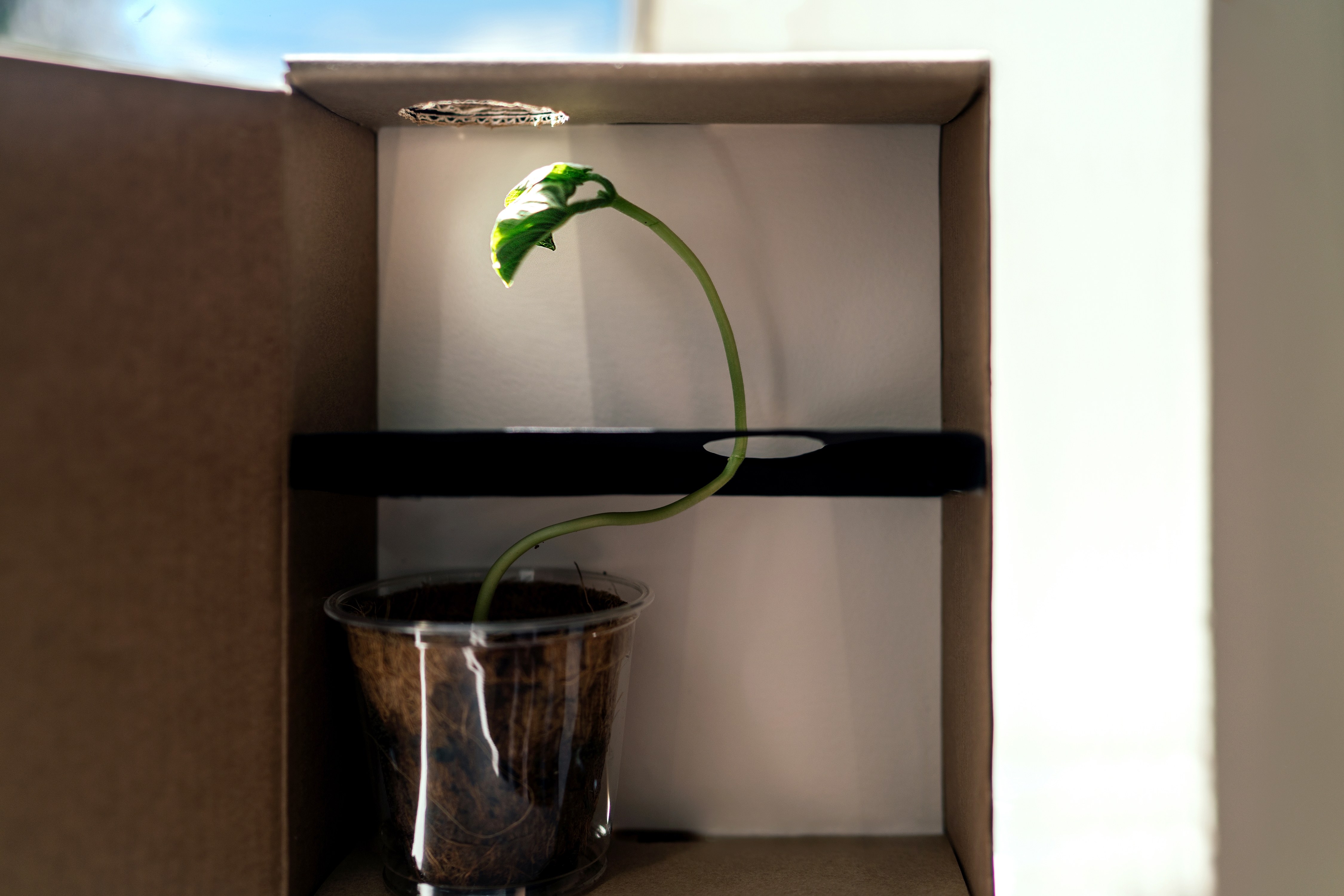
Have you ever noticed how plants grow toward the light? Build this simple light maze, and watch the plant grow around the obstacles to reach the light! Try experimenting with different mazes and see how the plant reacts. Can your plant complete its maze?
Explore more ways to harness the power of the sun with a Solar Crayon Recycler from the KiwiCo Store. Make your own crayon recycler, transform crayon pieces into custom rainbow crayons, and more!
10 Back-to-School Science Experiments for Kids Ages 9-12
Make sprinkles dance on a sheet of stretched plastic wrap, plate a quarter with copper until it passes for a penny, build a working lung model out of a bottle and two balloons. Every project here connects to something kids ages 9 to 12 are covering this fall, so the science lands once at the kitchen table and again in class. Most activities run on what you already have. Three will need supplies ordered ahead, and two keep going for days after you set them up.