Extract Pumpkin DNA (Ages 5-12)
Dish soap dissolves the membranes around pumpkin cells and lets the DNA loose. Salt helps the strands cling to each other, and cold alcohol brings them out of solution as a cloudy white layer your kids can lift with a skewer. Scientists run this same sequence in a lab, with better equipment and worse snacks. A grownup should do the chopping.
If your kid is ready for lab-grade projects, Tinker Crate sends a science and engineering build each month for ages 9 to 12.

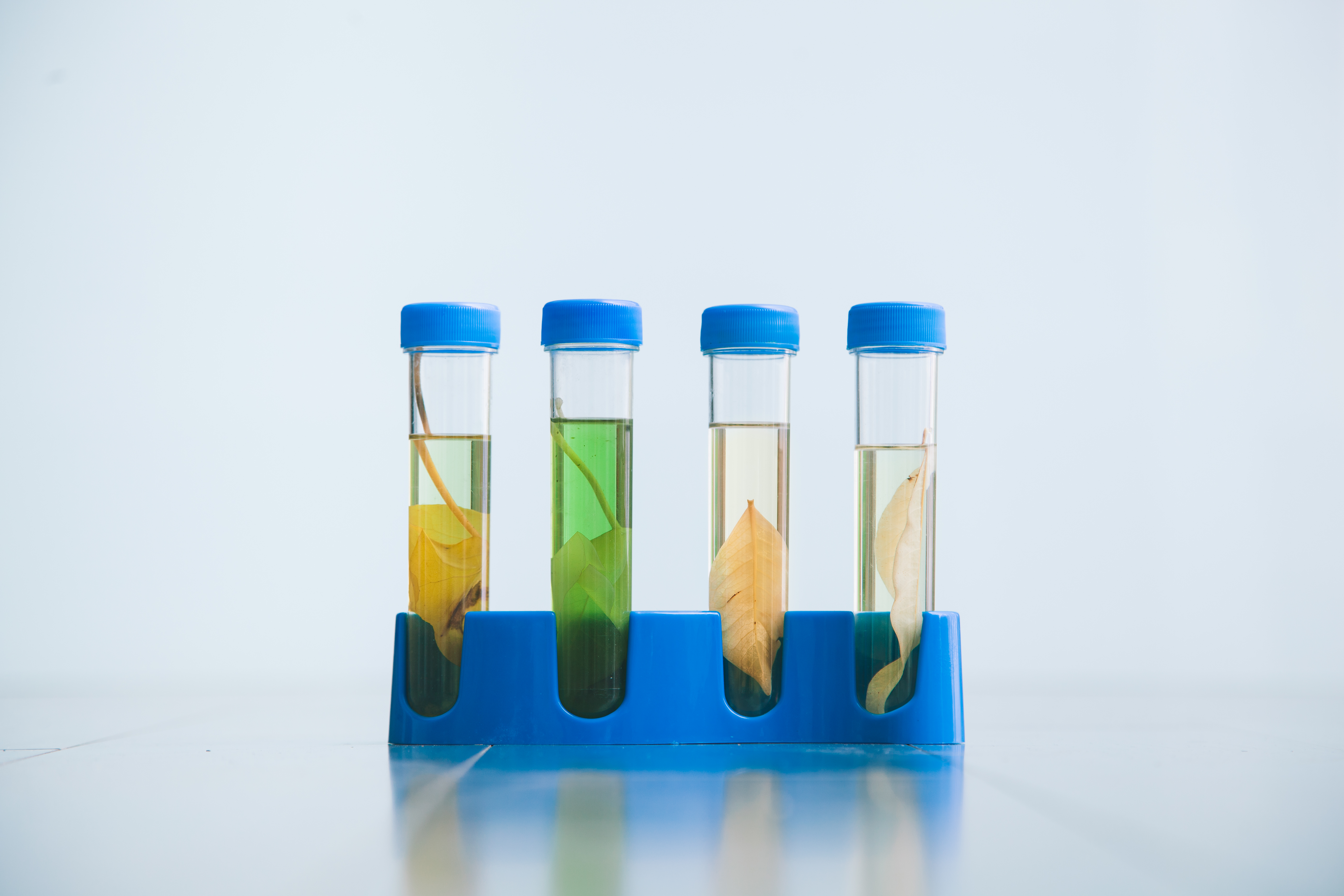 Leaf Color Experiment
(Ages 3-6)
With fall around the corner, we've been seeing the leaves in our neighborhood slowly start to change. My kids have had so much fun discovering the new pops of color in our yard. This is absolutely one of our favorite fall science experiments! Simple and quick, this experiment teaches kids about color in leaves. If you are a parent of curious kids, be sure to give this experiment a try!
DIY Sun Paintings (Ages 5-12)
Take a walk and collect a handful of leaves. Back inside, paint a sheet of paper with turmeric, lay the leaves on top, and set the whole thing in the sun. Curcumin, the compound behind turmeric's color, breaks down where the light reaches it, so the covered shapes stay bright while the background fades. Turmeric stains everything it touches, so put down newspaper and dress your kids in clothes you've already given up on.
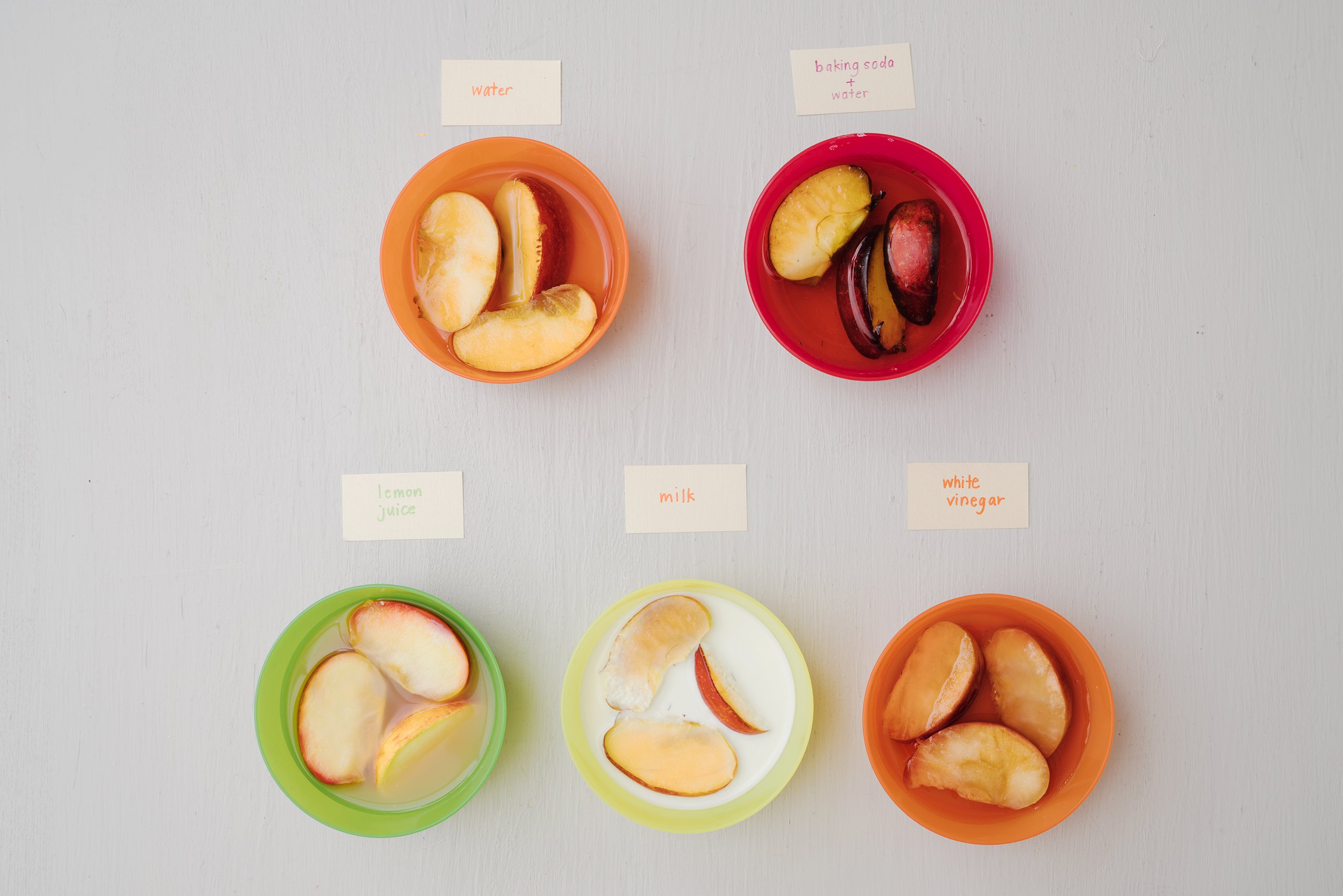 Apple Experiment
(Ages 5-11)
Fall is coming, which means apple season is right around the corner. We love eating apple slices as a healthy snack. Try out this apple experiment with some basic kitchen goods to see how you can keep your slices from browning!
Want to explore more kitchen science experiments? Explore the tastier side of learning with Science of Cooking: Bread & Butter from the KiwiCo Store!
PSL Sensory Dough (Ages 3-10)
Stir equal parts canned pumpkin puree and cornstarch until the mixture holds together. A teaspoon of pumpkin spice turns the whole kitchen into the first cool morning of the year. It's sticky and orange and worth doing on a mess mat. Toss it when you're finished, since the pumpkin will spoil.
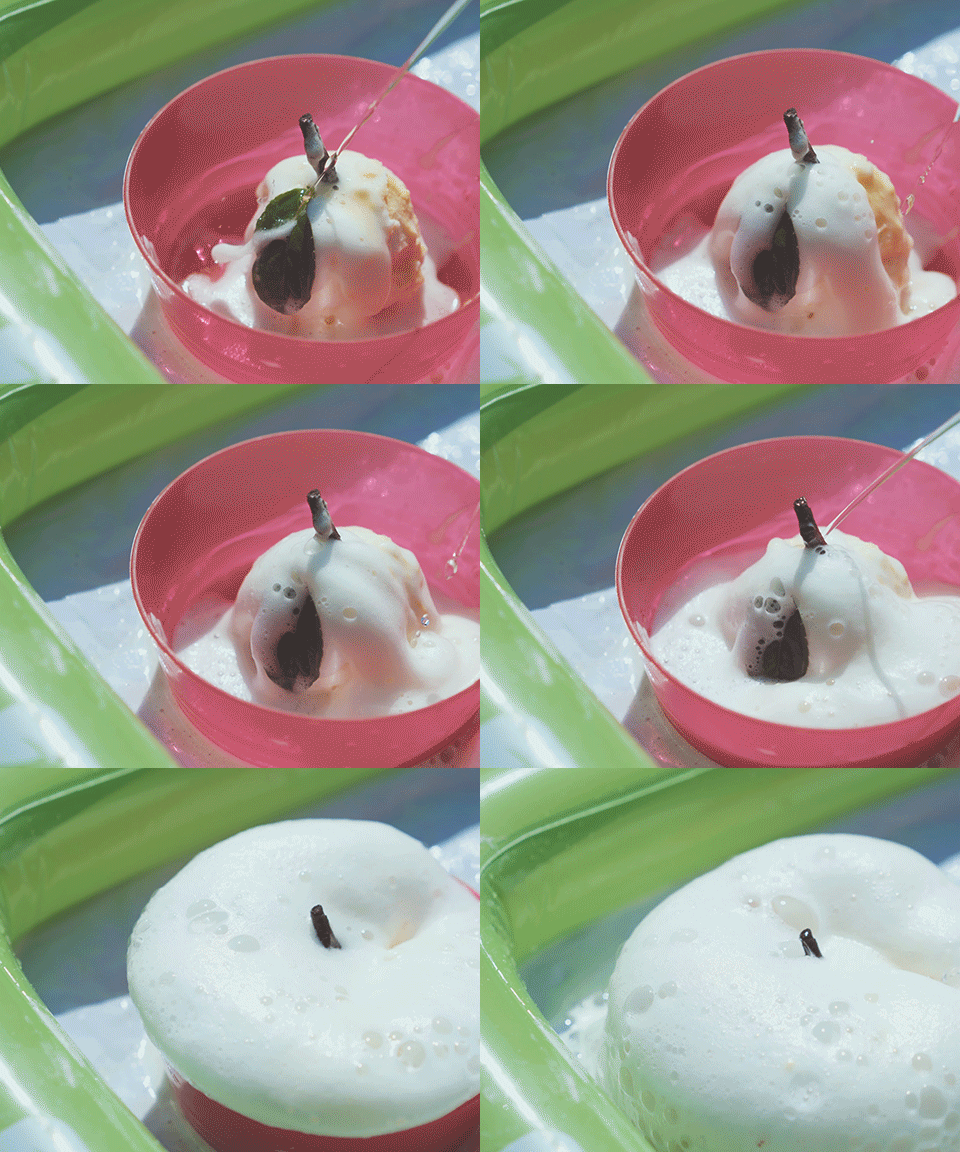
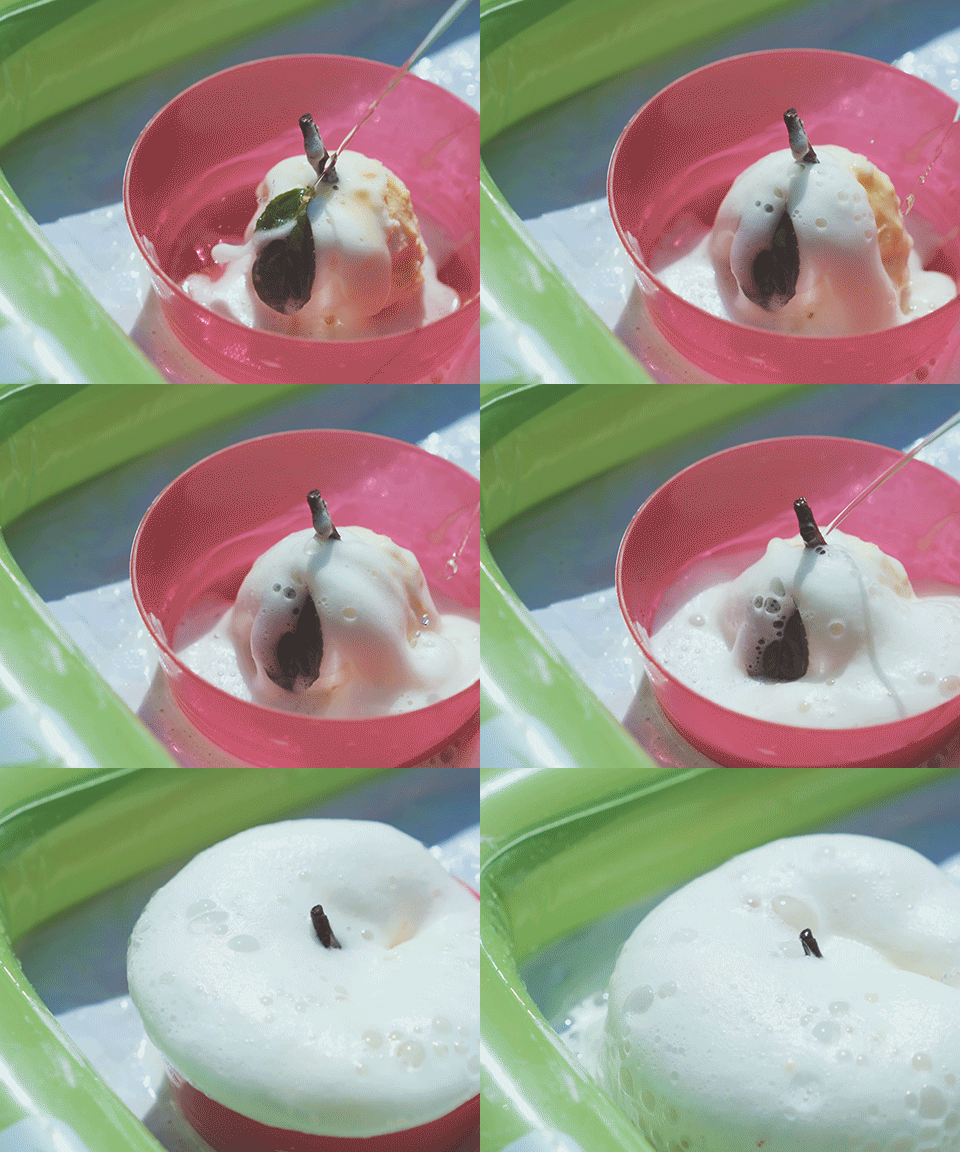 Erupting Apples
(Ages 3-8)
When you have three little curious boys running around your house and a free afternoon, why not get a little messy and do some kitchen science? We did ours in the backyard and let the whole thing become a super sensory experience. When they inevitably try and find the remains of their apple in the mound of foam, be sure to ask them what it feels like.
Want to explore more kitchen science experiments? Explore the tastier side of learning with Science of Cooking: Bread & Butter from the KiwiCo Store!
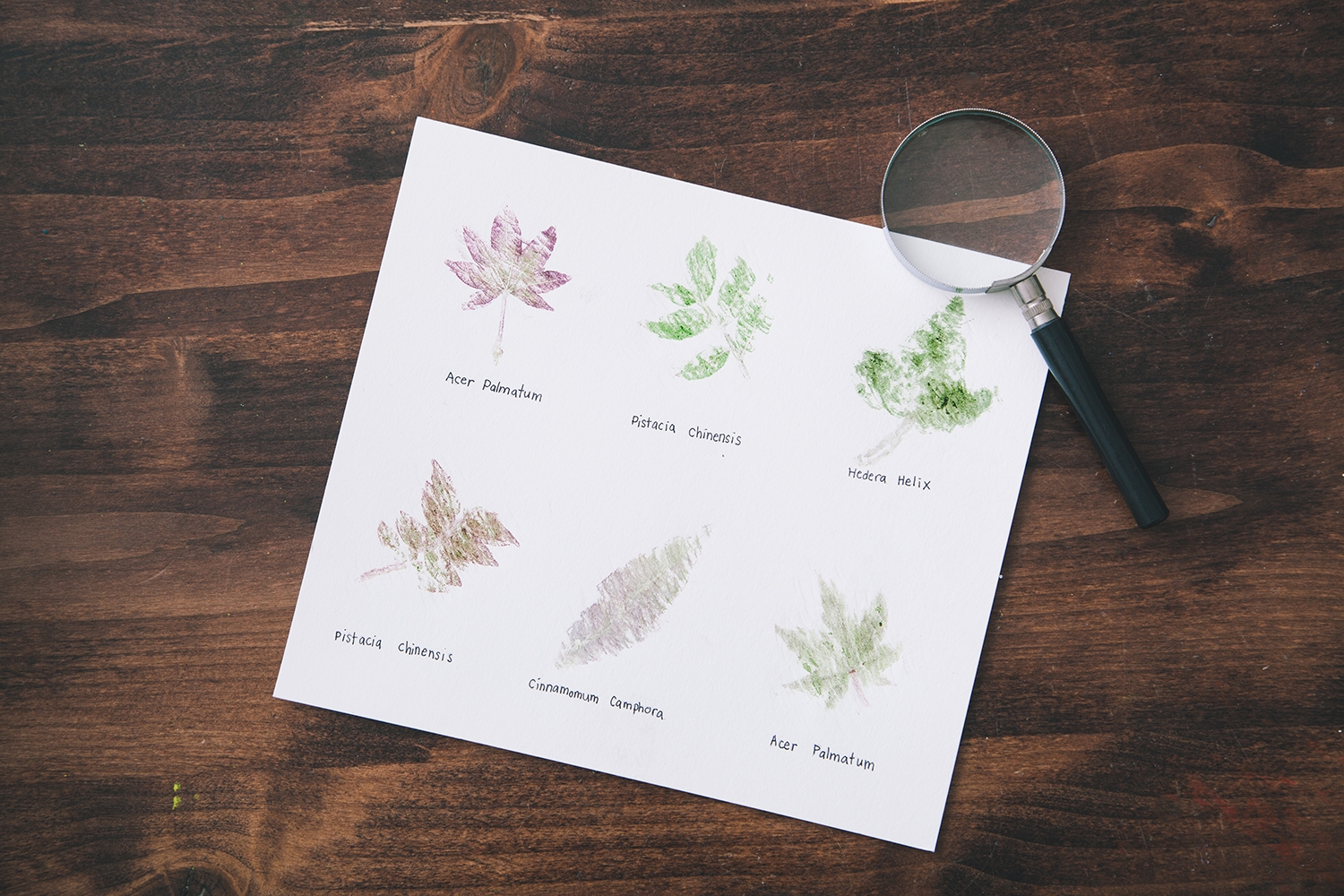 Hammered Leaves
(Ages 5-16)
Fall comes and goes, just like the color of autumn leaves. These leaves don't last very long, but you can preserve them by transferring the colors onto paper. The finished piece works well as a poster, perfect for enjoying the fall colors year round!
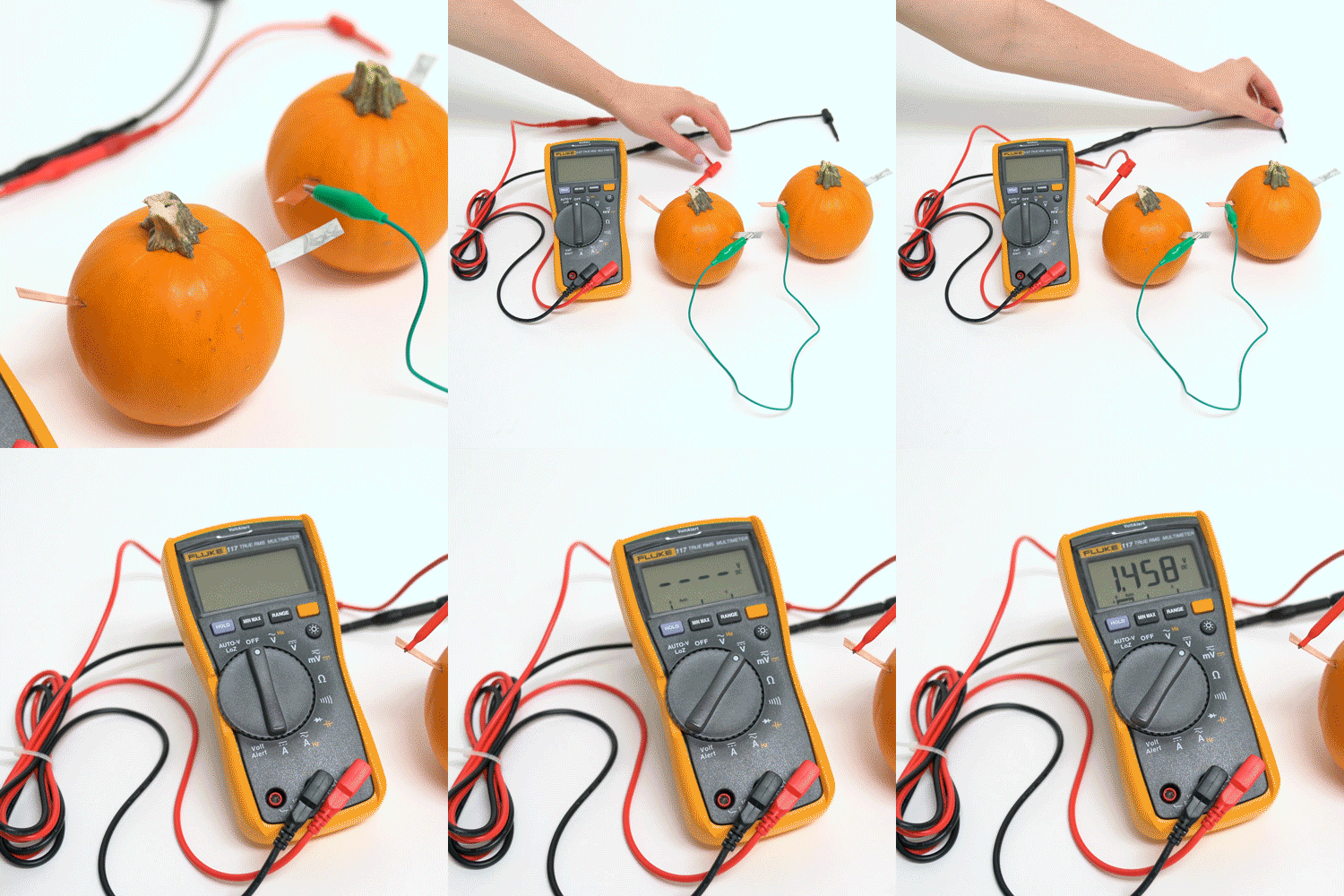 Pumpkin Battery
(Ages 5-16)
Harness the power of pumpkins with a pumpkin battery and see how many volts it can produce!
This project is pretty similar to another DIY we’ve featured, the Lemon Battery. Just like with the lemon, pumpkins have acidic juices inside that help transport electrical energy. Lemons are more acidic, so that’s why they’re the normal go-to for building batteries. For fall time, here’s how to do the same thing with pumpkins!
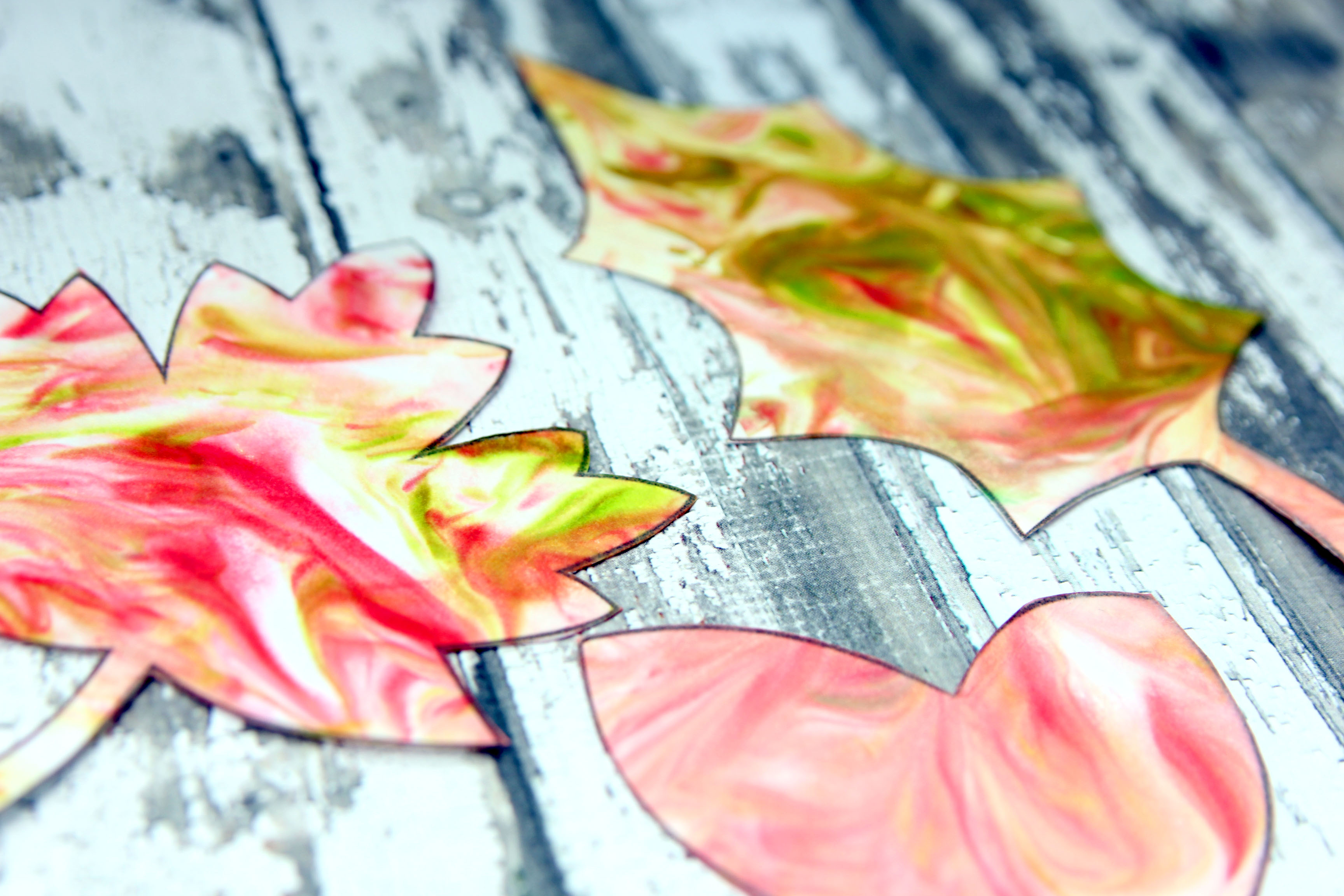 Marbled Fall Leaves
(Ages 3-11)
This fun activity features a technique using shaving cream and food coloring to create a marbled effect on some pretty paper leaves for fall. It also leaves the paper smelling nice, too!
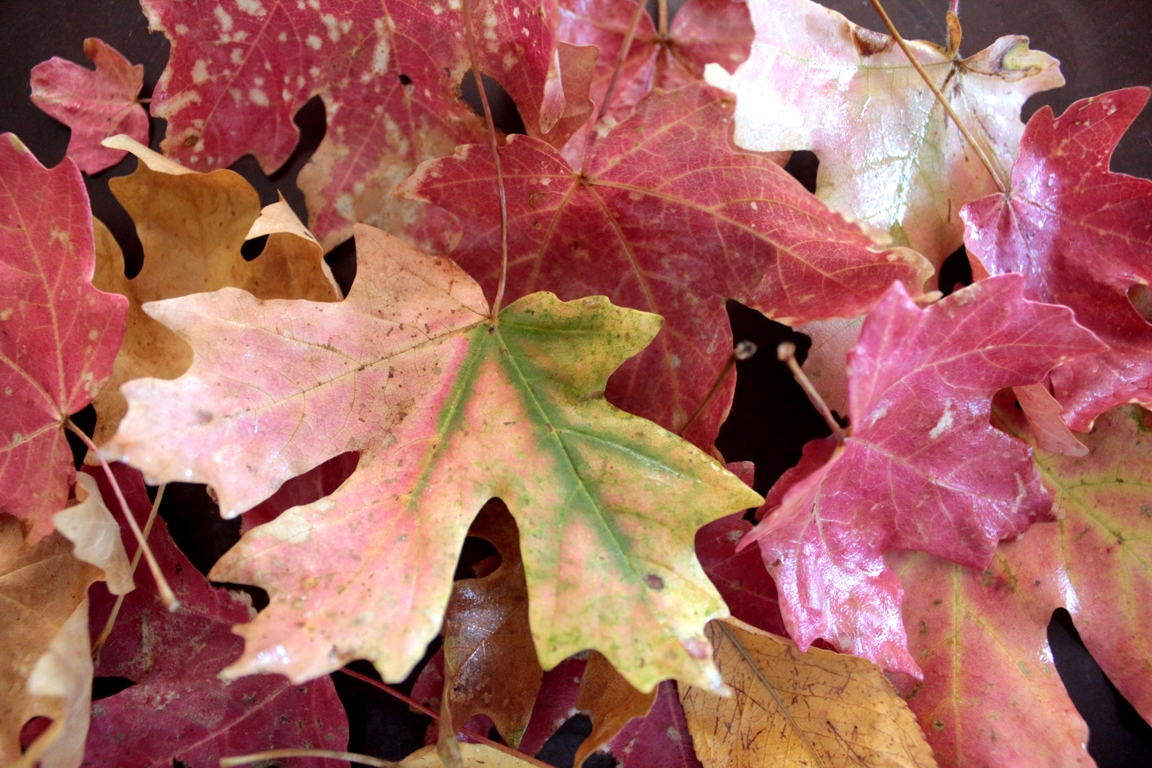 Glycerin Leaves
(Ages 5-11)
I'm not certain what it is about Autumn that enchants us so... I think it has something to do with its essence of simplicity--going for slow walks at leisure, the thrill of finding wooly-bear caterpillars and picking acorns.... and certainly the fun of collecting a beautiful assortment of richly hued leaves. Here's an easy way to preserve your leaves for a long, long time.
10 Fall Science Experiments to Welcome the Autumnal Equinox
On Tuesday, September 22, the autumnal equinox arrives, which means the sun crosses the celestial equator and the Northern Hemisphere tips into fall. Days and nights land close to even, and from there the darkness keeps stretching. As the U.S. Forest Service explains, growing night length slows chlorophyll production in leaves, and the yellows and oranges that sat under the green all summer come into view. Leaves are just the start. These 10 experiments put the season's science in your kids' hands, and almost everything you need is already in your kitchen or out on the ground.