
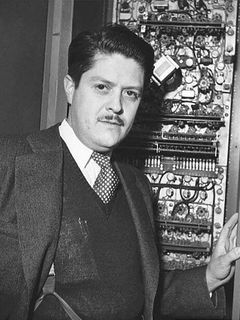
Guillermo González Camarena
Camarena patented an early field-sequential color television system in Mexico in 1940, at age 23. His chromoscopic adapter spun a motor-driven disc of red, green, and blue filters in front of the camera, capturing each color as a separate image, and a synchronized disc at the receiver put the color picture back together.Newton Disc Color Wheel (Ages 5-12)
Color a paper circle in wedges of red, green, and blue, push a pencil through the center, and spin it fast. The colors stop looking like colors and settle into a pale gray. Slow it down and they come right back.
Camarena's adapter used transparent filters rather than a reflective disc, so the two devices work on different halves of the same puzzle. Both depend on one fact about your eyes: show them colors quickly enough and they stop seeing them separately.
Make a Zoetrope at Home (Ages 5-8)
Thirteen slits cut into a cardboard drum, thirteen slightly different drawings inside, and a spin. Look through the slits and the still pictures walk.
The effect has a name, persistence of vision, and your visual system does the work by blending rapidly presented images into motion. A zoetrope uses that to make things move. Camarena used it to make things colorful. Assemble yours with tape or hot glue, and let a grownup run the glue gun.

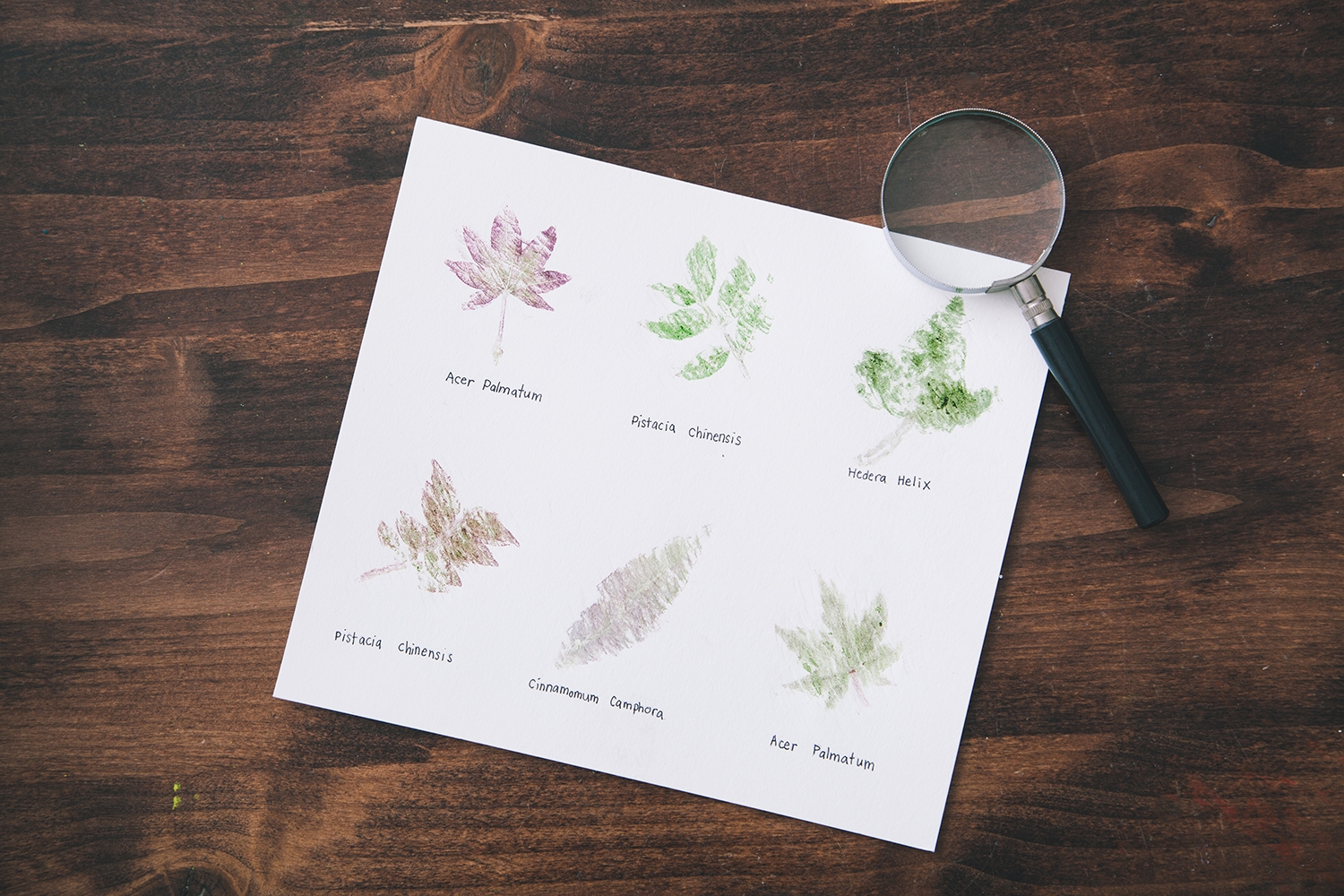 Hammered Leaves
(Ages 5-16)
Fall comes and goes, just like the color of autumn leaves. These leaves don't last very long, but you can preserve them by transferring the colors onto paper. The finished piece works well as a poster, perfect for enjoying the fall colors year round!
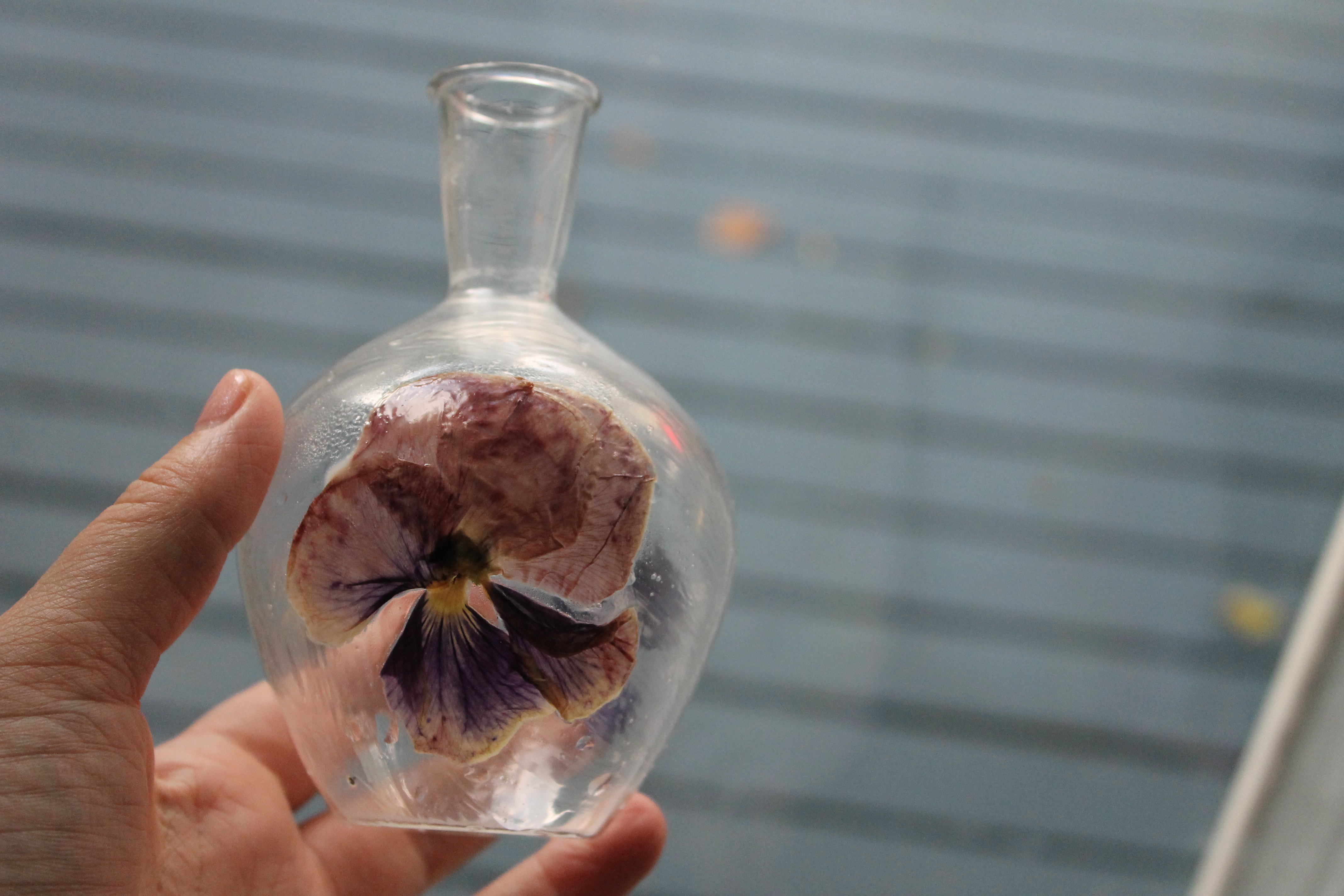 Pressed Flower Vases
(Ages 3-11)
We have been collecting and pressing flowers so we decided to use them to make a pretty flower vase!
.jpg)
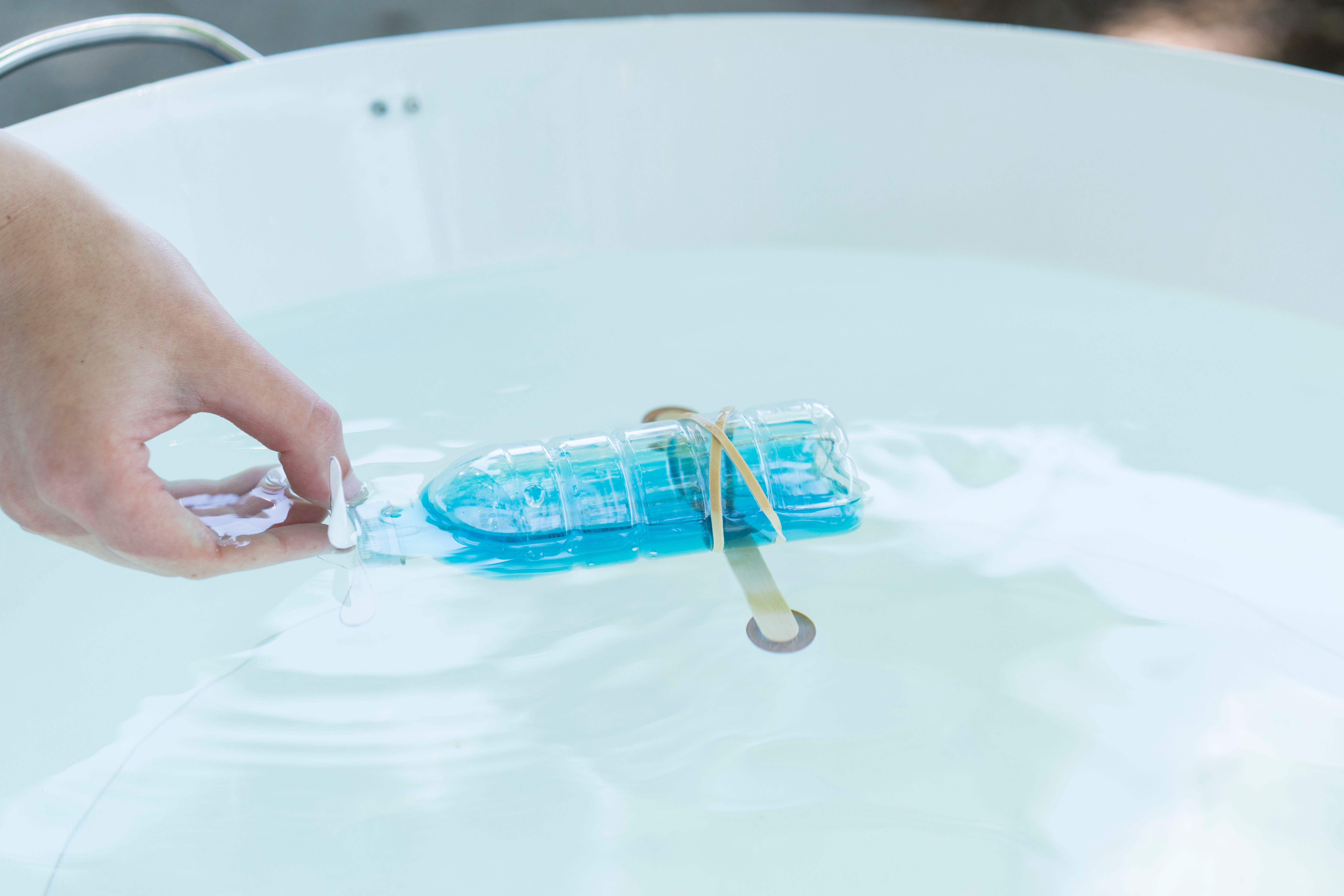 Submarine
(Ages 9-16)
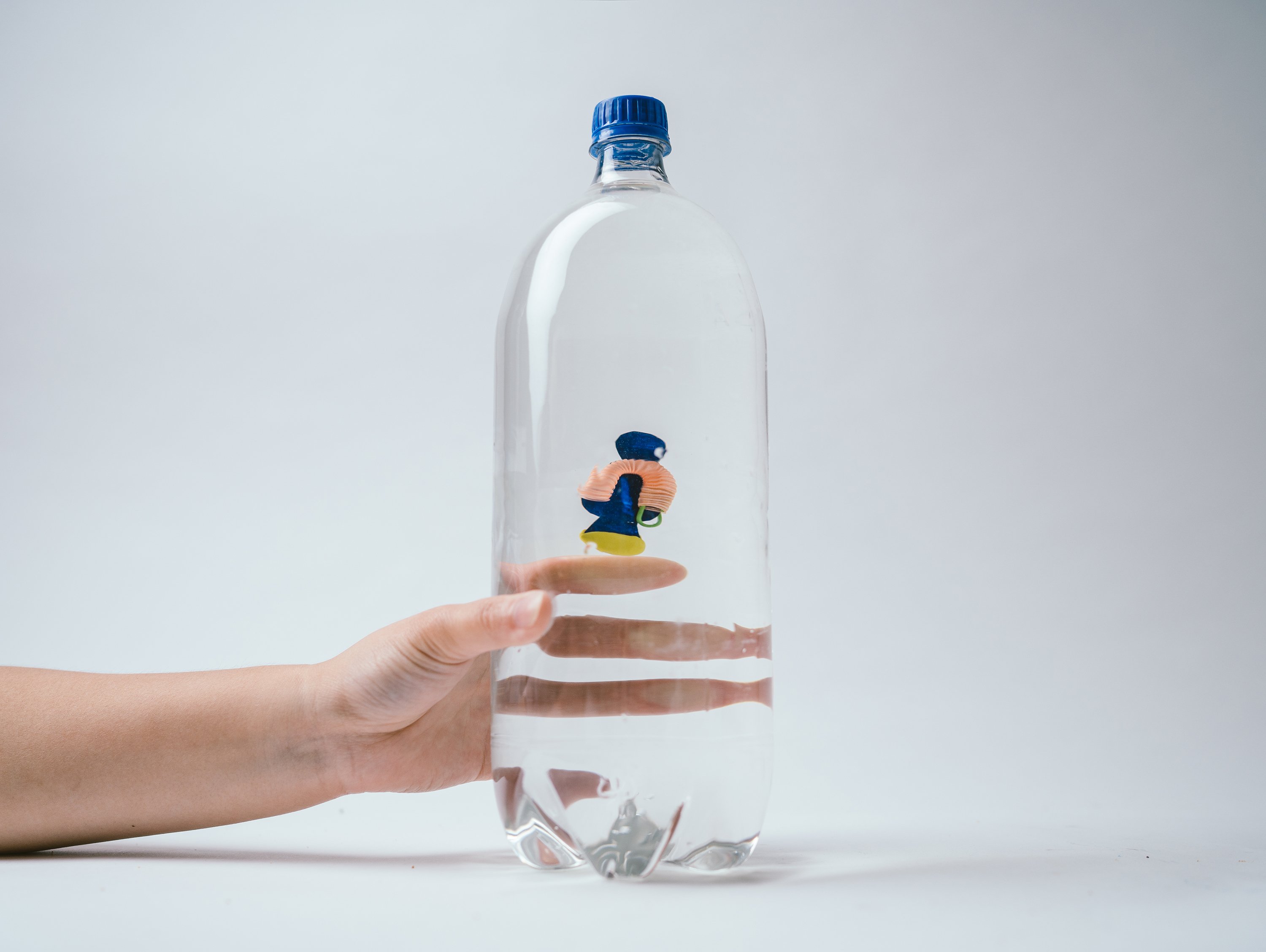
Make and play with a plastic bottle submarine!
Learn more about water and the amazing creatures that live under the sea with the Marine Biologist Starter Kit from the KiwiCo Store!
 Cartesian Diver
(Ages 5-11)
Explore the science behind density and pressure with this DIY bottle diver!
Expand your oceanic adventure with KiwiCo's Marine Biologist Starter Kit! This kit includes everything needed to create a color-changing reef, build ocean animals, and more!

Mario Molina
Molina shared the 1995 Nobel Prize in Chemistry for showing that CFCs drift up into the stratosphere, where ultraviolet light breaks them apart and releases chlorine that destroys ozone. Ozone soaks up ultraviolet light before it reaches the ground, which is why a hole in it mattered enough to change international law.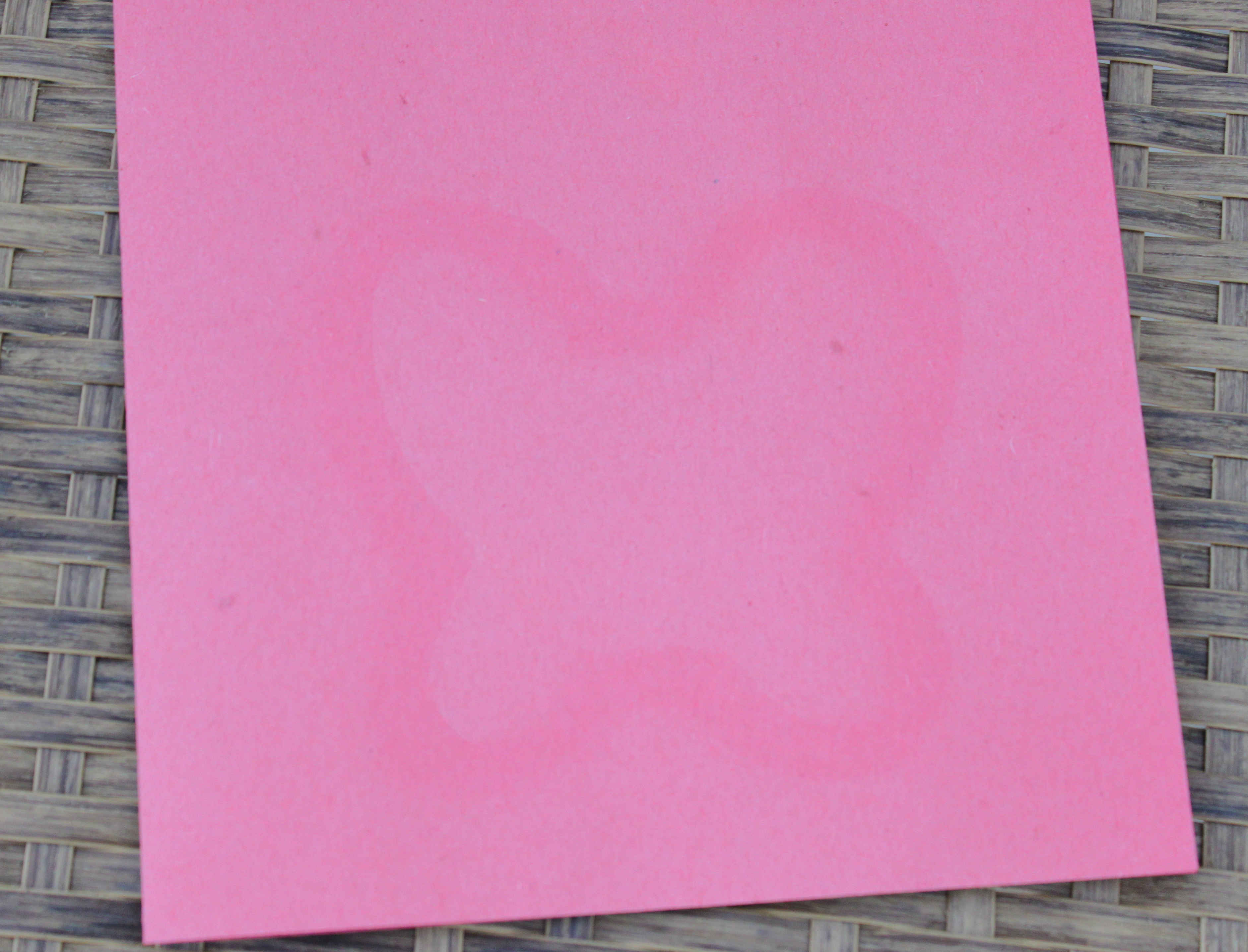 Sun Prints
(Ages 3-8)
Experiment with the sun and create beautiful art with this sun print activity.
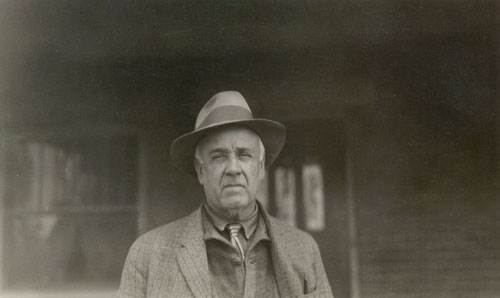
Olga D. González-Sanabria
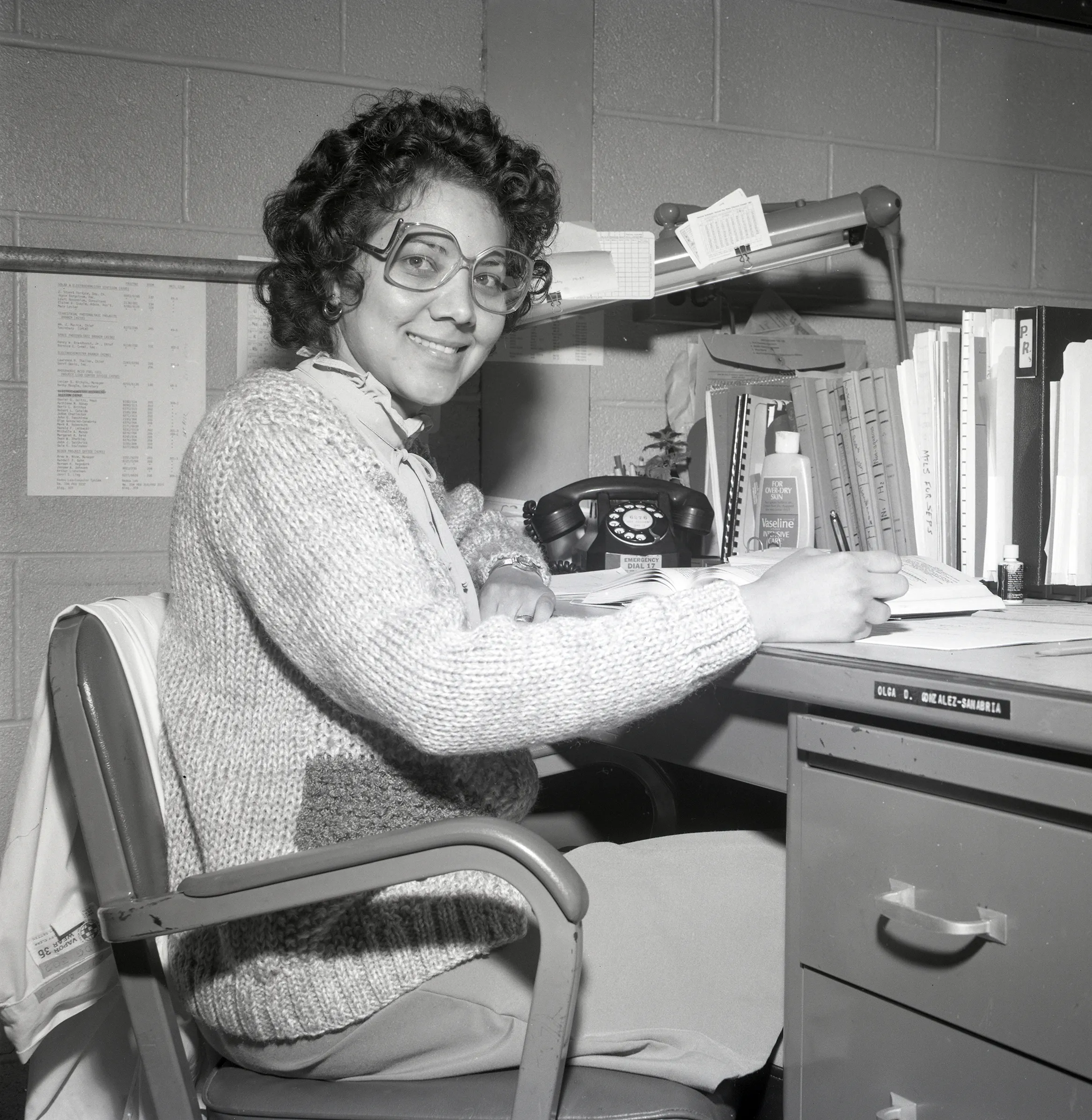
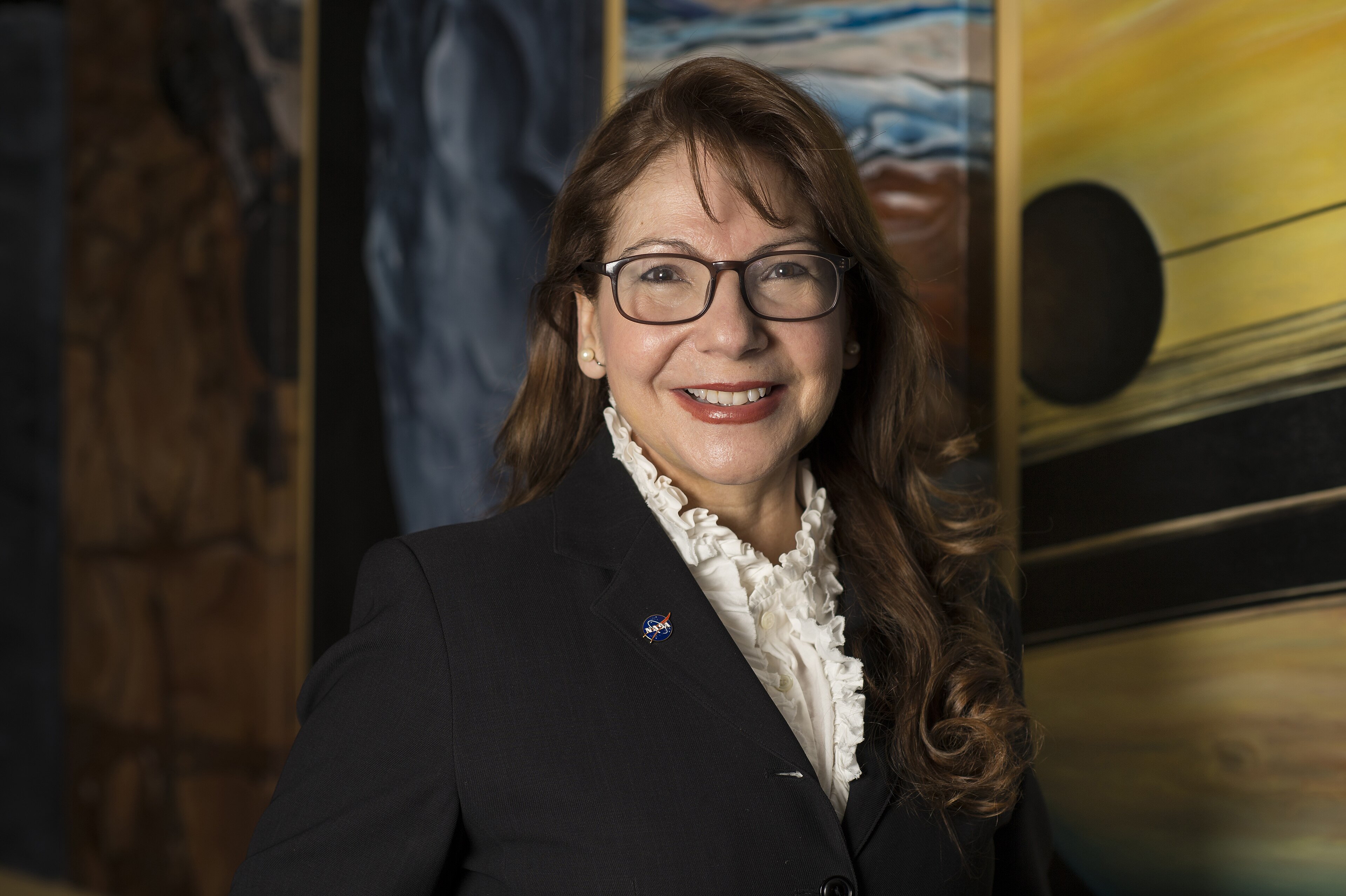
González-Sanabria grew up in Patillas, Puerto Rico, and spent three decades at NASA's Glenn Research Center working on nickel-hydrogen battery technology, specializing in the separators that sit between a battery's two halves. In 1995 she became the center's first Latina in the senior executive service, and she later became its Director of Engineering. That technology powered the International Space Station for more than 18 years before lithium-ion took over.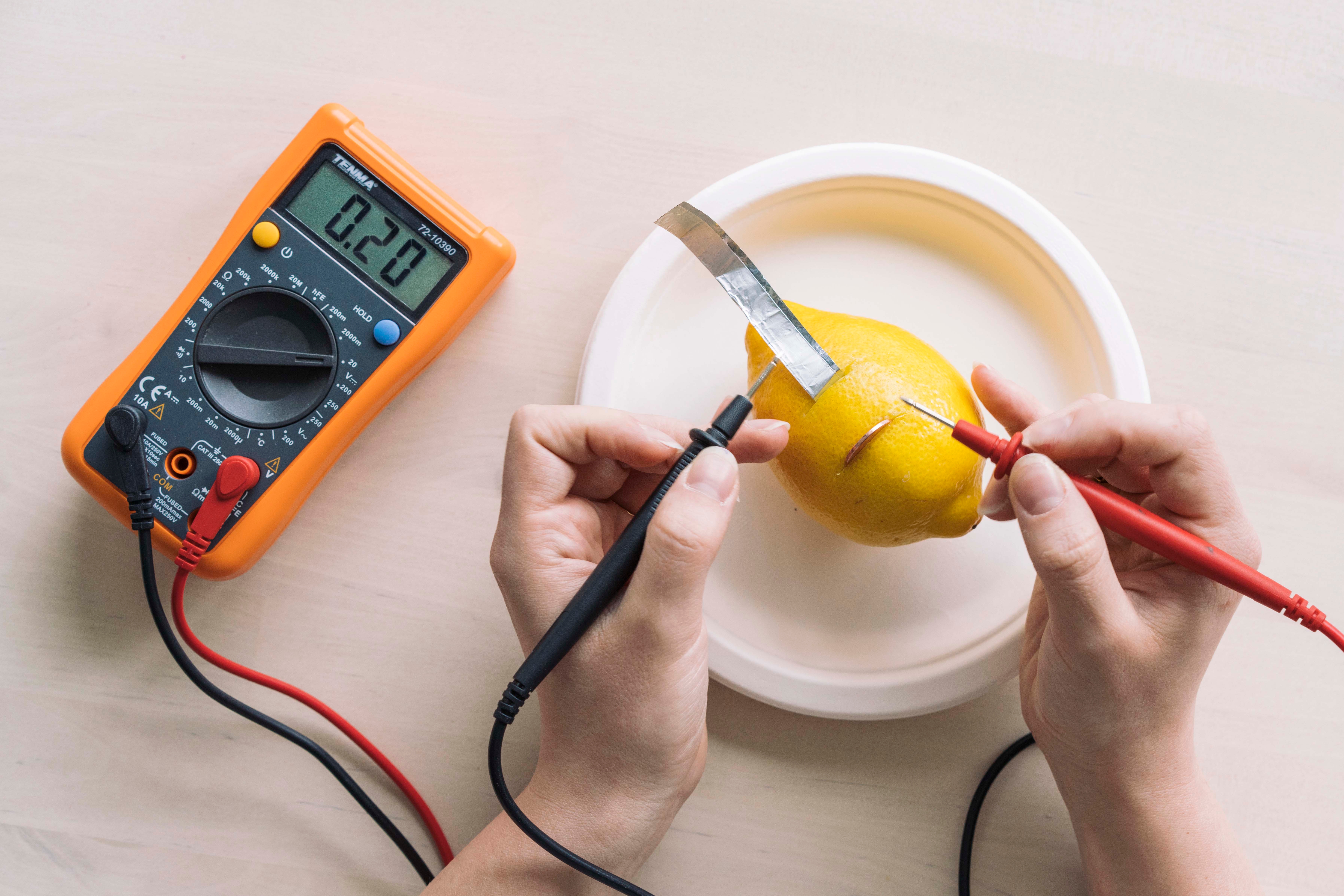 Lemon Battery
(Ages 5-11)
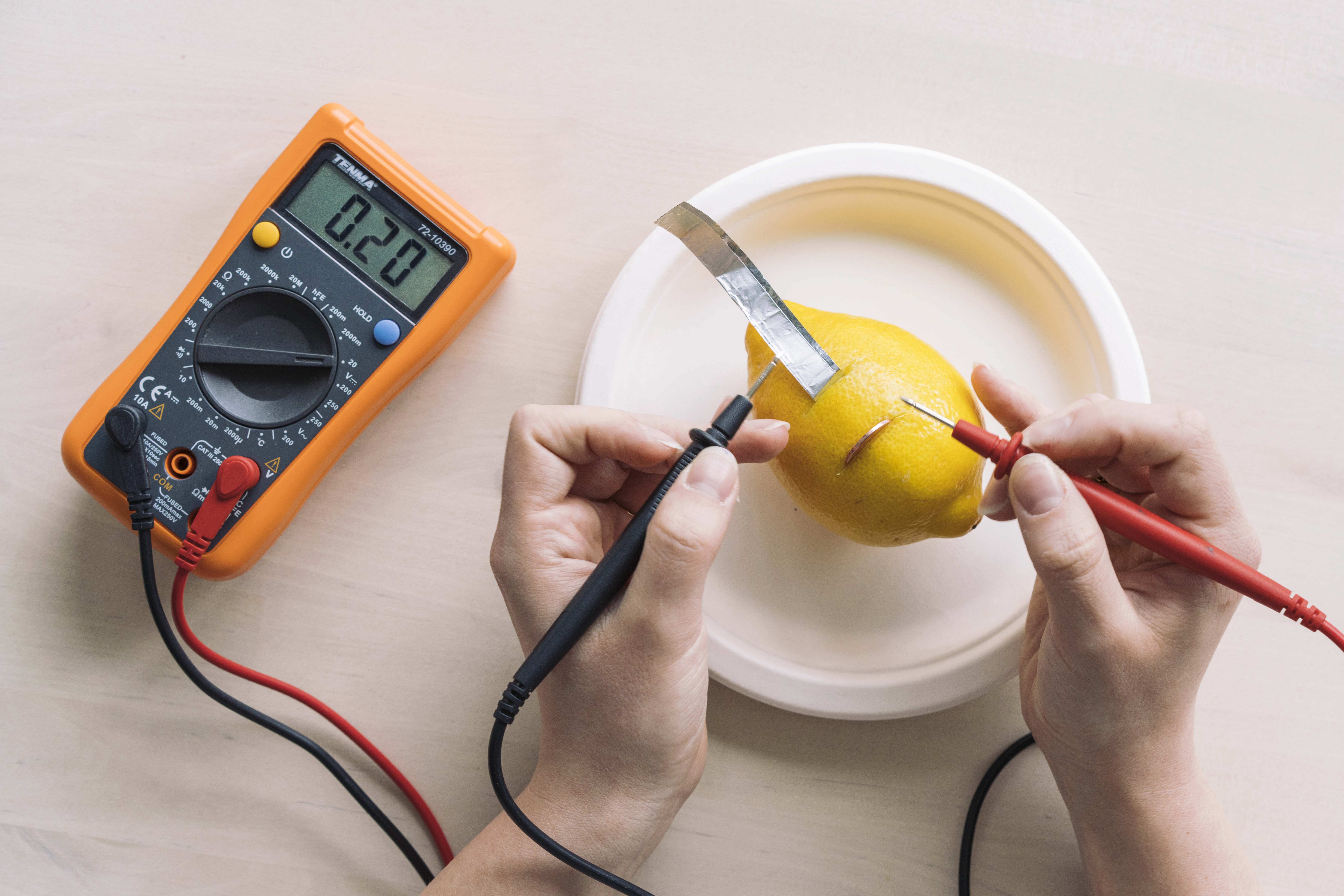
The potato battery is a classic but did you know that you can also make a battery out of a penny and lemon? In fact, there are a bunch of household items that can be made into batteries! In this project, we test a penny and lemon to see how many volts it can produce!
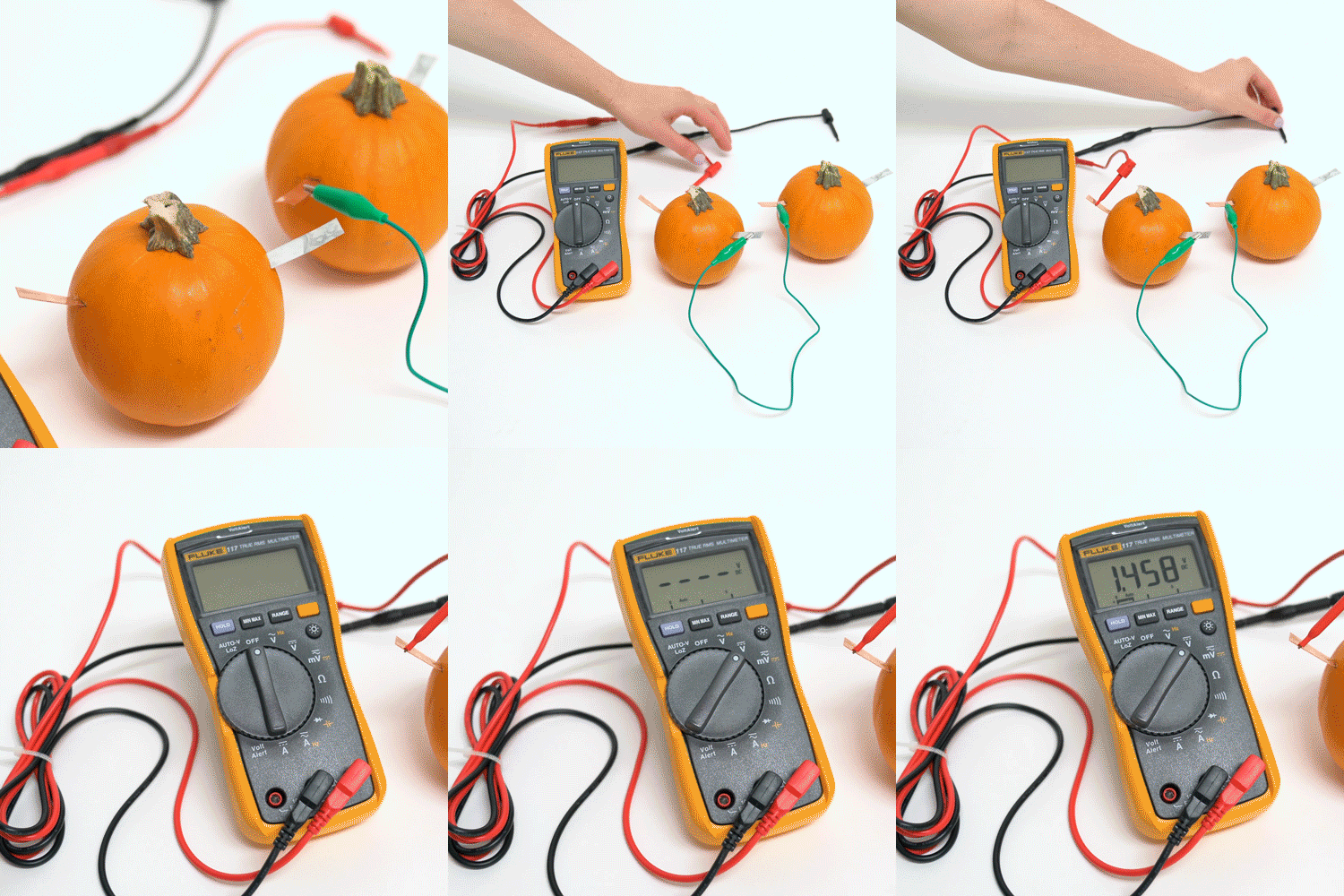 Pumpkin Battery
(Ages 5-16)
Harness the power of pumpkins with a pumpkin battery and see how many volts it can produce!
This project is pretty similar to another DIY we’ve featured, the Lemon Battery. Just like with the lemon, pumpkins have acidic juices inside that help transport electrical energy. Lemons are more acidic, so that’s why they’re the normal go-to for building batteries. For fall time, here’s how to do the same thing with pumpkins!
Make a Folding-Wing Glider (Ages 6-12)
A couple of carefully placed folds transforms an ordinary sheet of paper into a dynamic flying machine. Just as Ochoa took inspiration from the flapping wings of a bird to create his Ochoaplane, this miniature craft mimics flapping flight through a clever aerodynamic design.
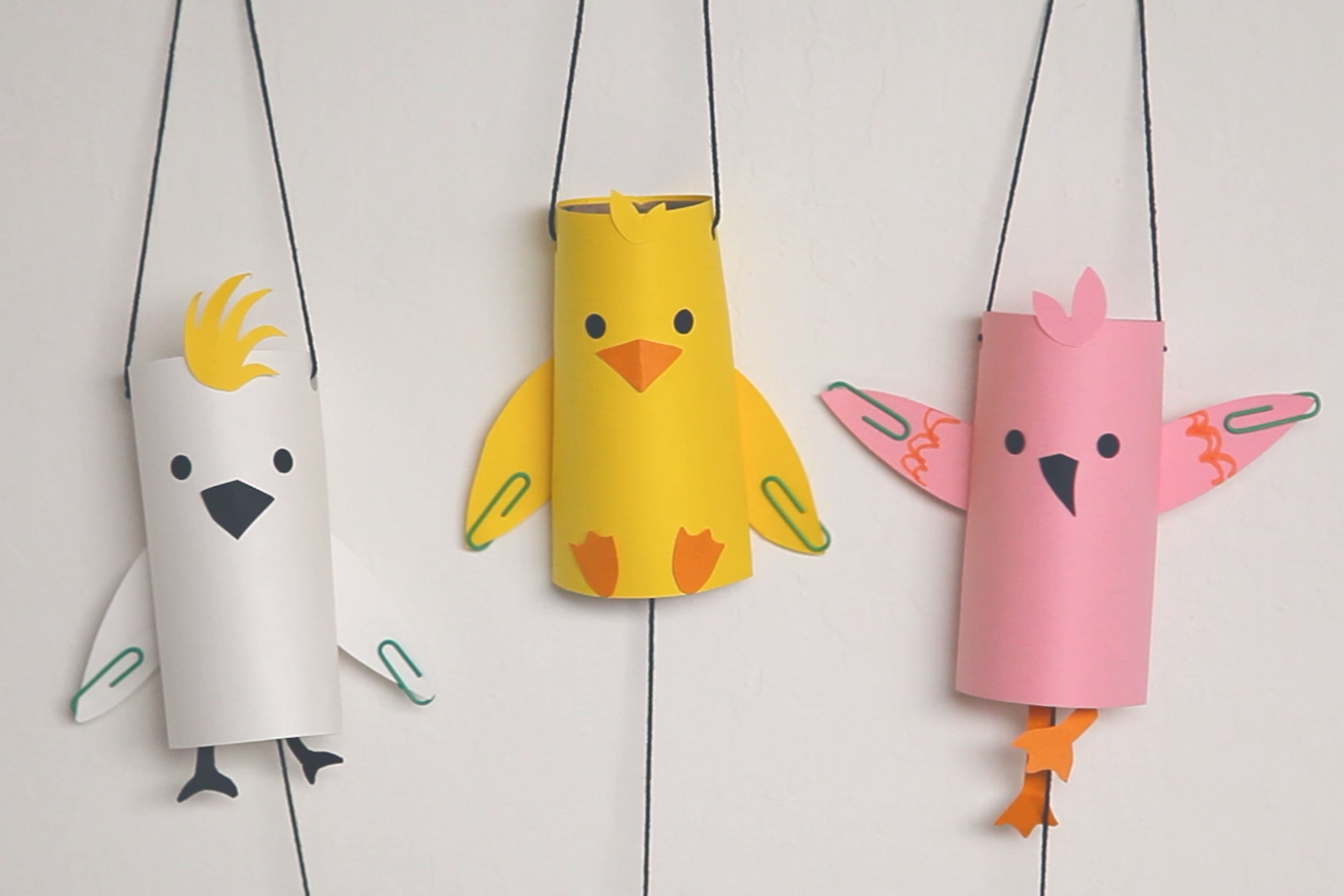 Flying Bird Toy
(Ages 5-16)
By building simple levers out of paper, brads, and paper clips, you can create a whole flock of mechanical flapping birds!
.jpg)
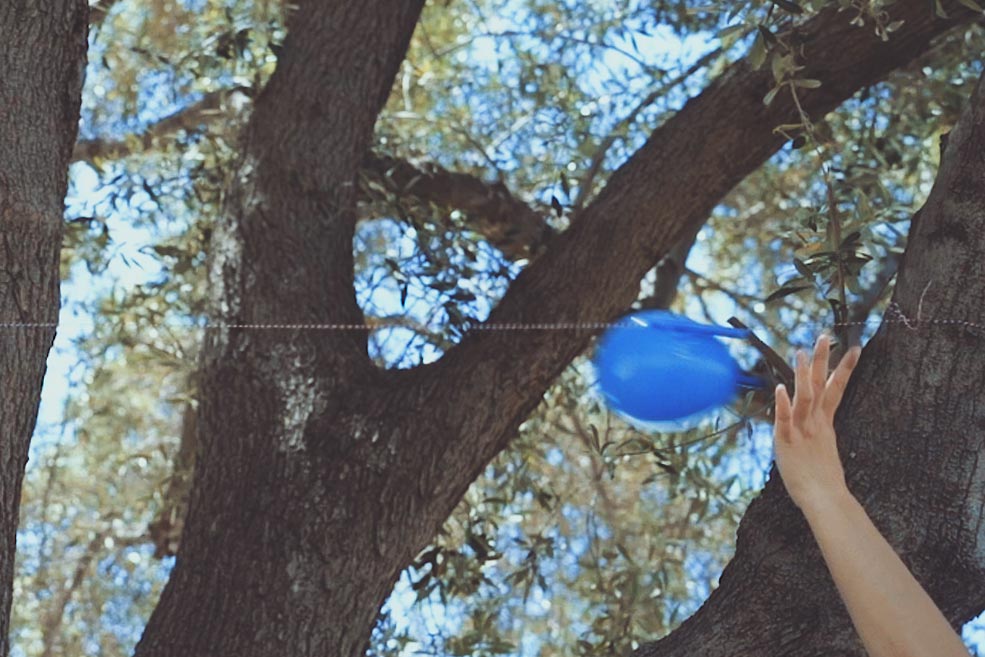 Balloon Rocket
(Ages 5-16)
Create your very own balloon powered rockets and see how far they can travel.
Experiment with different balloon shapes and sizes to experiment with the travel speed.
 Pressure Bottle Rocket
(Ages 9-16)
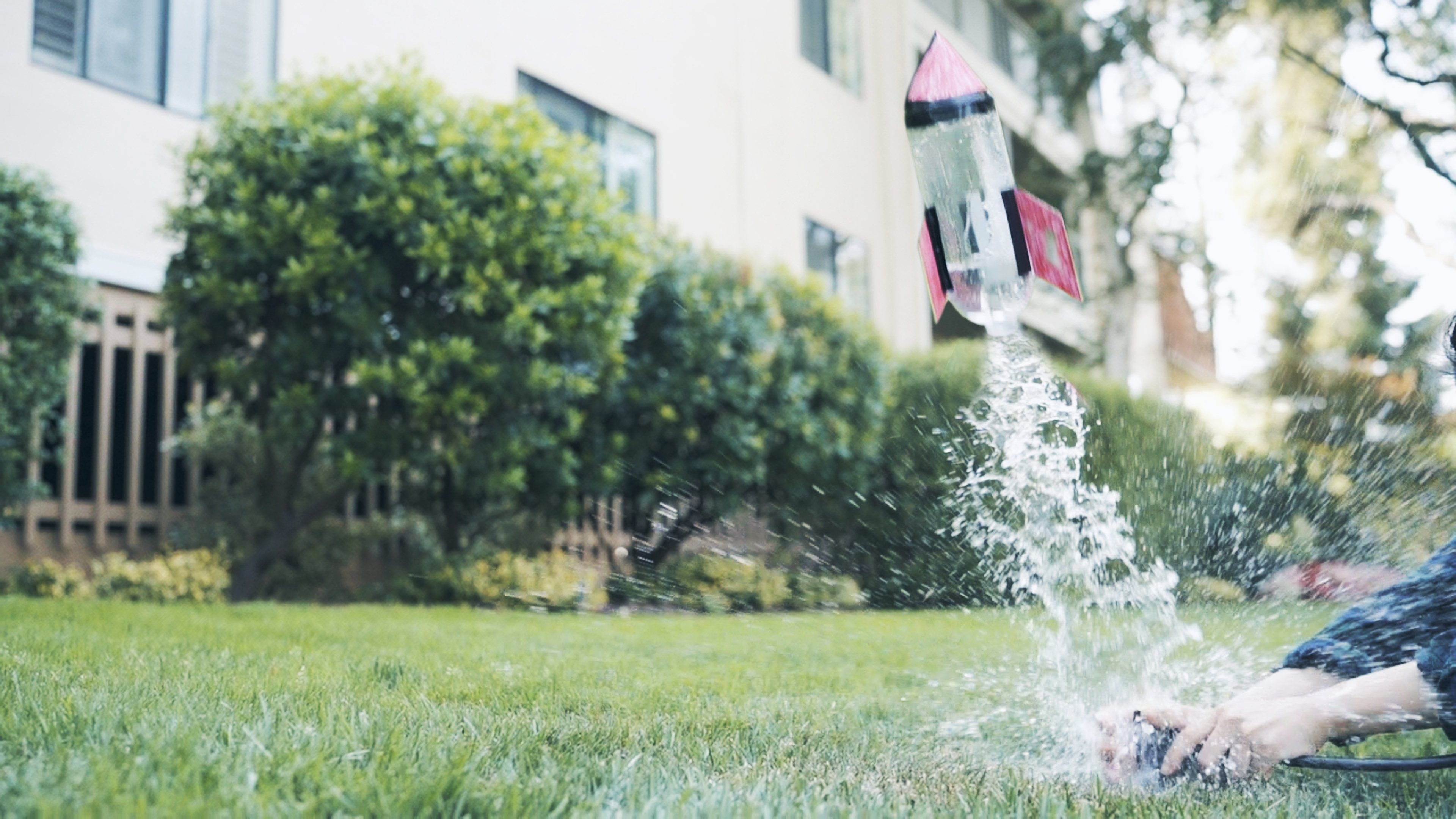
Water squirters work by pressurizing reservoirs of water with air. As you pump the squirter, it gradually adds air to the reservoir, increasing the pressure. When you pull the trigger, the pressure is allowed to release and a stream of water shoots out!
In this DIY project, we'll learn how to use the exact sample principles found in water squirters to launch a water rocket sky-high! Follow along with these simple steps and you'll be blasting off in no time.
Want to make a bottle rocket without the hassle of gathering materials? Blast off with a Bottle Rocket Blaster crate from the KiwiCo Store! It includes a step-by-step video tutorial link, illustrated instructions, and all the materials you'll need!
Adriana Ocampo
Ocampo was born in Barranquilla, Colombia. Scientists had suspected since 1980 that an asteroid struck Earth 66 million years ago and wiped out the dinosaurs, but nobody could find the crater. Studying satellite images of Mexico's Yucatán Peninsula, Ocampo and her colleagues recognized that a curving ring of sinkholes, called cenotes, traced the outline of the buried Chicxulub impact crater.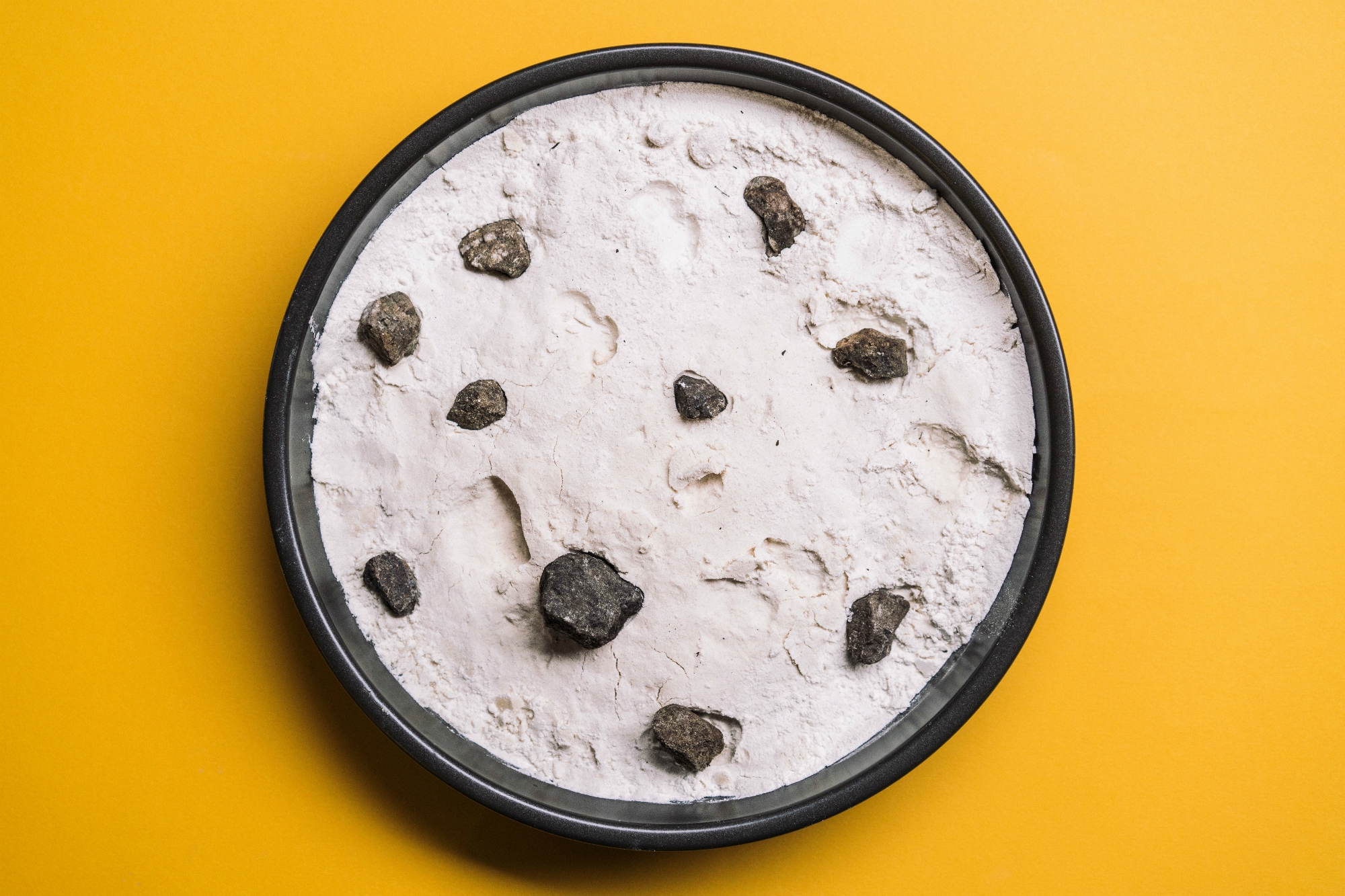 Moon Crater Experiment
(Ages 5-10)
When you look up at the moon at night, it often looks like there are some grey areas and some white areas on the surface. The grey areas are called craters. Have you ever wondered how the moon's craters are formed? If the answer is yes, then this experiment is just right for you. Make your own moon surface with flour and oil and then drop meteorites (small rocks and pebbles) from varying heights to create your own craters!
Kids curious about the world and the people in it can explore a new country each month with Atlas Crate, designed for ages 6 to 12.
None of these breakthroughs arrived fully formed. Each grew through observation, experimentation, redesign, and persistence. Pick the project that fits the afternoon you’ve got, tell your kids about the person whose work inspired it, and see what questions follow.
Which project is your kid starting with? Tell us in the comments, then come back and share what surprised them.
14 Hispanic Heritage Month Science Activities for Kids
Hispanic Heritage Month starts September 15, so let's get inspired by eight inventors and scientists who made history. These 14 projects let kids explore the ideas behind their work using cardstock, lemons, flour, and a few balloons.